

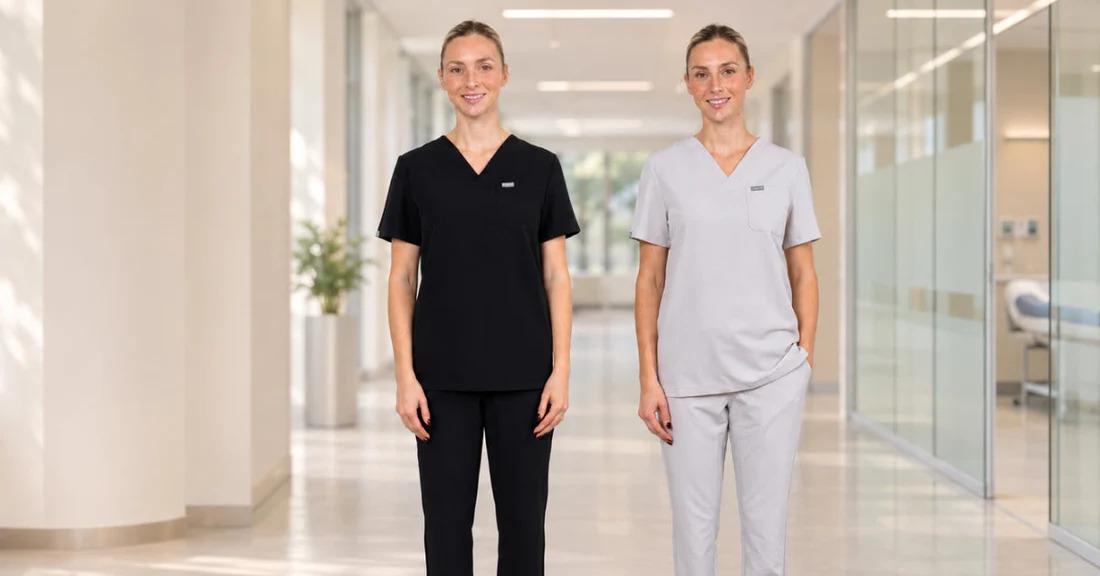

The healthcare industry is constantly evolving, with new technologies, improved medical practices, and changing workplace requirements shaping the future of patient care. Alongside these developments, medical clothing is also experiencing significant changes. Healthcare professionals need workwear that offers comfort, durability, functionality, and a professional appearance. This is why Modern Healthcare Uniforms are becoming an important part of today's medical environment.
From innovative fabrics to stylish designs, healthcare uniforms are no longer just basic work clothing. They are designed to support busy professionals throughout long shifts while maintaining hygiene and promoting confidence. Brands such as Scruvs recognise the importance of combining practicality with modern fashion to meet the changing needs of healthcare workers.
In this article, we explore the future of healthcare workwear, emerging trends, innovative materials, and the features that will shape medical uniforms in the coming years.
1. The Evolution of Modern Healthcare Uniforms
Healthcare uniforms have changed significantly over the years. Traditional medical clothing mainly focused on cleanliness and practicality. However, today's healthcare professionals expect much more from their workwear.
Modern Healthcare Uniforms are designed with a combination of comfort, appearance, and performance in mind. Nurses, doctors, dentists, and other medical professionals require clothing that allows them to move freely while performing demanding daily responsibilities.
From Traditional Scrubs to Contemporary Designs
Traditional scrubs were often available in simple colours and loose-fitting designs. Modern styles now include attractive colour combinations, tailored fits, V-neck tops, practical pockets, and flexible waistbands.
These improvements allow healthcare professionals to maintain a professional appearance without sacrificing comfort.
Meeting the Needs of Healthcare Professionals
Today's medical workers spend many hours standing, walking, bending, and assisting patients. Their uniforms must support these activities.
Modern designs focus on:
-
Comfortable and breathable materials.
-
Flexible fits for unrestricted movement.
-
Practical pockets for everyday essentials.
-
Durable stitching and quality construction.
-
Easy-care fabrics suitable for regular washing.
These features make contemporary scrubs a valuable investment for healthcare teams.
2. Innovative Fabrics Will Shape the Future
Fabric technology will play an important role in the development of future medical clothing. Healthcare professionals need materials that remain comfortable throughout demanding shifts while maintaining their appearance after repeated washing.
Breathable and Lightweight Materials
Breathable fabrics help regulate body temperature and reduce discomfort during long working hours. Lightweight materials are particularly useful for professionals working in busy hospitals, clinics, and dental practices.
Future uniform designs are likely to focus increasingly on moisture management, softness, and improved airflow.
Stretchable and Flexible Fabrics
Healthcare workers frequently perform physical tasks that require flexibility. Stretch fabrics allow professionals to bend, reach, and move comfortably.
Modern Healthcare Uniforms increasingly incorporate flexible fabric blends that provide a balance between durability and freedom of movement.
Sustainable and Eco-Friendly Materials
Sustainability is becoming an important consideration across the fashion and textile industries. Healthcare clothing manufacturers are exploring recycled fibres, responsibly sourced materials, and more efficient production methods.
These developments may help reduce environmental impact while maintaining the performance required for medical workwear.
3. Technology and Smart Features in Medical Clothing
Technology is transforming healthcare, and medical clothing may also benefit from future innovations.
Antimicrobial Fabric Technology
Some textile technologies are designed to help limit the growth of certain microorganisms on fabric surfaces. These materials may offer additional benefits in specific applications.
However, antimicrobial fabrics should never replace proper hand hygiene, infection prevention procedures, or recommended laundering practices.
Temperature-Regulating Materials
Temperature-regulating textiles could make medical uniforms more comfortable across different working environments.
For example, healthcare professionals working in warm hospital departments may benefit from fabrics designed to improve airflow and manage moisture.
Practical Technology Integration
Future medical uniforms may include thoughtfully designed features such as secure storage compartments and convenient identification holders.
These practical additions can help healthcare professionals organise their essential equipment and personal items during busy shifts.
4. Style and Professional Appearance Are Becoming More Important
Medical workwear is no longer limited to basic designs. Healthcare professionals increasingly appreciate clothing that reflects their personal style while meeting workplace expectations.
Modern Colours and Attractive Designs
Traditional uniform colours remain popular, but healthcare clothing now comes in a wider range of shades. Navy, black, grey, royal blue, burgundy, and other colours provide different styling options.
Colour choices can also help healthcare organisations create consistent team identities.
Personalised and Embroidered Uniforms
Personalisation is another growing trend in healthcare clothing. Embroidered names, professional titles, and organisation logos can create a coordinated and professional appearance.
Brands like Scruvs can help healthcare professionals explore workwear styles that combine personal expression with workplace practicality.
Combining Fashion with Functionality
The future of medical clothing will focus on balancing appearance and performance. Stylish necklines, modern fits, attractive details, and functional pockets can make everyday workwear more appealing.
5. Comfort and Fit Will Remain Essential
Comfort is one of the most important considerations when choosing medical clothing. Healthcare professionals often work extended shifts, making comfortable uniforms essential for their daily routines.
Flexible Designs for Everyday Movement
Well-designed uniforms should provide enough room around the shoulders, waist, and legs. Stretch panels and carefully selected fabric blends can improve mobility.
Inclusive Sizing and Better Fits
Healthcare professionals have different body shapes and personal preferences. Future uniform collections are likely to place greater emphasis on inclusive sizing and different fit options.
Modern Healthcare Uniforms should accommodate a wide range of healthcare workers without compromising style or practicality.
Functional Pockets and Storage
Pockets remain one of the most useful features of medical clothing. Nurses and other professionals often need quick access to pens, notepads, phones, and other approved workplace essentials.
Thoughtfully positioned pockets can improve convenience without making uniforms unnecessarily bulky.
6. Durability and Easy Maintenance
Medical uniforms are worn frequently and washed regularly. Therefore, durability and easy maintenance will continue to influence purchasing decisions.
Long-Lasting Fabric Quality
High-quality fabrics and reinforced stitching help uniforms maintain their shape and appearance over time.
Healthcare professionals should look for materials that resist excessive fading, shrinking, and everyday wear.
Easy Washing and Quick Drying
Busy healthcare workers need clothing that is straightforward to maintain. Easy-care fabrics can reduce the time required for washing, drying, and preparing uniforms for the next shift.
Following the manufacturer's washing instructions and workplace infection-control requirements is essential for maintaining medical clothing properly.
Cost-Effective Workwear Choices
Investing in durable uniforms can provide better long-term value. Although inexpensive options may appear attractive initially, poor-quality clothing may require more frequent replacement.
Choosing reliable workwear from brands such as Scruvs can help healthcare professionals prioritise quality, comfort, and everyday practicality.
7. The Growing Importance of Personalised Healthcare Uniforms
Personalisation is expected to remain an important part of modern medical fashion. Healthcare professionals increasingly want uniforms that reflect their roles and workplace identities.
Custom Embroidery for Medical Teams
Embroidered names, logos, and professional titles can create a coordinated appearance across healthcare departments.
This is particularly useful for hospitals, private clinics, dental practices, and other medical organisations.
Uniforms That Reflect Professional Identity
Different healthcare roles may have different clothing requirements. Personalised designs and coordinated colour schemes can help organisations establish a consistent professional image.
The right uniform can also help staff feel confident and prepared for their responsibilities.
8. How to Choose the Right Modern Healthcare Uniforms
Selecting suitable medical clothing involves considering several important factors. Healthcare professionals should focus on comfort, quality, functionality, and workplace requirements.
Here are some useful considerations:
-
Fabric quality: Choose breathable and durable materials.
-
Comfortable fit: Look for designs that support natural movement.
-
Practical pockets: Select uniforms with useful storage options.
-
Easy maintenance: Consider fabrics that are simple to wash and care for.
-
Professional appearance: Choose suitable colours and modern designs.
-
Workplace requirements: Follow your organisation's uniform and infection-control policies.
By considering these factors, healthcare workers can find uniforms that support their daily responsibilities.
9. Why Scruvs Is Relevant to the Future of Medical Workwear
As healthcare clothing continues to develop, choosing a brand that understands the needs of medical professionals becomes increasingly important.
Scruvs represents an opportunity for healthcare workers to explore contemporary medical workwear with an emphasis on style, comfort, and practicality.
Whether professionals are looking for stylish scrub tops, comfortable trousers, embroidered designs, or everyday medical essentials, selecting suitable clothing can make a difference to their working experience.
The future of Modern Healthcare Uniforms will involve more than attractive designs. It will focus on creating practical clothing that supports healthcare professionals throughout their demanding schedules.
Conclusion
The future of healthcare workwear is moving towards greater comfort, improved fabric technology, sustainable materials, and contemporary designs. Medical uniforms are becoming more functional and stylish while continuing to meet the practical requirements of healthcare environments.
From breathable fabrics and flexible fits to personalised embroidery and durable construction, these developments are changing how healthcare professionals choose their everyday clothing.
Modern Healthcare Uniforms will continue to play an important role in supporting professional appearance, comfort, and workplace practicality. With brands such as Scruvs contributing to the modern medical clothing market, healthcare workers have more opportunities to find workwear that suits their needs.
As the healthcare industry advances, investing in comfortable, durable, and functional uniforms will remain an important consideration for medical professionals and healthcare organisations alike.
