

BMI Calculator for Women: Calculate Your Body Mass Index and Understand Your Results

A BMI calculator for women is a simple tool that estimates whether your weight falls within a recommended range based on your height. BMI, or Body Mass Index, is commonly used to assess weight status in adult women and identify potential weight-related health concerns. By entering your height and weight, you can calculate your BMI and understand which weight category your result falls into.
Although BMI is a useful starting point for evaluating weight, it does not measure body fat directly or account for every difference in body composition. Understanding how BMI works, how to calculate it, and what your results mean can help you make informed decisions about your health and wellness.
What Is BMI for Women?
Body Mass Index (BMI) is a numerical measurement calculated using a person's height and weight. It is widely used by healthcare professionals as an initial screening tool to assess weight status.
For adult women aged 20 and older, BMI helps classify weight into four primary categories: underweight, healthy weight, overweight, and obesity.
BMI can provide useful information during routine health assessments, but it should not be treated as a medical diagnosis. Factors such as muscle mass, body fat distribution, age, pregnancy, and medical history can influence how BMI relates to an individual's health.
How to Use a BMI Calculator for Women
A BMI calculator for women requires two basic measurements:
-
Weight: Your current body weight in kilograms or pounds.
-
Height: Your height in meters, centimeters, or feet and inches.
Enter these measurements into the calculator and select the correct units. The tool will calculate your BMI and display the corresponding weight category.
For more accurate results, measure your height without shoes and use a reliable weighing scale. Make sure you enter your measurements correctly.
BMI Formula for Women
BMI can be calculated using either the metric or imperial measurement system.
Metric BMI Formula
BMI = Weight (kg) ÷ Height (m)²
For example, if a woman weighs 65 kilograms and is 1.65 meters tall:
BMI = 65 ÷ (1.65 × 1.65)
BMI = 23.88
Her BMI is approximately 23.9, which falls within the healthy weight category for adults.
Imperial BMI Formula
BMI = [Weight (lb) ÷ Height (in)²] × 703
Both formulas calculate the same BMI measurement when the correct units are used.
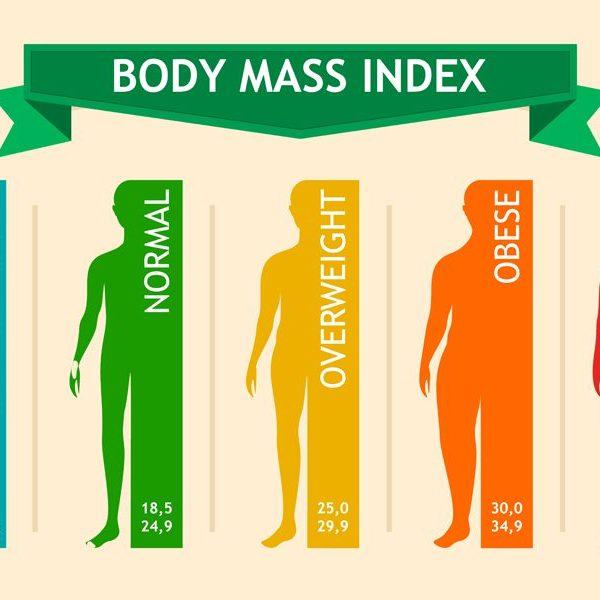
BMI Chart for Women: Understanding Weight Categories
For adult women aged 20 and older, standard BMI categories are used to classify weight status. These categories are the same for adult men and women.
| BMI Range | Weight Category |
|---|---|
| Below 18.5 | Underweight |
| 18.5–24.9 | Healthy weight |
| 25.0–29.9 | Overweight |
| 30.0–34.9 | Obesity Class 1 |
| 35.0–39.9 | Obesity Class 2 |
| 40.0 or higher | Obesity Class 3 |
These ranges provide a general screening reference. They do not independently determine whether someone is healthy or requires medical treatment.
Underweight: BMI Below 18.5
A BMI below 18.5 is classified as underweight. It may indicate that a woman weighs less than expected for her height.
Possible contributing factors include inadequate nutrition, digestive conditions, certain medical problems, or unexplained weight loss. A healthcare professional can help identify possible causes and determine whether further evaluation is necessary.
Healthy Weight: BMI 18.5–24.9
A BMI between 18.5 and 24.9 is generally considered within the healthy weight range for adults.
Maintaining a weight within this range may support overall health when combined with balanced nutrition, regular physical activity, and adequate sleep. However, being within the healthy BMI range does not guarantee that someone has no health concerns.
Overweight: BMI 25.0–29.9
A BMI between 25.0 and 29.9 falls within the overweight category.
This measurement may indicate an increased likelihood of certain weight-related health risks. However, body composition and muscle mass can influence BMI, so additional measurements may be needed to understand an individual's health.
Obesity: BMI 30 or Higher
A BMI of 30 or above is classified as obesity. The category is further divided into three classes based on the BMI value.
Higher BMI levels can be associated with an increased risk of conditions such as type 2 diabetes, cardiovascular disease, high blood pressure, and joint problems. A healthcare professional can assess individual risk factors and discuss suitable management options.
Is BMI Different for Women and Men?
The standard adult BMI formula and weight categories are the same for women and men. There are no separate standard adult BMI ranges based solely on sex.
However, body composition can differ between individuals. Women generally have different average proportions of body fat and muscle compared with men. Hormonal changes and life stages can also influence weight and body composition.
For example, pregnancy, menopause, and changes in activity levels may affect a woman's weight over time. BMI should therefore be interpreted alongside individual health circumstances rather than used as the only measure of well-being.
BMI Considerations During Pregnancy and Menopause
BMI During Pregnancy
Standard adult BMI categories are not designed to assess weight changes during pregnancy. Pregnancy-related weight gain is influenced by several factors, including pre-pregnancy BMI, fetal growth, and individual medical circumstances.
Healthcare professionals generally use pre-pregnancy BMI as one factor when discussing appropriate pregnancy weight gain. Pregnant women should follow individualized medical guidance rather than rely on a standard BMI calculator to assess current pregnancy weight.
BMI During Menopause
Menopause can bring changes in body composition, fat distribution, and metabolism. Some women notice increased abdominal fat or changes in weight during this stage of life.
BMI can still provide a general screening measurement for postmenopausal women, but it cannot show where body fat is distributed. Waist circumference and other health measurements may provide additional information.
Limitations of a BMI Calculator for Women
Although BMI is widely used, it has several limitations:
-
Does not measure body fat directly: BMI uses height and weight rather than a direct body fat measurement.
-
Does not distinguish muscle from fat: Women with greater muscle mass may have a higher BMI without having excess body fat.
-
Does not show fat distribution: It cannot determine whether fat is concentrated around the abdomen or elsewhere.
-
Does not account for every individual difference: Age, hormonal changes, medical history, and body composition can influence health.
-
May not apply to every life stage: Pregnancy requires different weight assessment considerations, while children and teenagers need age- and sex-specific BMI growth charts.
A healthcare professional may consider waist circumference, blood pressure, cholesterol, blood glucose, and medical history to develop a more complete understanding of health.
How Women Can Maintain a Healthy Weight
Maintaining a healthy weight involves consistent habits rather than focusing exclusively on a BMI number.
Follow a Balanced Diet
Include vegetables, fruits, whole grains, lean proteins, and healthy fats in your meals. Pay attention to portion sizes and limit frequent consumption of highly processed foods and sugary drinks.
Stay Physically Active
Regular exercise supports cardiovascular health, muscle strength, and weight management. Adults should generally aim for at least 150 minutes of moderate-intensity aerobic activity each week, along with muscle-strengthening activities on two or more days.
Prioritize Sleep
Adequate sleep supports energy levels, appetite regulation, and general well-being. Maintaining a consistent sleep schedule can help support healthy lifestyle habits.
Monitor Your Health
You can use a BMI calculator periodically to understand changes in your weight status. However, BMI should not be your only measure of progress. Regular medical checkups can help identify potential concerns and guide appropriate health decisions.
When Should Women Consult a Healthcare Professional?
Consider speaking with a healthcare professional if your BMI is below 18.5 or 30 and above, you experience unexplained weight changes, or you have concerns about your weight and overall health.
You may also benefit from professional guidance if you have high blood pressure, elevated cholesterol, diabetes, irregular menstrual changes, or symptoms associated with menopause. A healthcare professional can evaluate your individual circumstances and recommend suitable lifestyle changes, additional testing, or treatment when appropriate.
Final Thoughts
A BMI calculator for women provides a convenient way to estimate Body Mass Index using height and weight. It can help adult women understand general weight categories and recognize when additional health assessment may be useful.
