

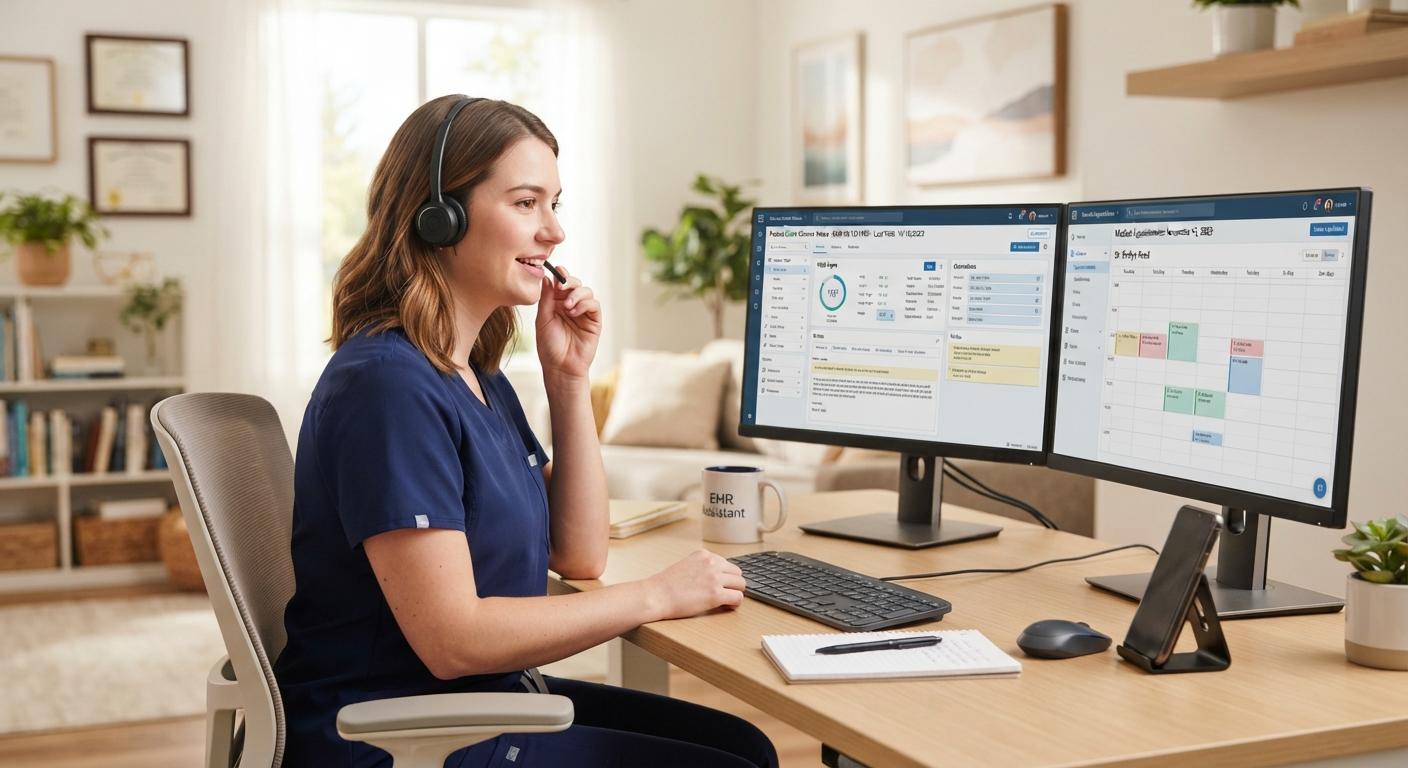

Effective communication is essential for providing a smooth healthcare experience. Patients contact medical offices to schedule appointments, ask questions, understand administrative procedures, and receive important updates. However, language differences can create communication gaps that make these interactions difficult. Multilingual answering services help healthcare providers address these challenges by making phone support more accessible and ensuring patients can communicate in their preferred supported languages.
1. Language Barriers During Patient Calls
One of the most common communication problems in healthcare is the inability to communicate comfortably in a shared language. Patients with limited English proficiency may struggle to explain their needs, understand appointment instructions, or ask questions about available services.
A professional Bilingual Answering service helps medical practices overcome these challenges by providing phone assistance in different supported languages. Representatives can handle routine inquiries, take messages, and guide patients toward the appropriate departments.
2. Misunderstandings About Appointment Scheduling
Appointment scheduling involves discussing available time slots, office hours, preparation instructions, and rescheduling requirements. Language differences can make these conversations confusing and may lead to missed appointments or incorrect scheduling information.
Multilingual phone representatives can explain scheduling details clearly and confirm important information with patients. This helps medical offices manage appointments more accurately and create a smoother booking experience.
3. Difficulty Understanding Administrative Instructions
Patients often contact healthcare providers to ask about registration procedures, required documents, office policies, and general service information. Complicated explanations or unfamiliar terminology can make these interactions frustrating.
Using simple language and providing assistance in patients' preferred supported languages makes administrative communication easier. It also helps individuals understand what information they need to provide when contacting a medical office.
4. Delayed Responses and Missed Patient Calls
Busy healthcare practices receive numerous calls throughout the day. When reception teams are occupied with other responsibilities, some calls may go unanswered or require longer response times.
A Medical Virtual Receptionist can help manage incoming calls, schedule appointments, record messages, and respond to routine patient inquiries. This additional support helps clinics maintain consistent phone communication while reducing the workload on in-house employees.
5. Confusion About Insurance and Authorization Procedures
Insurance-related communication can be another source of difficulty for patients. They may have questions about coverage requirements, supporting documents, or whether an insurance company has reviewed a requested service.
A professional Prior Authorization Service helps healthcare practices manage authorization requests, organize documentation, track application progress, and follow up with insurance companies. Better administrative coordination helps clinics monitor pending requests and provide relevant updates when available.
6. Challenges in Building Patient Trust
Clear communication helps patients feel comfortable when interacting with healthcare providers. When individuals cannot express their questions or understand general instructions, they may become frustrated or hesitate to contact the clinic again.
Multilingual phone support creates more welcoming interactions by allowing patients to communicate in a familiar language. Patient-focused communication can strengthen relationships and improve the overall experience of contacting a medical practice.
7. Inconsistent Communication Across Departments
Patients may need to speak with receptionists, billing teams, scheduling staff, or other administrative departments. Without organized call-handling procedures, important messages may not reach the correct employees.
Healthcare practices can improve coordination by establishing clear call transfer procedures, maintaining accurate message records, and training representatives to direct inquiries appropriately.
Conclusion
Multilingual answering services help healthcare providers address common communication problems, including language barriers, scheduling misunderstandings, missed calls, and administrative confusion. By combining bilingual phone assistance with virtual reception and organized authorization support, medical practices can improve accessibility and maintain more consistent communication. These solutions help create a smoother patient experience while supporting efficient daily healthcare operations.
