

Gold has remained an important precious metal for centuries because of its recognised value, versatility, and role in international markets. From jewellery manufacturing to bullion trading, gold attracts individuals and businesses interested in understanding its commercial potential. In Nigeria, wholesale gold purchasing is an area of interest for jewellery retailers, traders, and buyers who want to explore opportunities within the precious metals market.
Wholesale gold investment involves purchasing gold in larger quantities rather than buying individual jewellery pieces or small retail products. However, making informed purchasing decisions requires an understanding of gold purity, market prices, supplier reliability, storage, and the factors that influence gold value.
For individuals and businesses planning to Buy wholesale gold Nigeria, understanding how the wholesale gold market operates is an important starting point. Buyers should also recognise that gold prices can fluctuate and that wholesale purchasing involves financial considerations that require careful evaluation.
Goldy provides a jewellery-focused reference for understanding gold products, quality, and purchasing considerations. By exploring the fundamentals of wholesale gold investment, buyers can develop a clearer understanding of the market and make decisions based on their requirements.
Understanding Wholesale Gold Investment
Wholesale gold investment involves purchasing gold in larger quantities for business purposes, trading, manufacturing, or holding as a physical precious-metal asset.
Unlike ordinary retail jewellery purchases, wholesale transactions generally involve larger quantities and require more attention to product specifications, purity, weight, and pricing.
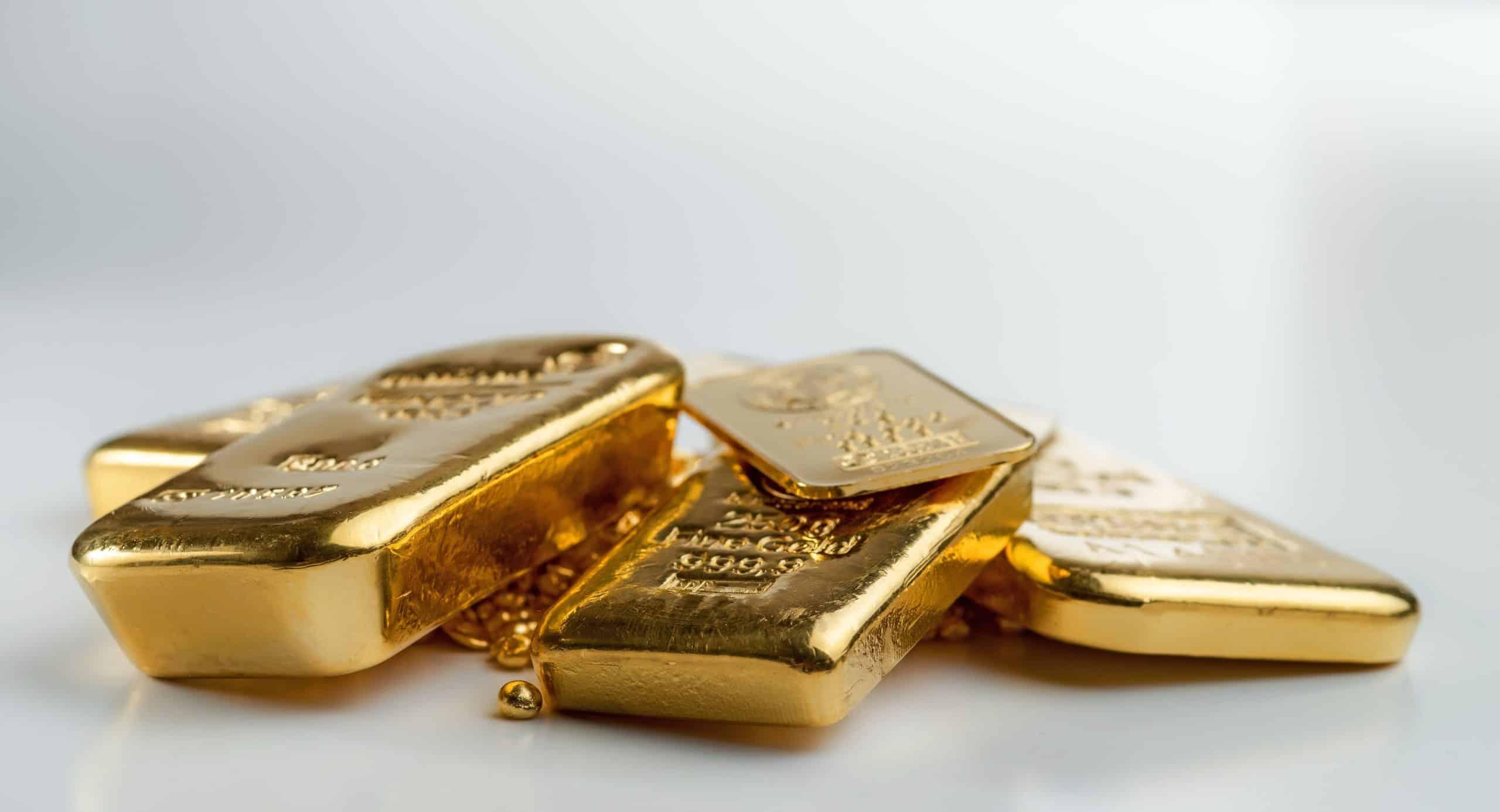
Gold can be purchased in several forms, including:
- Gold bars and bullion.
- Refined gold.
- Gold jewellery.
- Gold granules.
- Gold doré, subject to appropriate testing and refining.
- Other gold products intended for manufacturing or commercial use.
Each category has different characteristics and purchasing considerations.
For example, gold bullion is generally valued according to its weight and purity, while finished jewellery may include additional costs associated with craftsmanship, design, and manufacturing.
Understanding these differences helps buyers identify the type of gold that best matches their intended purpose.
Why Gold Attracts Wholesale Buyers in Nigeria
Gold attracts interest from different types of buyers because it has established uses across jewellery manufacturing, trading, and precious-metal markets.
In Nigeria, wholesale gold purchasing can be relevant to jewellery retailers, manufacturers, traders, and businesses that require gold materials for their operations.
Several characteristics contribute to this interest.
Recognised Precious-Metal Value
Gold is internationally recognised and traded across different markets. Its established role in the global precious-metals industry makes it an important commodity for businesses and investors to understand.
Demand for Gold Jewellery
Gold jewellery remains popular for weddings, celebrations, gifts, and personal accessories. This creates commercial opportunities for businesses involved in jewellery sales and manufacturing.
Different Product Categories
Buyers can explore gold bars, refined gold, and finished jewellery depending on their business requirements.
International Market Activity
Gold prices are influenced by global economic conditions, investor demand, currency movements, and other market developments.
Long-Term Market Relevance
Gold has maintained an important position in international markets over many generations. However, its market price can rise or fall, and historical performance does not guarantee future returns.
For anyone considering Buy wholesale gold Nigeria, understanding these characteristics can help establish realistic purchasing expectations.
Different Forms of Gold Available for Wholesale Investment
Before making a wholesale purchase, buyers should understand the different forms in which gold is available. Each form has specific characteristics, uses, and pricing considerations.
Gold Bullion
Gold bullion generally refers to refined gold bars or coins produced according to recognised purity specifications.
Its value is primarily influenced by its gold content, weight, and prevailing market price. Buyers should verify the manufacturer, purity, serial information where applicable, and authenticity documentation.
Refined Gold
Refined gold has undergone processing to remove impurities and establish a more specific purity level.
It may be used for manufacturing, investment-related purposes, or other commercial applications.
Gold Jewellery
Gold jewellery includes necklaces, rings, earrings, bracelets, and other finished products.
Its retail or wholesale price may include the cost of gold, craftsmanship, design, gemstones, and manufacturing.
Gold Granules
Gold granules are small pieces of gold that may be used in jewellery manufacturing and other production processes.
Their suitability depends on purity, composition, and the requirements of the manufacturer.
Gold Doré
Gold doré is a partially refined material containing gold alongside silver and other metals or impurities.
Its gold content must be established through appropriate assay testing before its value can be determined accurately.
Understanding these categories allows wholesale buyers to compare products according to their intended use.
Understanding Gold Purity Before Investing
Gold purity is one of the most important considerations when purchasing gold in wholesale quantities.
The karat system indicates how much pure gold is present in an alloy. Pure gold is measured as 24 karats, while lower-karat gold contains a combination of gold and other metals.
The following classifications are commonly used:
|
Gold type |
Approximate gold content |
|
24-karat gold |
99.9% |
|
22-karat gold |
91.67% |
|
18-karat gold |
75% |
|
14-karat gold |
58.33% |
|
9-karat gold |
37.5% |
Higher-karat gold generally contains a greater proportion of pure gold per gram.
For example, 100 grams of 18-karat gold contains approximately 75 grams of pure gold, while 100 grams of 22-karat gold contains approximately 91.67 grams.
This distinction is important because two gold products with identical weights may have different intrinsic gold values.
Wholesale buyers should always confirm the stated purity and arrange appropriate verification before purchasing significant quantities.
How the Gold Market Influences Wholesale Investment
Gold prices change according to international market conditions. Understanding the factors behind these movements can help buyers evaluate purchasing opportunities and recognise potential price fluctuations.
Several factors influence gold prices.
International Supply and Demand
Gold prices can respond to changes in global production, central-bank purchases, jewellery demand, and investor activity.
When demand increases relative to available supply, prices may experience upward pressure. Changes in supply and demand can also contribute to price declines.
Economic Conditions
Economic uncertainty can influence investor interest in precious metals. Some investors consider gold as a way to diversify their holdings, although its price remains subject to market volatility.
Interest Rates
Changes in interest rates can affect the attractiveness of gold compared with interest-generating assets.
Currency Movements
Gold is commonly quoted internationally in US dollars. Changes in the value of the dollar and other currencies can influence gold prices in local markets.
Central Bank Activity
Central banks hold gold as part of their reserves. Changes in their purchasing and selling activities can influence market sentiment and demand.
Understanding these factors can help wholesale buyers make more informed decisions rather than relying on short-term market predictions.
Understanding Buy Wholesale Gold Cost in Nigeria
The Buy wholesale gold cost in Nigeria depends on several elements, including international gold prices, exchange rates, purity, weight, supplier pricing, and transaction expenses.
There is no single fixed wholesale price because gold values change over time and different products have different specifications.
- International Gold Prices
The international gold market provides an important reference for determining the underlying value of gold.
Changes in the global spot price can influence the cost of purchasing gold materials and finished products.
- Exchange Rates
Currency movements can have a significant effect on local purchasing costs.
When gold is priced internationally in US dollars, changes in the exchange rate between the dollar and the Nigerian naira may influence the local price.
- Gold Purity
The purity of gold directly affects its actual gold content.
For example, 24-karat gold generally contains more pure gold per gram than 18-karat gold. Therefore, buyers should compare products using their actual gold content rather than total weight alone.
- Purchase Quantity
Wholesale pricing may vary according to the size of an order, supplier policies, and commercial agreements.
Buyers should request quotations for specific quantities instead of assuming that every bulk purchase receives the same pricing structure.
- Product Type
Gold bullion, refined gold, raw materials, and finished jewellery may have different pricing structures.
Finished jewellery can include craftsmanship and design charges that are not necessarily reflected in the underlying gold market price.
- Transportation and Additional Expenses
Depending on the transaction, transportation, insurance, import duties where applicable, refining, testing, and other business expenses may influence the final cost.
Anyone researching the Buy wholesale gold cost in Nigeria should request a detailed quotation that clearly identifies the product specifications and additional charges.
How to Calculate the Gold Content of a Wholesale Purchase
Understanding the actual gold content of a product is essential when comparing wholesale prices.
A simple calculation can help buyers estimate how much pure gold is contained in a particular quantity.
The formula is:
Pure gold content = Total gold weight × Gold purity percentage.
For example, consider a wholesale purchase of 500 grams of 18-karat gold.
- Total weight: 500 grams.
- Gold purity: 75%.
- Pure gold content: 375 grams.
- Other alloy metals: 125 grams.
This calculation helps buyers understand the actual amount of gold contained in the purchase.
For bullion products, buyers should also check the stated fineness and confirm that the total weight corresponds to the documented specifications.
When evaluating larger orders, accurate calculations can make price comparisons more meaningful.
The Importance of Choosing a Reliable Wholesale Gold Supplier
Supplier selection is an important part of wholesale gold purchasing. Even when a product appears attractive, buyers should verify the supplier's business practices and the accuracy of the product information.
A reliable supplier should be able to provide clear details about gold purity, weight, product origin where available, and transaction terms.
Consider the following factors when evaluating a potential supplier.
Business Reputation
Research the supplier's business history, customer feedback, and professional presence.
Product Transparency
The supplier should provide clear descriptions of the gold being offered, including its purity, weight, and product category.
Authenticity Verification
Ask whether independent testing is permitted before completing the purchase.
Transparent Quotations
Request detailed pricing information that explains the product cost and any additional charges.
Proper Documentation
Invoices, product descriptions, and available assay reports can help establish a clear transaction record.
Communication
A professional supplier should be able to answer questions about specifications, payment arrangements, and delivery conditions.
For businesses planning to Buy wholesale gold Nigeria, supplier evaluation should be treated as an essential part of the purchasing process.
How to Verify Gold Authenticity Before Making a Bulk Purchase
Authenticity verification is particularly important when purchasing gold in large quantities.
A product's colour, weight, or appearance cannot independently establish its gold content. Professional testing and reliable documentation provide stronger evidence.
Some common verification methods include:
X-Ray Fluorescence Testing
XRF testing analyses the elemental composition of a metal and can estimate the percentage of gold and other elements present.
It is generally non-destructive, making it useful for examining jewellery and other metal products.
However, surface measurements may not always reveal the composition of the entire item, particularly when plating is involved.
Fire Assay
Fire assay is a laboratory method used to determine gold content with a high degree of accuracy.
It generally requires a sample of the material, meaning that the testing process is destructive.
Electronic Testing
Electronic testing devices can provide an indication of gold purity. Their accuracy depends on the equipment and testing conditions.
Hallmark Verification
Gold products may carry purity markings such as 999, 916, 750, or 585.
These markings indicate the stated gold fineness, but they should be supported by appropriate testing when authenticity is uncertain.
For substantial wholesale transactions, independent verification can help buyers establish greater confidence in product specifications.
Gold Wholesale Investment Versus Gold Jewellery Business
Wholesale gold investment and jewellery retailing are related activities, but they involve different objectives and commercial considerations.
Wholesale Gold Investment
This generally involves purchasing gold in larger quantities for holding, trading, or other commercial purposes.
Buyers may focus on purity, market prices, weight, liquidity, storage, and transaction expenses.
Gold Jewellery Business
A jewellery business purchases finished jewellery or raw gold materials for manufacturing and resale.
In addition to gold content, retailers consider design preferences, craftsmanship, customer demand, and product presentation.
For example, a jewellery retailer may purchase 18-karat gold necklaces and bracelets because customers prefer their combination of appearance and durability.
A bullion buyer, on the other hand, may focus more heavily on documented purity and gold weight.
Understanding these differences helps buyers identify the most suitable purchasing approach for their business objectives.
Important Factors to Consider Before Investing in Wholesale Gold
Wholesale gold purchases require careful planning because they can involve significant financial commitments.
Before making a transaction, buyers should evaluate several practical considerations.
Establish Your Purchasing Objective
Determine whether the gold is intended for jewellery manufacturing, retail sales, trading, or physical precious-metal holdings.
Set a Realistic Budget
Consider the total purchase price and additional expenses rather than focusing only on the advertised gold rate.
Research Market Conditions
Review current international gold prices and understand how currency exchange rates influence local costs.
Compare Similar Products
When comparing supplier quotations, make sure the products have matching purity levels, weights, and specifications.
Verify Authenticity
Arrange suitable professional testing and examine available documentation.
Understand Storage Requirements
Physical gold requires secure storage and appropriate inventory management.
Consider Liquidity
The ease of selling gold depends on its form, purity, documentation, market conditions, and potential buyers.
These considerations can help establish a more structured approach to wholesale gold purchasing.
Understanding the Risks Associated with Wholesale Gold Investment
Although gold is an established precious metal, purchasing it does not guarantee financial returns.
Wholesale buyers should understand the potential challenges before committing substantial funds.
Market Price Fluctuations
Gold prices can rise or fall because of international economic developments, investor demand, and currency movements.
A purchase made at a particular price may be worth less if the market price declines.
Authenticity Concerns
Misrepresented purity or counterfeit products can create financial losses. Independent testing and reliable documentation are important safeguards.
Storage and Security
Physical gold requires secure storage. Businesses may also need to consider insurance and inventory controls.
Transaction Expenses
Testing, transportation, refining, insurance, and other charges can reduce the overall financial benefit of a transaction.
Resale Considerations
The resale value of gold may differ from its original purchase price. Retail jewellery, for example, may include craftsmanship charges that are not fully recovered when resold.
Supplier Reliability
Unclear transaction terms and inadequate documentation can create disputes or delivery problems.
A careful assessment of these factors can help buyers understand the responsibilities involved in purchasing and holding physical gold.
Storage and Management of Wholesale Gold
Proper storage is an important consideration for businesses and individuals purchasing physical gold.
Gold may be durable as a metal, but its value and security still require appropriate management.
Some useful practices include:
- Use secure storage facilities.
- Maintain detailed records of gold quantities and purity.
- Store different gold grades separately.
- Keep purchase invoices and testing reports organised.
- Conduct regular inventory checks.
- Consider appropriate insurance arrangements.
- Limit access to authorised personnel.
Jewellery retailers should also protect finished products from unnecessary scratches and physical damage.
For businesses handling larger quantities, professional inventory systems can make it easier to monitor purchases, sales, and remaining stock.
How Goldy Connects Jewellery Knowledge with Wholesale Gold Purchasing
Goldy provides a jewellery-focused reference for understanding gold products, quality, and purchasing considerations.
Gold jewellery is an important part of the broader gold market because it combines precious-metal content with craftsmanship, design, and consumer preferences.
For wholesale buyers, understanding jewellery specifications can help when evaluating finished products or selecting gold materials for manufacturing.
Important considerations include:
- Understanding different karat grades.
- Comparing gold weight and purity.
- Recognising quality craftsmanship.
- Evaluating product finishing.
- Understanding how design influences jewellery pricing.
- Reviewing supplier information and purchase documentation.
For anyone researching Buy wholesale gold Nigeria, knowledge of these factors can help create a more informed approach to comparing products and assessing purchasing costs.
Goldy encourages buyers to appreciate the importance of product quality, reliable information, and thoughtful gold selection.
Wholesale Gold and Its Role in Jewellery Manufacturing
Gold plays an important role in jewellery manufacturing because of its attractive appearance, workability, and established consumer demand.
Manufacturers use different gold purity grades depending on the intended design and characteristics of the finished product.
For example, 18-karat gold is commonly used for detailed jewellery because it combines substantial gold content with additional metals that improve its strength.
22-karat gold is also used in traditional jewellery designs, while 14-karat gold offers another option for products that require a different balance of gold content and durability.
Wholesale buyers supplying jewellery manufacturers should understand their customers' requirements before selecting a particular gold grade.
The choice of gold can influence:
- The appearance of finished jewellery.
- The durability of individual pieces.
- Manufacturing requirements.
- Material costs.
- Customer preferences.
- The overall pricing structure.
Understanding these relationships can help wholesalers select products that suit the needs of jewellery businesses.
Common Mistakes to Avoid When Buying Wholesale Gold
A successful purchasing process involves careful research and attention to product details. Buyers should avoid several common mistakes.
Buying Without Checking Purity
Never assume that the stated karat is accurate without reviewing available evidence and arranging testing where appropriate.
Focusing Only on Low Prices
A low quotation may reflect different purity, product quality, or transaction conditions. Always compare equivalent products.
Ignoring Exchange Rates
Currency movements can influence local wholesale purchasing costs, particularly for internationally sourced gold.
Overlooking Additional Expenses
Testing, storage, transportation, and other charges should be included when calculating the total purchasing cost.
Failing to Verify Suppliers
Research business credentials and confirm the availability of proper product documentation.
Purchasing Without a Clear Objective
Identify the intended use of the gold before deciding which product type and purity grade to purchase.
Avoiding these mistakes can help buyers approach wholesale gold transactions with greater clarity.
The Future Outlook for Wholesale Gold in Nigeria
The wholesale gold market is influenced by international precious-metal trends, local business activity, currency conditions, and demand from jewellery manufacturers and consumers.
As businesses explore different gold products, understanding purity, sourcing, pricing, and product verification will remain important.
Jewellery retailers may continue to evaluate wholesale suppliers based on design variety, craftsmanship, and customer preferences. Meanwhile, buyers interested in physical gold may place greater emphasis on purity documentation, testing, and secure storage.
Digital information and improved testing technologies can also support more transparent purchasing decisions.
However, future gold prices and market performance cannot be predicted with certainty. Buyers should regularly review market conditions and make purchasing decisions according to their financial circumstances and business objectives.
Final Thoughts on Understanding Wholesale Gold Investment
Wholesale gold investment requires more than simply purchasing gold in large quantities. Buyers need to understand purity, authenticity, weight, market pricing, supplier reliability, storage, and the expenses associated with physical gold ownership.
The Buy wholesale gold cost in Nigeria depends on several changing factors, including international gold prices, exchange rates, product purity, purchase quantities, and additional transaction expenses.
For individuals and businesses planning to Buy wholesale gold Nigeria, careful research and independent product verification are essential steps towards making informed purchasing decisions.
Goldy highlights the importance of understanding gold quality and jewellery characteristics when exploring different purchasing opportunities. Whether purchasing bullion, refined gold, or finished jewellery, a thoughtful approach can help buyers evaluate products more effectively and understand their actual value.
By combining market knowledge with careful supplier evaluation and proper documentation, wholesale buyers can develop a more organised approach to the Nigerian gold market.
