

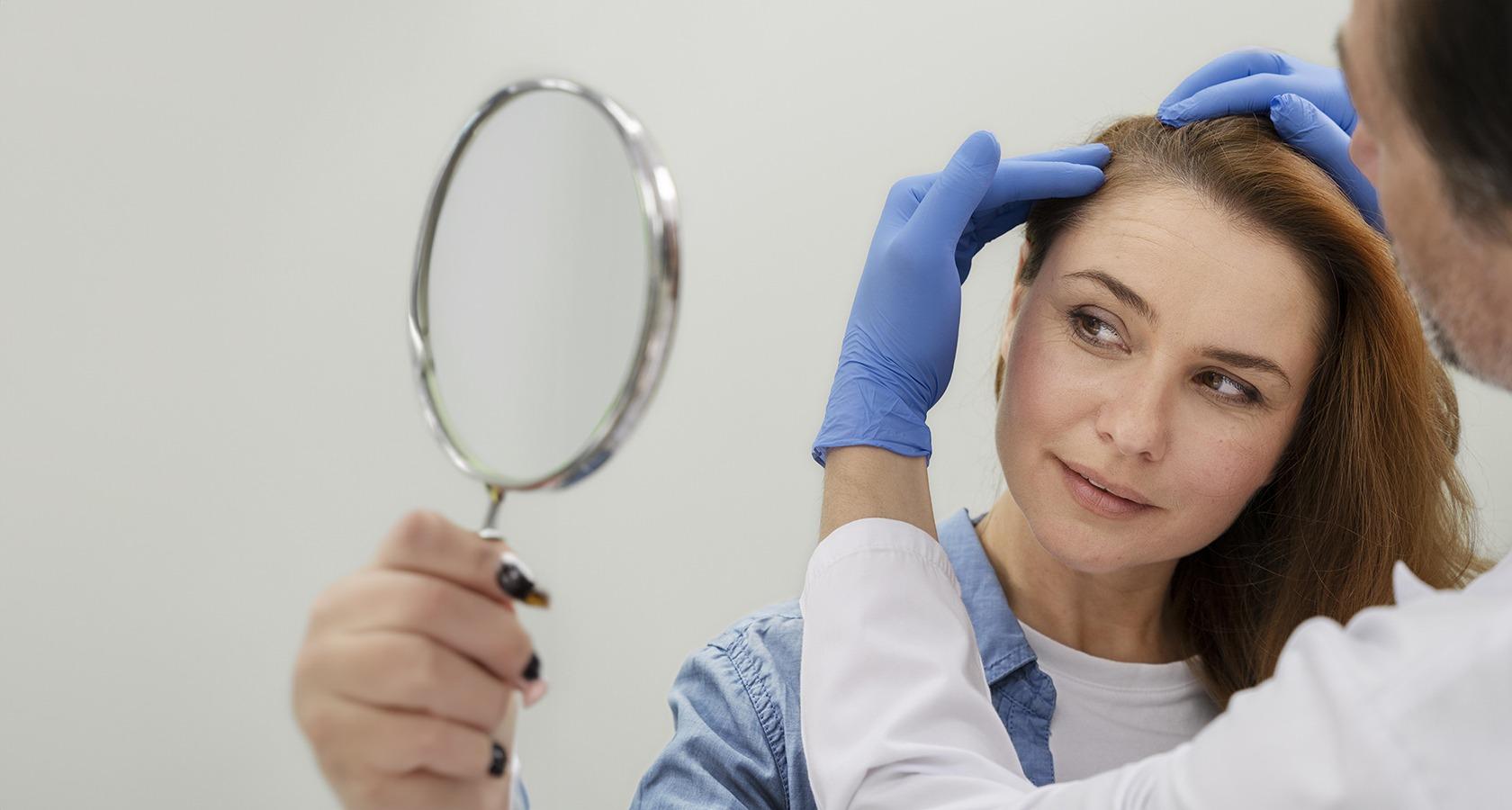

Female Hair Transplant in Dubai: Recovery, Aftercare and Timeline
A hair transplant is often described in terms of the day of surgery, but the real story is the recovery that follows. The grafts need weeks to settle, months to grow, and a full year before the result is judged. Understanding that timeline before the procedure helps patients plan time off work, manage expectations, and look after the grafts properly in the early weeks when they are most vulnerable. Female Hair Transplant in Dubai involves moving follicles from the donor area to thinning areas, and the aftercare given in the first fortnight plays a large part in how well those follicles take.
Recovery after a female transplant is usually straightforward, but it is not instant. The scalp will be tender, small scabs will form, and the transplanted hairs will shed before they regrow. None of this means anything has gone wrong, yet it surprises many patients who expect new hair within days. This guide walks through the recovery week by week, explains the aftercare that matters most, and sets out a realistic timeline for the months ahead.
Every patient heals at a slightly different pace, and the treating team's advice should always come first. The guidance below is general information, not a substitute for the written instructions given after the procedure. Patients should ask for clear, written aftercare steps before the day of surgery.
The First Two Weeks After Surgery
The first few days are the most delicate. The scalp will feel tender, and some swelling around the forehead and eyes is common, usually peaking around the second or third day and then fading. Sleeping with the head raised on extra pillows can help reduce swelling, and patients should avoid bending over or lifting heavy objects in the first days. The provider should advise on suitable pain relief, and patients should take medicines exactly as directed, including any antibiotics or anti-inflammatory tablets prescribed.
Small scabs form around each graft during the first week. It is important not to pick or scratch them, even though they may itch as they dry. Picking can dislodge a graft before it has settled. The scabs usually soften and fall away on their own within ten to fourteen days, often during gentle washing. The donor area may also feel tight or sore, and some numbness is common; this usually fades over weeks, though patients should mention any numbness that persists at their review appointment.
Most patients can return to light desk work within a few days, although this depends on the procedure and the nature of the work. Jobs involving heavy lifting, heat, dust or prolonged time outdoors should be avoided for longer, and the provider should give a clear return-to-work date. Women who wear a headscarf should ask when it is safe to wear one again; a loose, clean covering is preferred over anything tight in the early days.
Washing and Caring for the Scalp
Washing the scalp correctly is one of the most important parts of aftercare. The provider will usually advise waiting a day or two before the first wash, and will show the patient how to do it gently. A mild, fragrance-free shampoo is normally recommended, applied with a light touch rather than vigorous rubbing. Lukewarm water should be used, and the grafts should not be scratched or pulled. Many providers recommend pouring water over the scalp with a cup or using a gentle shower spray held at a distance, rather than standing directly under a strong jet.
After washing, the hair should be patted dry with a soft towel, not rubbed, and a hairdryer on a cool setting may be used once the provider says it is safe. Heated styling tools, hair dye, and chemical treatments should be avoided until the team confirms the scalp has healed, usually after several weeks. Swimming pools, saunas and steam rooms should also be avoided in the early weeks, as they can irritate the healing scalp and increase the risk of infection.
The scalp should also be protected from strong sunlight while it heals. A loose hat or scarf can help once the provider agrees, and sunscreen should not be applied to the grafted area until healing is complete. Patients should ask when normal hair products can be used again.
A Realistic Timeline: What to Expect Month by Month
The transplanted hairs usually shed within the first two to six weeks. This is called shock loss, and it is expected. The follicles remain in place beneath the skin, and shedding does not mean the grafts have failed, although it can be worrying to see. Some women also notice thinning of the existing hair around the treated area in the first weeks; this too is usually temporary, and the provider should explain it beforehand.
By the third or fourth month, fine new hairs usually begin to appear, often thin and pale at first, growing slowly. Between the fourth and sixth months, the new hair becomes more visible and begins to thicken. This is when many patients start to feel the procedure is working, although the result is still far from final.
From six to nine months, the hair continues to thicken and gain length, and the density becomes easier to judge. By nine to twelve months, most patients can see the fuller result, and the final assessment is usually made at around a year, although some improvement may continue into the second year. Patients should attend review appointments at the intervals the provider suggests, so the team can check healing, compare progress, and advise on care of the existing hair.
Photographs taken at the same angle and in the same light each month help progress to be judged fairly. Memory is unreliable over a year, and a photo record often shows improvement that is hard to notice day by day.
Returning to Normal Life
Exercise should be reintroduced gradually. Light walking is usually fine within a few days, but strenuous exercise, heavy lifting and contact sports should wait until the provider gives the go-ahead, often after two to three weeks. Sweating can irritate the healing scalp, so patients should ask when they can return to the gym or outdoor exercise.
Hair styling needs patience. The donor area is trimmed for the procedure, and the surrounding long hair can usually be arranged to cover it, but some women prefer a different parting or a looser style while the area heals. Hair dye, straightening and other chemical treatments should wait until the provider confirms the scalp has fully healed. When in doubt, patients should ask before using any product on the treated area.
Social plans are worth thinking about in advance. The scalp may look red or scabbed for the first week or two, and some women prefer to keep a low profile during that time. A loose headscarf or hat, once approved, can help, and planning the procedure around a quiet fortnight makes early recovery easier.
Possible Problems and When to Seek Help
Most recoveries pass without serious problems, but patients should know the warning signs. Increasing pain, spreading redness, swelling that worsens after the first few days, discharge, or a fever should be reported promptly, as these can be signs of infection, which needs early treatment. Heavy bleeding, although uncommon, should also be reported at once.
Some patients develop small pimples around the grafts as new hairs grow through. These are usually harmless and settle on their own, but patients should not squeeze them and should mention them at review. Itching is common as scabs dry; a gentle moisturiser may be suggested, but nothing should be applied to the grafted area without the provider's advice.
If the result at twelve months is thinner than expected, patients should discuss it with their provider rather than assuming the procedure has failed. Sometimes a second session is needed to add density, and this is usually planned a year after the first, once the initial growth is complete. A good provider will review the result honestly and discuss the options, including whether further treatment is worthwhile.
How to Choose the Right Provider for Female Hair Transplant in Dubai
Good aftercare starts with choosing a provider that plans for recovery properly.
Experience and Qualifications
The surgeon should hold appropriate medical qualifications and have specific experience with hair transplantation in women. Patients should ask how many female procedures the surgeon has performed, how results are assessed, and whether the clinic investigates medical causes before offering surgery. A careful, honest assessment matters more than any promise of a particular density.
Technology and Techniques
Patients should ask which technique is proposed and why it suits them, including how the donor area will be handled with long hair. A reputable provider explains the options in plain terms, including the advantages and the limits of each. The plan should always be based on the patient's own donor supply, hair characteristics and pattern of loss.
Safety and Hygiene Standards
A hair transplant should be delivered in a proper clinical setting with clear protocols. Patients should disclose medical conditions, medication use and allergies beforehand. They should also be told about potential side effects, such as swelling, temporary numbness, scabbing or infection, and about the signs that mean they should contact the provider promptly.
Consultation and Assessment
A proper consultation should assess overall health, donor density and the pattern of hair loss, and should include investigation of treatable causes, before any procedure is booked. The surgeon may examine the scalp under magnification, review blood tests and discuss family history. This assessment matters most when expectations are high, because a realistic plan protects both safety and satisfaction.
Patient Experience and Follow-Up
After treatment, patients should receive clear written instructions, including how to wash the scalp, how to sleep, and what to avoid in the first two weeks. Regular review appointments allow the team to check healing and growth. Patients should ask whether follow-up is included and how concerns between visits are handled.
Expected Results and Limitations
Growth is gradual, and results vary. The transplanted hair usually sheds first, then regrows over months. Patients should ask for a clear explanation of what is realistic for them, how many grafts are planned, and what long-term care the existing hair may need.
Frequently Asked Questions
How long is the recovery after a female hair transplant?
Most patients return to light work within a few days. Scabs usually clear within ten to fourteen days, and swelling fades within the first week. The full result, however, takes nine to twelve months, so recovery and growth are two different things.
When can I wash my hair normally again?
Gentle washing usually begins a day or two after the procedure, following the provider's instructions. Normal washing, with regular shampoo and gentle rubbing, is usually possible after two to three weeks, once the scabs have cleared and the scalp has healed.
Can I exercise after a transplant?
Light walking is usually fine within a few days, but strenuous exercise, heavy lifting and contact sports should wait until the provider gives the go-ahead, often after two to three weeks. Sweating can irritate the healing scalp, so ask about your own routine.
Why has my transplanted hair fallen out?
Shedding in the first two to six weeks is expected and is known as shock loss. The hairs fall out, but the follicles stay in place and new hairs grow from them over the following months. It is not a sign of failure, although it can be worrying if not explained beforehand.
When can I dye or style my hair again?
Hair dye, straightening and other chemical treatments should wait until the scalp has fully healed, usually after several weeks. Patients should ask their provider for a specific date rather than guessing, and should avoid heated styling tools on the treated area until then.
Conclusion
Recovery from a female hair transplant is gradual, and patience is the most important part of it. The first two weeks need careful washing, rest and protection of the grafts; the following months need regular review and realistic expectations while new hair grows through. Women who understand the timeline before surgery and follow their provider's aftercare instructions closely give themselves the best chance of a good result.
The procedure itself is only the beginning. A thorough assessment beforehand, a clear aftercare plan, and follow-up over the year it takes for results to appear are what turn a single day of surgery into a lasting improvement. When exploring Female Hair Transplant, patients should look for a provider that explains recovery honestly, gives written aftercare instructions, and stays in contact through the months of growth.
