

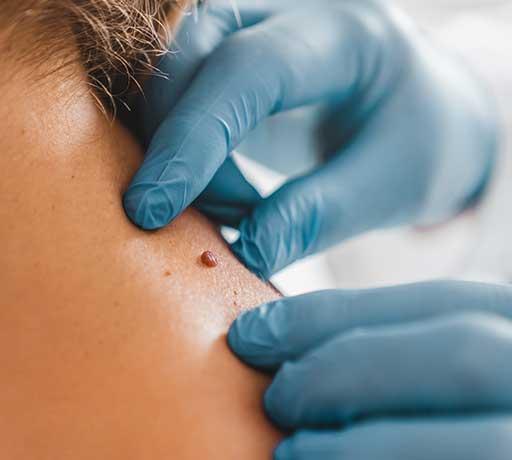

Moles are common skin growths that can vary in size, colour, shape, and texture. While many moles are harmless, some may change over time or cause discomfort because of their location. Before considering mole removal, it is important to understand the nature of the mole and determine whether removal is appropriate. A professional skin assessment helps identify visible changes, evaluate individual skin concerns, and guide the next steps.
In Dubai, people often consider Mole Removal in Dubai for cosmetic reasons, irritation, or concerns about unusual skin changes. However, removing a mole should never be based on appearance alone. A proper medical evaluation is an essential first step in making an informed decision.
Why Is a Professional Mole Assessment Important?
A mole assessment helps determine whether a skin growth requires further investigation or can be considered for removal. Not every mole needs treatment, and some should be examined more carefully before any cosmetic procedure is discussed.
During an assessment, a qualified healthcare professional considers several characteristics, including:
-
Size: Whether the mole is small, large, or has increased in size.
-
Shape: Whether its appearance is symmetrical or irregular.
-
Colour: Whether it has a consistent shade or multiple colours.
-
Borders: Whether the edges are smooth, uneven, or poorly defined.
-
Texture: Whether the mole is flat, raised, rough, or smooth.
-
Changes over time: Whether the mole has recently developed noticeable differences.
These observations help guide clinical decision-making. If a mole appears suspicious, further examination or referral to a dermatologist may be necessary before removal.
Understanding the Patient's Skin Concerns
The assessment process usually begins with understanding why the patient is considering mole removal. Some individuals are concerned about facial appearance, while others experience repeated irritation from clothing, shaving, or jewellery.
A healthcare professional may ask questions about when the mole first appeared, whether it has changed recently, and whether it causes itching, bleeding, tenderness, or discomfort.
Previous skin treatments and relevant medical history may also be discussed. This information provides useful context for evaluating the mole and determining whether additional investigation is appropriate.
Understanding the patient's concerns also helps distinguish between cosmetic expectations and medical reasons for seeking treatment.
Visual Examination of the Mole
A visual examination is an important part of the initial assessment. The healthcare professional observes the mole's appearance, location, and surrounding skin.
One commonly used approach is the ABCDE guideline, which helps identify warning signs associated with potentially concerning moles.
-
A – Asymmetry: One half of the mole looks different from the other.
-
B – Border: The edges appear irregular, blurred, or uneven.
-
C – Colour: Different colours or unusual shades appear within the same mole.
-
D – Diameter: The mole is larger than approximately 6 mm, although smaller concerning lesions can also occur.
-
E – Evolving: The mole changes in size, shape, colour, or other characteristics.
These signs do not automatically mean that a mole is cancerous. However, they indicate when professional assessment is particularly important.
Evaluating the Mole's Location and Skin Type
The location of a mole can influence the removal approach and the way the skin may heal. Moles on the face, neck, hands, and other visible areas may require additional consideration because of cosmetic expectations.
Skin type is another important factor. Different individuals may have different healing responses, pigmentation tendencies, and scar formation risks.
A professional assessment considers:
-
The thickness and texture of the surrounding skin.
-
Whether the mole is located in a sensitive area.
-
The possibility of visible scarring.
-
Existing pigmentation or skin irregularities.
-
The patient's healing history.
Considering these factors helps establish realistic expectations and supports an individualised treatment discussion.
When Is Further Medical Investigation Necessary?
Not every mole is suitable for immediate cosmetic removal. If a mole has recently changed, developed irregular features, or shows other concerning symptoms, medical investigation should take priority.
Depending on the findings, a healthcare professional may recommend dermoscopy, which uses a specialised magnifying instrument to examine structures within the skin that are not easily visible to the naked eye.
If there is concern about melanoma or another skin condition, a biopsy may be recommended. A tissue sample can then be examined under a microscope to establish a diagnosis.
It is important to understand that suspicious moles should not simply be removed using a cosmetic technique without appropriate medical evaluation. Early assessment can help identify skin conditions that require timely attention.
How Is the Appropriate Mole Removal Method Selected?
Once the mole has been assessed and considered suitable for removal, the healthcare professional can discuss possible treatment methods.
The appropriate approach depends on the type of lesion, its depth, location, and clinical characteristics.
Some commonly used methods include:
-
Surgical excision: The mole is removed using a surgical technique, and the tissue can be sent for laboratory examination.
-
Shave removal: A raised lesion may be removed by carefully shaving it at the skin surface when clinically appropriate.
-
Laser treatment: Selected benign pigmented lesions may be considered for laser treatment following proper diagnosis.
Not every method is suitable for every mole. For example, laser treatment is generally not appropriate for a lesion that requires histological examination. The choice should always be based on medical findings rather than cosmetic preference alone.
How Does Tajmeels Clinic Assess Moles Before Recommending Removal?
At tajmeels clinic dubai, mole assessment is an important part of discussing suitable treatment options. The process focuses on understanding the patient's concerns, examining the mole's visible characteristics, and considering factors such as location, size, skin type, and changes over time.
The clinic's approach involves considering individual skin needs rather than recommending the same removal method for everyone. Where a mole shows potentially concerning characteristics, appropriate medical evaluation or referral should take priority over cosmetic removal.
Patients can discuss their expectations, possible treatment approaches, healing considerations, and potential scarring during their consultation. This helps them understand the available options and make informed decisions about their skin concerns.
What Should Patients Expect After the Assessment?
After the examination, patients should receive guidance about the recommended next steps. Depending on the findings, this may involve monitoring the mole, arranging further investigation, or discussing an appropriate removal procedure.
If removal is performed, aftercare instructions are important for supporting proper healing. Patients may be advised to keep the treated area clean, follow wound-care instructions, avoid unnecessary friction, and protect healing skin from direct sunlight.
The recovery period depends on the removal technique, mole location, and individual healing response. Follow-up appointments may also be recommended to assess healing or review laboratory results when tissue has been submitted for examination.
Conclusion
A professional mole assessment is an essential step before deciding on removal. Evaluating the mole's appearance, location, size, colour, and history of changes helps determine whether cosmetic treatment is appropriate or further medical investigation is needed. Through individual skin evaluation and careful treatment planning, patients can make better-informed decisions about mole removal in Dubai.
More Information
Tajmeels Clinic Dubai
WhatsApp: +971 56 203 8751
Phone: tel:+971 43739000
Social Media:
