

Persistent Mouth Ulcers, Neck Lumps and Voice Changes: When Should You Visit a Head & Neck Cancer Specialist in Delhi?

Many serious health conditions begin with symptoms that appear ordinary. A small mouth ulcer, painless swelling in the neck, persistent sore throat or unexplained change in voice may initially seem harmless. However, when these symptoms continue for several weeks, they should not be ignored.
Head and neck cancers can develop in the oral cavity, tongue, throat, voice box, thyroid gland and salivary glands. Early symptoms are sometimes subtle, making timely medical evaluation particularly important.
Understanding the warning signs and knowing which specialist to consult can help patients take the right steps towards diagnosis and treatment.
For individuals searching for a Head & Neck Cancer Specialist in Delhi, or Head & Neck Cancer Doctor in Delhi, consulting a doctor with specialised oncology training is an important part of the diagnostic journey.
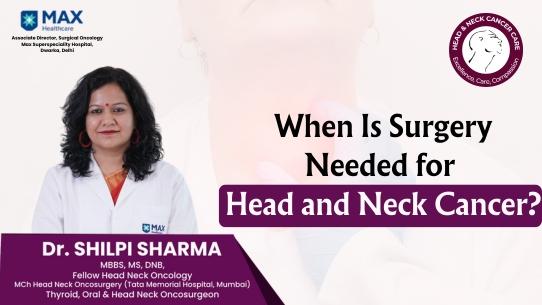
Dr. Shilpi Sharma (MBBS, MS, DNB, Fellow Head Neck Oncology, MCh Head Neck Oncosurgery, Tata Memorial Hospital, Mumbai) is a thyroid, oral and head & neck oncosurgeon with specialised training in the evaluation and surgical management of head and neck cancers.
This article explains the warning signs, diagnostic procedures, treatment considerations and importance of specialist consultation.
1. Why Should You Never Ignore Persistent Mouth Ulcers?
Mouth ulcers are common and can develop due to accidental biting, irritation, nutritional deficiencies, infections or other non-cancerous conditions. Most ordinary ulcers heal within a relatively short period.
However, an ulcer that does not heal, becomes larger, bleeds repeatedly or develops an unusual appearance requires examination.
Persistent oral ulcers can sometimes be an early sign of oral cancer.
Other symptoms that deserve attention include:
-
A red or white patch inside the mouth.
-
Persistent pain in the tongue.
-
Unexplained bleeding from the gums or oral tissues.
-
Difficulty chewing food.
-
Reduced ability to open the mouth.
-
A lump or thickening inside the cheek.
-
Persistent discomfort while swallowing.
Tobacco chewing, gutka, khaini, smoking and excessive alcohol consumption are important risk factors for oral cancer.
An Oral Cancer Specialist in Delhi can examine suspicious lesions and determine whether further investigations, including a biopsy, are required.
It is important to remember that every mouth ulcer is not cancer. However, persistent symptoms should receive appropriate medical attention rather than repeated self-medication.
2. Is Every Neck Lump a Sign of Cancer?
A lump in the neck can develop for several reasons. Enlarged lymph nodes, infections, thyroid nodules, cysts and other benign conditions can cause neck swelling.
However, certain neck lumps may also be associated with head and neck cancer.
Patients should seek medical evaluation if they notice:
-
A lump that persists or gradually increases in size.
-
A painless swelling without an obvious cause.
-
A firm or fixed swelling.
-
Multiple enlarged lymph nodes.
-
Neck swelling accompanied by difficulty swallowing.
-
A neck lump associated with persistent throat or voice symptoms.
The location of the lump can provide useful information during clinical examination.
For example, swelling at the front of the neck may be related to the thyroid gland, while swelling on the sides of the neck may involve lymph nodes or other structures.
A Neck Cancer Specialist in Delhi can evaluate the swelling and recommend appropriate diagnostic investigations.
These may include ultrasound, FNAC, CT, MRI or biopsy, depending on the clinical findings.
Early evaluation is important because a neck lump can occasionally be the first noticeable sign of an underlying head and neck malignancy.
3. Persistent Voice Changes: Could They Indicate a Head and Neck Problem?
The voice box, also known as the larynx, plays an important role in speaking and breathing.
Changes in voice can occur due to infections, vocal strain, acid reflux, inflammation and several other conditions.
However, persistent hoarseness or unexplained changes in voice should not be ignored.
Possible warning signs include:
-
Hoarseness that does not improve.
-
A weak or breathy voice.
-
Pain while speaking.
-
Difficulty swallowing.
-
Persistent throat discomfort.
-
Breathing difficulties in advanced cases.
These symptoms may require an examination of the throat and larynx.
A Head & Neck Oncology Specialist in Delhi can assess the symptoms and recommend further evaluation when necessary.
Depending on the findings, the diagnostic process may include flexible endoscopy, imaging or tissue sampling.
Early examination can help identify the cause of persistent voice changes and determine whether specialised treatment is required.
4. Understanding the Different Types of Head and Neck Cancer
Head and neck cancer is not a single disease. It includes several malignancies affecting different anatomical structures.
Understanding the location of the tumour helps determine which specialist investigations and treatments may be required.
Oral Cavity Cancer
Oral cancer can affect the tongue, lips, gums, inner cheeks, floor of the mouth and palate.
Common symptoms include non-healing ulcers, abnormal patches, unexplained bleeding and difficulty chewing.
A Best Oral Cancer Surgeon in Delhi should have relevant training in oral cavity cancer surgery and the management of surrounding structures.
Tongue Cancer
Tongue cancer may develop on the front portion or the base of the tongue.
Possible symptoms include persistent ulcers, pain, bleeding, difficulty speaking and swallowing problems.
Treatment depends on the tumour location, size, stage and involvement of surrounding tissues.
Thyroid Cancer
Thyroid cancer develops in the thyroid gland, located at the front of the neck.
Some patients discover it through a neck lump, while others have a thyroid nodule detected during an ultrasound.
A Thyroid Cancer Specialist in Delhi may recommend ultrasound, FNAC and other investigations to determine whether a thyroid nodule requires further management.
Throat Cancer
Throat cancer can affect different parts of the pharynx.
Symptoms may include persistent throat discomfort, difficulty swallowing, voice changes and neck swelling.
Laryngeal Cancer
Laryngeal cancer affects the voice box and may cause persistent hoarseness, breathing difficulties or swallowing problems.
Treatment planning considers both cancer control and preservation of important functions whenever clinically appropriate.
Salivary Gland Tumours
Salivary gland tumours can develop near the jaw, in front of the ear or beneath the jaw.
A persistent swelling in these areas requires appropriate assessment to distinguish between benign and malignant conditions.
5. How Does a Head & Neck Cancer Specialist Evaluate a Patient?
An accurate diagnosis is essential before recommending cancer treatment.
A Head & Neck Cancer Doctor in Delhi generally follows a systematic approach based on the patient's symptoms, medical history and clinical examination.
Step 1: Medical History
The doctor discusses the patient's symptoms, their duration, tobacco and alcohol exposure, previous illnesses and other relevant medical information.
Step 2: Physical Examination
The oral cavity, tongue, throat, neck, thyroid gland and relevant surrounding structures are examined.
Step 3: Endoscopic Evaluation
If required, an endoscopic examination helps visualise areas of the throat, larynx and other structures that cannot be fully examined through routine inspection.
Step 4: Imaging Investigations
Imaging helps assess the size, location and extent of a suspicious tumour.
Depending on the suspected condition, investigations may include:
-
Ultrasound.
-
Contrast-enhanced CT scan.
-
MRI.
-
PET-CT in selected cases.
Step 5: Biopsy or FNAC
A biopsy examines a tissue sample to establish whether cancer is present.
FNAC may be recommended for certain neck or thyroid swellings.
Step 6: Staging and Treatment Planning
If cancer is confirmed, additional investigations may be required to establish its stage.
The specialist then considers the findings and discusses appropriate treatment options.
6. Head & Neck Cancer Treatment in Delhi: Why Individualised Planning Matters
Two patients with the same type of cancer may require different treatments.
The treatment approach depends on several factors, including:
-
Tumour location.
-
Cancer stage.
-
Histopathological findings.
-
Lymph node involvement.
-
General health of the patient.
-
Previous cancer treatment.
-
Functional and reconstructive requirements.
Head & Neck Cancer Treatment in Delhi may involve surgery, radiation therapy, chemotherapy, targeted therapy or immunotherapy in selected cases.
Surgical Management
Head and neck cancer surgery aims to remove the tumour while achieving appropriate cancer control.
Depending on the cancer type, procedures may include:
-
Oral cancer surgery.
-
Tongue cancer surgery.
-
Thyroidectomy.
-
Neck dissection.
-
Salivary gland tumour surgery.
-
Laryngeal cancer surgery.
-
Reconstructive procedures.
A Head & Neck Cancer Surgeon in Delhi evaluates the tumour and surrounding structures before recommending an operation.
Importance of Reconstructive Surgery
Removing a tumour can sometimes create a defect involving the tongue, cheek, jaw or other structures.
Reconstructive surgery may help restore anatomical structure and improve functions such as speaking, swallowing and chewing.
The reconstruction technique depends on the extent and location of tissue removal.
Radiation and Systemic Treatment
Radiation therapy may be recommended before or after surgery or as a primary treatment for selected cancers.
Chemotherapy and other systemic treatments may also be considered according to tumour characteristics and treatment guidelines.
A multidisciplinary team helps determine the most appropriate treatment combination.
7. Why Functional Preservation Is Important During Cancer Treatment
Cancer treatment should consider more than the removal or control of the tumour.
The head and neck region is responsible for several essential functions, including:
-
Speaking and communication.
-
Chewing and eating.
-
Swallowing.
-
Breathing.
-
Facial appearance.
-
Taste and oral sensation.
Surgery and radiation can affect some of these functions depending on the treatment area.
For this reason, functional assessment and rehabilitation may form an important part of the overall treatment journey.
Patients may benefit from appropriate support from speech and swallowing therapists, dietitians, physiotherapists and other rehabilitation professionals.
Some patients require swallowing assessment, nutritional support or jaw mobility exercises under professional guidance.
Rehabilitation should be individualised and coordinated with the treating medical team.
The goal is to support recovery, maintain essential functions where possible and improve quality of life.
8. Why Choose a Specialised Head & Neck Oncosurgeon?
Head and neck cancer surgery involves complex anatomical structures. The mouth, throat, thyroid, salivary glands and neck contain important nerves, blood vessels and tissues.
A surgeon with specialised head and neck oncology training understands the importance of tumour removal, lymph node assessment and functional considerations.
When choosing a specialist, patients should evaluate:
Advanced Qualifications: Relevant postgraduate and super-speciality training in surgical oncology.
Focused Clinical Training: Experience and education in oral, thyroid and head and neck cancer management.
Diagnostic Approach: Ability to assess symptoms and recommend appropriate investigations.
Surgical Planning: Understanding of tumour removal, neck dissection and reconstruction where indicated.
Multidisciplinary Coordination: Access to appropriate oncology, pathology, radiology and rehabilitation services.
Patient Communication: Clear explanations of diagnosis, treatment choices, risks and follow-up.
These factors can help patients make informed decisions when looking for a Head & Neck Oncosurgeon in Delhi.
9. Meet Dr. Shilpi Sharma – Thyroid, Oral and Head & Neck Oncosurgeon
Dr. Shilpi Sharma is a specialised thyroid, oral and head & neck oncosurgeon with advanced training in head and neck oncology.
Her qualifications include:
-
MBBS
-
MS
-
DNB
-
Fellowship in Head Neck Oncology
-
MCh Head Neck Oncosurgery, Tata Memorial Hospital, Mumbai
Her specialised clinical interests include the evaluation and surgical management of oral cancer, thyroid cancer and other head and neck tumours.
Her advanced training at Tata Memorial Hospital, Mumbai, provides a specialised academic and clinical foundation in head and neck surgical oncology.
Patients seeking a Head & Neck Cancer Specialist in Delhi NCR can explore her professional profile and consultation information through her official website.
Areas of clinical focus:
-
Oral cancer surgery.
-
Tongue cancer management.
-
Thyroid cancer surgery.
-
Head and neck tumour surgery.
-
Neck dissection.
-
Salivary gland tumour management.
-
Selected reconstructive procedures.
For patients looking for a Head & Neck Cancer Surgeon in Delhi, reviewing a doctor's qualifications, relevant training and proposed treatment approach is an important step before deciding on care.
10. Why Patients Should Not Delay Specialist Consultation
One of the common problems in cancer diagnosis is the delay between noticing symptoms and seeking medical attention.
Some patients repeatedly use home remedies for persistent ulcers. Others assume that a neck lump is simply an infection or that voice changes will resolve automatically.
While many such symptoms are caused by non-cancerous conditions, persistent or unexplained changes require medical assessment.
Consider scheduling a specialist evaluation if you notice:
-
A mouth ulcer that does not heal.
-
A persistent neck lump.
-
Unexplained thyroid swelling.
-
Difficulty swallowing.
-
Persistent hoarseness.
-
Unexplained oral bleeding.
-
A growing swelling around the jaw.
-
A red or white patch inside the mouth.
Early evaluation does not mean that cancer is necessarily present. It helps identify the cause and determine whether further treatment is needed.
Frequently Asked Questions
1. Which doctor should I consult for head and neck cancer in Delhi?
Patients with suspected head and neck cancer should consult a specialist trained in head and neck surgical oncology. The specialist can evaluate suspicious symptoms, arrange appropriate investigations and discuss treatment options.
2. Who is the Best Head & Neck Cancer Surgeon in Delhi?
Patients should compare specialised qualifications, oncology training, surgical experience and treatment facilities. Dr. Shilpi Sharma has MCh training in Head Neck Oncosurgery from Tata Memorial Hospital, Mumbai, along with a fellowship in Head Neck Oncology.
3. When should I visit an Oral Cancer Specialist in Delhi?
Consult an oral cancer specialist if you have a persistent mouth ulcer, unexplained bleeding, red or white patches, tongue swelling or difficulty opening your mouth.
4. Can a painless neck lump be cancerous?
Yes. Some cancers involving the thyroid or lymph nodes may initially present as painless swelling. However, many neck lumps are benign. Medical evaluation is necessary to establish the cause.
5. How is thyroid cancer detected?
Thyroid cancer evaluation may involve clinical examination, ultrasound, FNAC and other investigations based on the findings.
6. Is head and neck cancer surgery complicated?
The complexity depends on the tumour location, size, stage and involvement of nearby structures. Some procedures are relatively limited, while advanced cancers may require extensive surgery and reconstruction.
7. Is treatment available for head and neck cancer in Delhi NCR?
Yes. Patients can access specialised diagnostic and treatment services in Delhi NCR. The appropriate treatment depends on the cancer type, stage and individual medical condition.
8. Does every patient with oral cancer need surgery?
No. Treatment depends on the tumour type, location and stage. Surgery, radiation therapy, systemic treatment or combinations may be recommended depending on the individual case.
Conclusion: Recognise the Signs and Seek Expert Evaluation
Persistent mouth ulcers, unexplained neck lumps and voice changes should never be overlooked. Although these symptoms can occur due to non-cancerous conditions, they sometimes indicate an underlying head and neck malignancy.
Timely evaluation, accurate diagnosis and individualised treatment planning are essential parts of cancer care.
If you are searching for the Best Head & Neck Cancer Surgeon in Delhi, Head & Neck Cancer Specialist in Delhi NCR, Oral Cancer Specialist in Delhi or Thyroid Cancer Specialist in Delhi, consider consulting a surgeon with specialised oncology training.
Dr. Shilpi Sharma, with advanced training in Head Neck Oncosurgery from Tata Memorial Hospital, Mumbai, focuses on thyroid, oral and head and neck oncology.
Know the Signs. Don't Ignore Persistent Symptoms. Seek Early Evaluation.
