

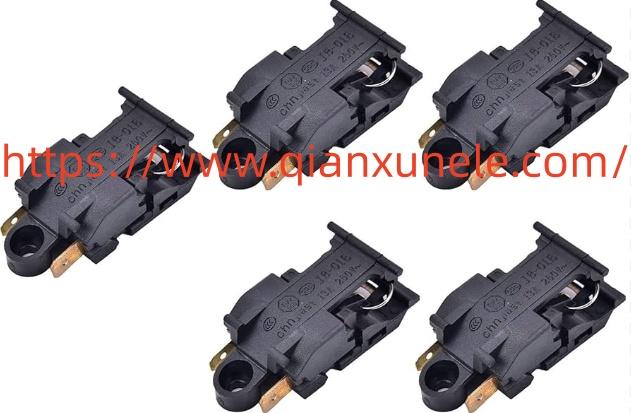

Kettlet Thermostat Coupling selection should begin with a clear understanding of the kettle model, internal structure, and intended operating conditions. For purchasing teams and appliance manufacturers, choosing a component involves more than comparing product photographs or prices. The connection arrangement, installation dimensions, electrical specifications, and compatibility with the heating system all need careful consideration. Preparing these details before contacting a manufacturer can make product evaluation more practical and reduce unnecessary changes during development.
Identify the Intended Kettle Model
Before requesting a quotation, buyers should identify the type of appliance in which the component will be installed. Capacity, heating arrangement, base construction, and internal layout can influence the required configuration.
A component designed for one kettle model may not fit another, even when the external appearance seems similar. Buyers should prepare photographs, technical drawings, or samples of the existing assembly. These materials help the manufacturer understand the connection position and surrounding structure.
It is also useful to explain whether the project involves a new design, an updated model, or replacement parts for an existing product. Each situation may require a different evaluation approach.
Examine the Two-Piece Structure
A two-piece arrangement requires attention to how the separate parts connect and function within the appliance. Buyers should confirm the dimensions, mounting positions, contact arrangement, and relationship between the upper assembly and the base connection.
The two sections should be reviewed as parts of the same system rather than independent items. Their mechanical interfaces need to correspond with the kettle body and base design. If the parts come from different suppliers, buyers should pay particular attention to dimensional tolerances and connection compatibility.
Before confirming an order, request drawings or samples that represent the intended configuration. This makes it easier for engineering teams to review the assembly and identify possible fitting concerns.
Compare Electrical Ratings
Electrical specifications should be checked against the actual requirements of the appliance. Important details include rated voltage, current, frequency, contact resistance, insulation resistance, and withstand voltage.
Buyers should not assume that a configuration suitable for one kettle model will automatically meet the requirements of another. Different heating capacities and circuit arrangements may involve different electrical conditions.
If the product will be supplied to different markets, confirm the applicable electrical requirements for each destination. The intended appliance design and relevant compliance requirements should guide the final specification. Asking the manufacturer for a detailed specification sheet can also help purchasing teams compare available configurations.
Review Operating Temperature and Protection
Temperature settings are important when evaluating a component used in an electric kettle. Buyers should confirm the required operating range, protection setting, and reset arrangement according to the appliance design.
These values should be considered alongside the heating element, kettle capacity, and expected operating cycle. A mismatch between the selected settings and the actual application may affect the intended control process.
Purchasing teams should ask how the product responds during normal heating and under abnormal operating conditions. Relevant test information can help engineers assess whether the proposed configuration matches the appliance protection strategy.
Check Materials and Working Conditions
The component operates in an environment where heat, electrical contact, and repeated handling need to be considered together. Buyers should ask about housing materials, conductive materials, insulation characteristics, and supported operating conditions.
Material information should be checked against the expected environment around the heating assembly. The design should also account for moisture exposure, installation position, and nearby components.
Rather than relying only on a general material description, request relevant specifications or supporting test information. This gives the engineering team a clearer basis for reviewing suitability before approving a sample.
Evaluate Samples Before Bulk Orders
Sample evaluation allows buyers to move from document review to practical inspection. The sample should be installed in a representative kettle structure so that engineers can check fit, alignment, contact engagement, and interaction with related components.
A useful evaluation plan should identify the measurements and operating conditions that need to be checked. Buyers may review mechanical fitting, electrical characteristics, temperature response, and repeated connection behavior according to their internal testing requirements.
Any issue found during evaluation should be recorded with photographs, measurements, or test observations. Sharing specific feedback helps the manufacturer understand whether an adjustment to dimensions, materials, or configuration is needed.
Confirm Manufacturing and Order Details
Once the technical configuration has been reviewed, purchasing teams should discuss production details. Relevant topics include order quantity, sample approval, inspection arrangements, packaging, delivery schedules, and documentation.
For customized projects, provide a clear list of required changes and distinguish essential specifications from optional preferences. This can help the manufacturer assess the feasibility of the request and communicate any design considerations before production planning begins.
qianxunele offers two-piece kettle coupler options with different model configurations for appliance applications. Buyers can discuss product specifications, sample evaluation, and OEM requirements with the company before confirming a purchasing plan. Clear communication between engineering and purchasing teams can also help maintain consistency when moving from initial samples to repeat orders.When comparing suppliers, consider their ability to understand the appliance structure, explain product specifications, respond to technical questions, and coordinate manufacturing details. These factors can help buyers make a more informed sourcing decision. To review available products or discuss a specific project, visit https://www.qianxunele.com/
