

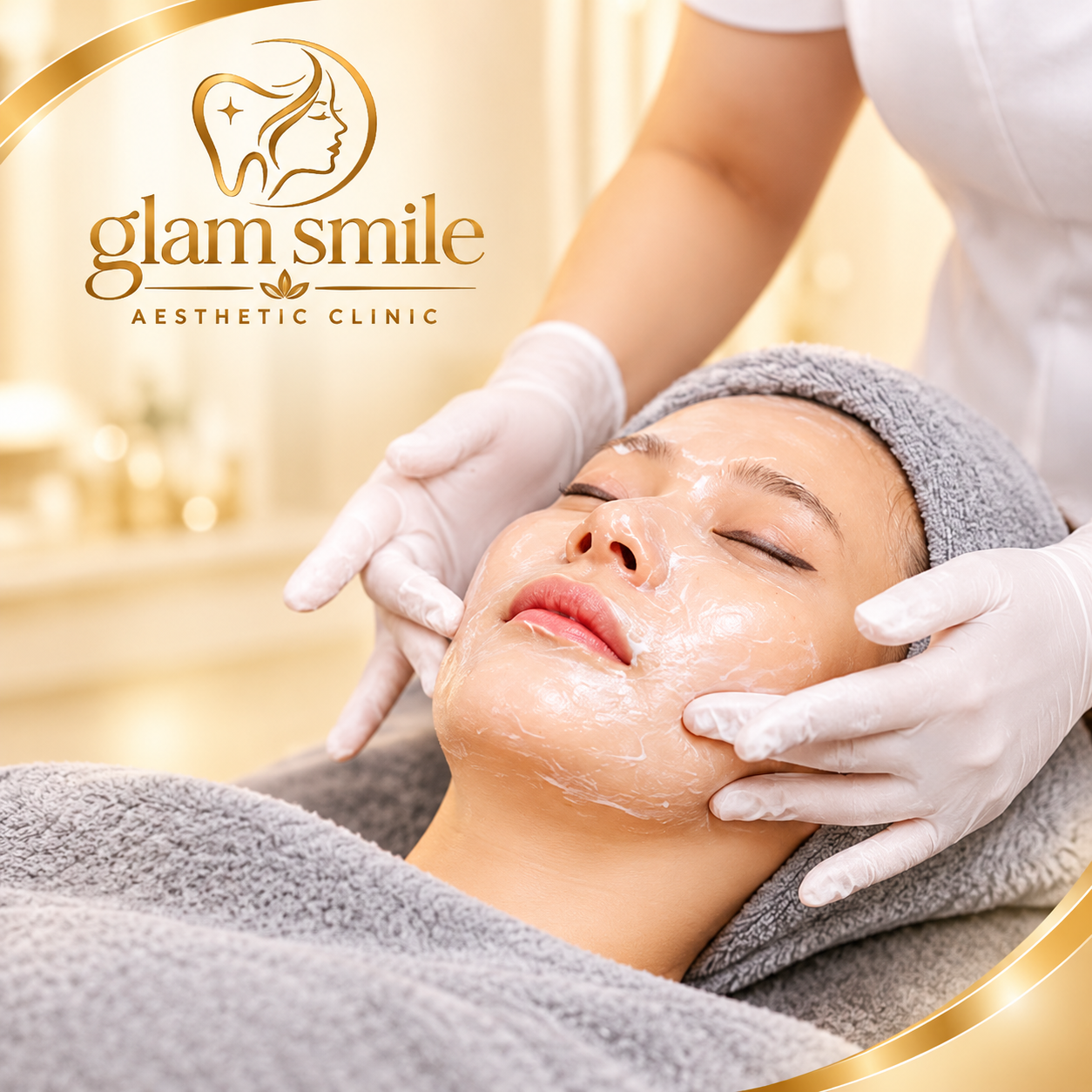

Healthy, radiant skin is something many people desire, especially when they experience uneven skin tone, tanning, dark patches, or dullness across different parts of the body. Full-body skin brightening treatments can help improve skin texture, reduce the appearance of pigmentation, and create a more even-looking complexion.Choosing the right treatment depends on your skin type, pigmentation concerns, lifestyle, and desired results. Professional guidance is important to ensure that the selected approach is safe and suitable.For individuals considering Skin Whitening in Islamabad, understanding the available treatments and their benefits can help them make informed decisions about achieving healthier-looking, brighter skin.
What Is Full Body Skin Brightening?
Full-body skin brightening refers to cosmetic treatments and skincare approaches designed to improve uneven skin tone, reduce visible pigmentation, and enhance the overall appearance of the skin. These treatments do not necessarily change a person's natural skin colour. Instead, they focus on addressing concerns such as sun damage, tanning, dark spots, and hyperpigmentation.Skin brightening can involve professional procedures, topical products, and daily skincare habits. The best approach depends on the underlying cause of discoloration and the individual's skin condition.
What Are the Best Treatments for Full Body Skin Brightening?
Several professional and at-home options can help improve skin brightness. A dermatologist can recommend an appropriate treatment after examining the skin and identifying the cause of pigmentation.
Chemical Peels
Chemical peels are popular treatments for improving uneven skin tone and dullness. They involve applying a carefully selected chemical solution to exfoliate the outer layers of the skin.Depending on the formulation and concentration, chemical peels may help:
-
Reduce the appearance of dark spots.
-
Improve uneven pigmentation.
-
Remove accumulated dead skin cells.
-
Enhance skin texture and smoothness.
-
Improve the appearance of sun-damaged skin.
Different body areas may require different peel strengths. Professional assessment is essential to reduce the risk of irritation and post-inflammatory pigmentation.
Laser Skin Treatments
Laser treatments use controlled light energy to target specific skin concerns, including certain types of pigmentation and sun damage.
Depending on the laser technology, these procedures may help improve:
-
Dark spots and sun-induced pigmentation.
-
Uneven skin tone.
-
Selected forms of discoloration.
-
Overall skin appearance and texture.
Not every laser treatment is suitable for every skin tone. Individuals with darker complexions may have a higher risk of pigmentation changes if inappropriate settings or technologies are used. Therefore, treatment should always be selected by an experienced professional.
Glutathione Treatments
Glutathione is an antioxidant naturally produced by the body. It is also marketed in some cosmetic settings for skin-brightening purposes.However, evidence supporting glutathione as a reliable full-body skin-lightening treatment remains limited. Injectable and intravenous glutathione products may carry risks, including allergic reactions and other adverse effects. Their safety and effectiveness for cosmetic skin whitening are not well established.It is important to consult a qualified medical professional before considering these products rather than relying on promotional claims.
Medical-Grade Brightening Creams
Topical skincare products can help manage pigmentation and improve skin appearance when selected according to individual needs.
Common ingredients include:
-
Vitamin C: Helps protect against oxidative damage and supports a brighter-looking complexion.
-
Niacinamide: Can help reduce the appearance of uneven pigmentation and support the skin barrier.
-
Azelaic Acid: May improve certain types of dark spots and post-inflammatory pigmentation.
-
Kojic Acid: Helps reduce excess melanin production.
-
Retinoids: Encourage skin cell turnover and may improve some pigmentation concerns.
Some prescription ingredients require medical supervision. Avoid unregulated whitening creams containing mercury or potent corticosteroids, as they can cause serious skin damage.
What Factors Affect the Choice of Skin Brightening Treatment?
There is no single treatment that works best for everyone. Several factors influence which approach is appropriate.
Skin Type and Tone: Sensitive, dry, oily, and darker skin types may respond differently to brightening procedures.
Type of Pigmentation: Tanning, melasma, post-inflammatory hyperpigmentation, and age spots may require different treatment strategies.
Treatment Area: The face, arms, legs, back, and other body areas can have different skin characteristics and sensitivities.
Medical History: Existing skin conditions, allergies, medications, and previous cosmetic procedures should be considered before treatment.
Expected Results: Some treatments improve skin appearance gradually, while others may require multiple sessions and ongoing maintenance.
How Can You Maintain Brighter and Healthier Skin?
Professional procedures are only one part of an effective skin-brightening routine. Consistent skincare habits can help maintain improvements and prevent further pigmentation.
Use Sunscreen Regularly
Sun exposure is a major contributor to tanning and uneven pigmentation. Apply broad-spectrum SPF 30 or higher sunscreen to exposed areas and reapply when necessary, especially during prolonged outdoor activities.
Follow a Gentle Skincare Routine
Use mild cleansers and moisturisers to maintain the skin barrier. Avoid excessive exfoliation, harsh scrubs, and products that cause burning or irritation.
Stay Hydrated
Drinking sufficient water supports normal body functions and overall skin health. Moisturising regularly also helps maintain smooth and comfortable skin.
Avoid Unregulated Whitening Products
Products promising immediate or permanent whitening may contain unsafe ingredients. Always check product formulations and seek professional advice before using strong skin-lightening products.
Are Full Body Skin Brightening Treatments Safe?
Most professionally selected skin-brightening treatments can be performed safely when appropriate techniques and precautions are followed. However, every procedure has potential risks.Chemical peels may cause temporary redness, dryness, peeling, or irritation. Laser procedures can sometimes result in burns, scarring, or changes in pigmentation. Incorrectly used topical products may also damage the skin barrier.A consultation before treatment helps identify potential risks and determine whether a particular procedure is suitable. A patch test may also be recommended, especially for individuals with sensitive skin or a history of allergic reactions.It is important to understand that the goal should be healthier, more even-toned skin rather than changing your natural complexion.
Why Choose Professional Skin Brightening Treatments?
Professional skin treatments offer the advantage of individual assessment, appropriate product selection, and controlled procedures. An experienced dermatologist or qualified skin professional can identify the underlying cause of pigmentation and recommend a suitable treatment plan.At Glam Smile Clinic, individuals interested in improving their skin appearance can seek professional guidance about available cosmetic options. A personalised approach helps ensure that treatment choices consider skin type, existing concerns, and individual expectations.Professional advice is particularly important when pigmentation is widespread, persistent, or accompanied by itching, inflammation, or sudden changes in the skin.
Frequently Asked Questions
How Long Does Full Body Skin Brightening Take?
The timeline depends on the treatment method and the severity of pigmentation. Some people notice gradual improvements over several weeks, while others may require multiple treatment sessions and continued skincare.
Can Full Body Skin Brightening Remove Tanning?
Certain treatments, including selected chemical peels and topical brightening products, can help improve tanning and uneven pigmentation. Sun protection is essential to prevent tanning from returning.
Is Laser Treatment Suitable for All Skin Types?
No. Different laser technologies are suitable for different skin types and pigmentation concerns. A professional assessment is necessary to select an appropriate option and minimise complications.
Are Skin Brightening Results Permanent?
Results are not always permanent. Sun exposure, hormonal changes, ageing, and certain skin conditions can cause pigmentation to return. Regular skincare and sun protection help maintain improvements.
Can I Combine Different Skin Brightening Treatments?
Some treatments can be combined under professional supervision. However, combining procedures without proper assessment may increase irritation and pigmentation risks. A customised treatment plan is recommended.
Conclusion
The best treatment for full-body skin brightening depends on individual skin concerns, natural skin tone, and treatment goals. Chemical peels, selected laser procedures, and medical-grade topical products can help improve uneven pigmentation and promote a healthier-looking complexion. However, no single method is suitable for everyone, and results require realistic expectations and consistent skincare.Anyone considering professional Skin Whitening in Islamabad should prioritise medically appropriate treatments, qualified guidance, and long-term skin health. Glam Smile Clinic can be a starting point for exploring suitable cosmetic skin-care options and understanding which approach may best address individual concerns.
