

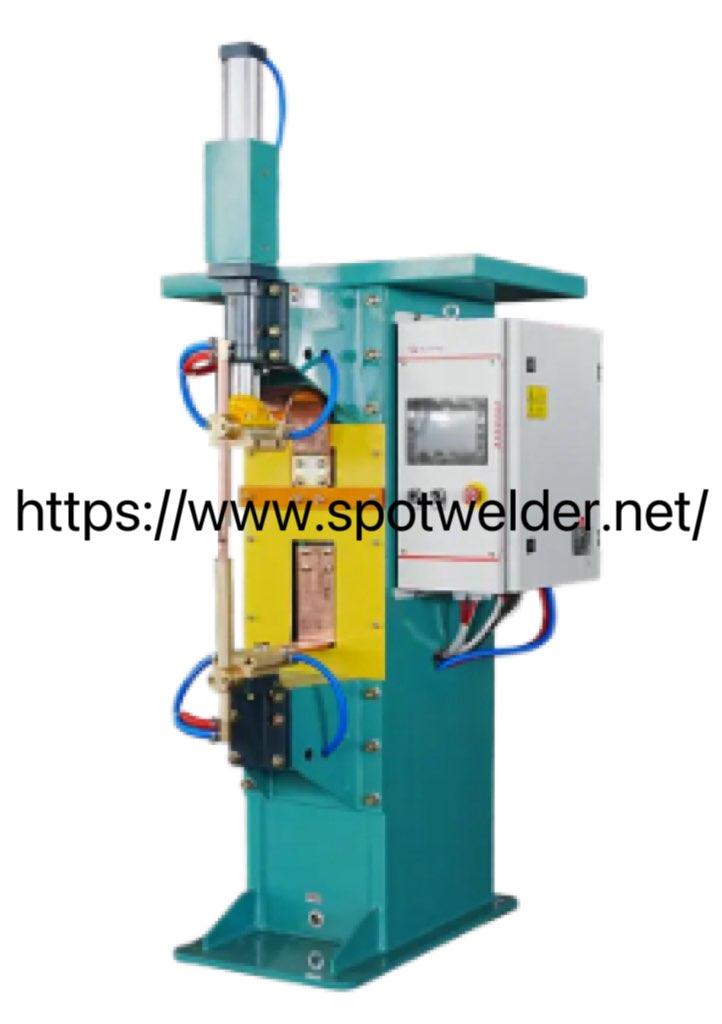

Spot Welder selection should begin with the actual materials and joints that a workshop needs to process. Buyers should prepare information about metal grades, sheet thickness, number of layers, coating conditions, joint locations, and expected production volume before requesting a quotation. The right configuration depends on how these factors work together. Instead of comparing machines only through a single power figure, purchasing teams should evaluate current requirements, electrode force, access, controls, cooling, and production conditions as one complete system.
Start With Material and Thickness
Material selection is one of the first points buyers should clarify. Steel, stainless steel, aluminum, coated sheets, and other metals can respond differently to resistance heating. Surface coatings may also influence contact conditions and electrode wear.
Prepare a material list that includes the grade and thickness of every layer. A two-sheet joint and a three-sheet joint can require different settings even when the total thickness appears similar. Buyers should also explain whether the surfaces are coated, painted, plated, or treated.
Providing actual material samples can make technical discussions more useful. A supplier can then assess whether the proposed configuration is suitable for the intended application and discuss a practical test procedure before production.
Check Current, Force, and Weld Time Together
Welding current, electrode force, and weld time work as a combined process. Changing one parameter can affect the behavior of the joint, so buyers should avoid judging equipment from current capacity alone.
Ask the supplier about usable current under the intended working conditions. Also check the available clamping force with the selected arms and electrodes. A published figure may not represent the same conditions as the actual production setup.
Weld time should be considered as well. The control system should allow operators to establish repeatable settings for the selected material and joint. For production applications, stored programs can help operators maintain consistent process settings between different jobs.
Measure Electrode Access Before Ordering
A machine may have suitable electrical specifications but still be unsuitable if its electrodes cannot reach the required weld locations. Buyers should measure the distance from the material edge to each weld point, along with flange height and surrounding obstructions.
Arm length, electrode shape, throat depth, and opening dimensions can all affect accessibility. Longer arms may change available force and electrical performance, so buyers should request specifications for the actual configuration being considered.
For large assemblies, a suspended gun or movable welding setup may be more practical than bringing the entire workpiece to a fixed machine. The choice should reflect component size, operator movement, and production layout.
Review the Control System
The controller manages important parts of the welding sequence. Buyers should check how current, timing, force-related functions, stored programs, and fault indications are handled.
For repeated production, programmable settings can simplify job changes. Operators may need different schedules for different materials, thickness combinations, or product models. A controller that supports multiple programs can help organize these requirements.
It is also worth asking whether the system provides current monitoring or other process feedback. Such functions can help operators identify changes during production, although actual weld quality should still be verified through an appropriate testing method.
Consider Cooling and Production Frequency
Cooling requirements become increasingly important when equipment performs repeated welding cycles. Buyers should ask whether water cooling is required for electrodes, arms, transformers, or other components.
Production frequency should be calculated from the actual workflow. Estimate the number of welds per hour, the length of each production run, and the expected operating schedule. This information can help determine whether the proposed cooling arrangement and machine capacity fit the workload.
A machine intended for occasional fabrication may have different requirements from equipment operating continuously on a production line. Buyers should therefore provide realistic production figures rather than relying only on an estimated daily output.
Examine Electrodes and Replacement Parts
Electrode condition can affect weld consistency over time. Tip shape, contact area, alignment, and surface contamination may influence how current enters the material.
Ask about compatible electrode materials, shapes, sizes, dressing procedures, and replacement intervals. Buyers should also check the availability of holders, arms, cables, adaptors, and other wear-related components.
Keeping suitable spare parts available can make routine maintenance easier. It is useful to request a recommended spare-parts list together with the equipment quotation so purchasing teams can plan future maintenance requirements.
Confirm Testing and Acceptance Criteria
Before placing an order, buyers should discuss how the equipment will be tested. A practical test can use the same material, thickness, tooling, and joint arrangement expected in production.
The acceptance process should specify which dimensions or performance characteristics will be checked. Buyers may also request sample welds for inspection before shipment.
Visual appearance alone does not establish weld strength. Depending on the application, destructive tests such as peel or tear testing may be appropriate for verifying the resulting joint.
Clear acceptance criteria give both sides a shared reference. They can also make communication easier when adjustments are needed before final delivery.
Review Installation and Supplier Support
The purchasing process should include electrical requirements, compressed air, cooling water, floor space, ventilation, and operator access. Confirm these conditions before shipment so the workshop can prepare the installation area.
Buyers should also ask about manuals, commissioning, operator training, warranty terms, replacement components, and technical assistance. These details can affect how smoothly the equipment is introduced into an existing production process.spotwelder provides resistance welding equipment for applications involving materials such as copper, aluminum, iron, and stainless steel, with different equipment categories and customized configurations available for varied production requirements.For buyers preparing a new project, sharing drawings, material information, sample parts, target production rates, and available workshop utilities can help create a more specific equipment discussion. To review product options and manufacturing information, visit https://www.spotwelder.net/product/
