


A successful Hair Transplant in Dubai depends on more than identifying areas affected by hair loss. The donor area also plays an important role because it provides the hair follicles needed to improve coverage in thinning or bald regions. Before recommending a hair transplant, specialists need to evaluate the donor area's density, hair quality, scalp condition, and long-term suitability.
Understanding these factors helps create a treatment plan that considers both current hair loss and future hair needs. A careful donor area assessment also helps establish realistic expectations and supports a balanced, natural-looking outcome.
What Is the Donor Area in Hair Transplant?
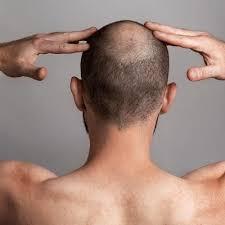
The donor area is the part of the scalp from which healthy hair follicles are collected during a hair transplant procedure. It is commonly located at the back and sides of the head, where hair is often more resistant to the effects of androgenetic hair loss.
These follicles may be transferred to areas experiencing thinning, receding hairlines, or baldness. However, not everyone has the same donor hair characteristics. Some individuals have naturally dense hair, while others have limited follicle availability.
For this reason, evaluating the donor area is an essential step before selecting a suitable hair restoration approach.
Important Donor Area Factors Considered During Assessment
1. Donor Hair Density
Hair density refers to the number of hair follicles available within a specific area of the scalp. Higher donor density may provide more options for follicle extraction, while lower density can limit the number of grafts that can be safely collected.
Specialists assess donor density to understand how much coverage may be achievable without making the donor area appear noticeably thinner. This evaluation also helps determine whether the patient's expectations are realistic.
2. Hair Thickness and Calibre
The thickness of individual hair strands can influence the visual appearance of hair coverage. Thicker hair shafts may provide greater coverage than finer strands, even when the number of transplanted follicles is similar.
During assessment, specialists consider hair calibre to estimate how the transplanted hair may contribute to the overall appearance of density.
People with fine hair may still be suitable candidates, but their treatment plans may require different graft distribution and coverage expectations.
3. Scalp Condition and Skin Health
A healthy scalp provides an important foundation for hair transplant planning. Specialists examine the donor area's skin for irritation, inflammation, scarring, infections, or other conditions that may affect the procedure.
Existing scalp concerns should be identified before treatment. If a medical condition requires attention, it may be necessary to address it before proceeding with surgery.
The scalp's condition also helps specialists evaluate whether the proposed extraction areas are appropriate.
4. Donor Area Size and Availability
The size of the donor area determines how much space is available for harvesting follicles. However, a larger donor area does not automatically mean that more grafts can be safely extracted.
Specialists examine the distribution of healthy hair across the back and sides of the scalp. They also consider how much hair should remain to maintain a natural appearance after extraction.
This helps prevent excessive harvesting and supports long-term donor area management.
5. Hair Growth Direction and Pattern
Hair does not grow in exactly the same direction across every part of the scalp. Its natural angle, direction, and pattern are important considerations during follicle extraction.
Understanding these characteristics helps specialists plan an appropriate extraction approach. It also helps preserve the natural appearance of the remaining donor hair.
6. Hair Loss Pattern and Future Progression
Hair loss may continue even after a transplant. Therefore, specialists should evaluate the patient's current hair loss pattern and consider the possibility of future thinning.
For example, someone experiencing early hairline recession may develop additional hair loss around the crown over time.
Donor hair is limited, so planning should consider both present restoration needs and potential future treatment requirements. This supports a more sustainable approach to hair restoration.
7. Donor Hair Quality and Follicular Characteristics
Not all hair follicles contain the same number of hair strands. Some follicular units naturally contain one hair, while others may contain two, three, or more.
Specialists consider these differences when estimating the potential coverage provided by available grafts.
Hair texture, curl pattern, and colour contrast between the hair and scalp can also influence the visual density of the final result.
Why Is Donor Area Assessment Important Before Hair Transplant?
Donor area assessment helps determine whether enough suitable follicles are available for the intended restoration. Without proper evaluation, excessive extraction may create visible thinning or an uneven appearance in the donor region.
A detailed assessment can help with:
-
Estimating the availability of suitable hair grafts.
-
Identifying areas appropriate for follicle extraction.
-
Understanding individual hair characteristics.
-
Reducing the risk of overharvesting.
-
Planning natural-looking hair coverage.
-
Setting realistic expectations about possible outcomes.
It also allows specialists to discuss whether a hair transplant is appropriate or whether alternative hair loss management options should be considered.
How Does Tajmeels Clinic Evaluate the Donor Area?
At tajmeels clinic dubai, donor area assessment is an important part of personalised hair transplant planning. The evaluation considers factors such as hair density, follicular characteristics, scalp health, donor area availability, and the individual's hair loss pattern.
The assessment also considers the patient's restoration goals and whether the available donor hair can support the desired coverage. Based on these findings, the treatment approach can be discussed according to individual suitability.
Patients can use the consultation to understand the proposed procedure, expected recovery, possible limitations, and the importance of protecting donor hair for long-term results.
Can a Weak Donor Area Affect Hair Transplant Eligibility?
Yes. A donor area with limited density, poor hair quality, extensive scarring, or an unstable hair loss condition may affect eligibility for hair transplant surgery.
However, having a less dense donor area does not automatically mean that transplantation is impossible. Suitability depends on the complete clinical assessment, including the number of available grafts and the patient's restoration requirements.
In some cases, specialists may recommend treating underlying scalp conditions or exploring alternative approaches before considering surgery.
What Should You Ask During a Donor Area Consultation?
Before undergoing hair restoration, patients should understand how their donor area will be evaluated and how the findings influence treatment planning.
Useful questions include:
-
How many grafts may be safely available?
-
Is my donor hair density suitable for transplantation?
-
Could extraction create visible thinning?
-
How might future hair loss affect my results?
-
What level of coverage can I realistically expect?
-
How will my donor area be managed during recovery?
Clear communication helps patients make informed decisions and develop realistic expectations.
Conclusion
Donor area assessment is one of the most important stages of hair transplant planning. Factors such as hair density, thickness, scalp health, follicular characteristics, and future hair loss progression all influence treatment suitability. A detailed evaluation helps specialists plan follicle extraction carefully while maintaining the appearance of the donor region. Understanding these factors allows patients to approach hair restoration with realistic expectations and greater confidence.
More Information
Tajmeels Clinic Dubai
WhatsApp: +971 56 203 8751
Phone: tel:+971 43739000
Social Media:
