

Do You Need Sunscreen with Glycolic and Azelaic Acid? Protecting Exfoliated Skin in Pakistan

Yes, you need sunscreen every day when using glycolic acid or azelaic acid. Glycolic acid makes the skin more sensitive to the sun, increasing the risk of sunburn, tanning and new pigmentation. Azelaic acid does not usually increase sun sensitivity in the same way, but it is used to treat acne marks, melasma and uneven tone, and sun exposure can quickly undo that progress. In Pakistan’s strong sun, a broad-spectrum sunscreen of SPF 30 to 50, ideally a tinted mineral formula for brown skin, applied generously and reapplied through the day, is essential for both safety and results.
Glycolic acid and azelaic acid are two of the most popular ingredients for brighter, clearer and more even skin in Pakistan. People use them to fight dullness, tanning, acne marks and melasma. But many skip sunscreen or apply it only occasionally, and then wonder why their dark spots are not fading or why their skin feels sensitive and blotchy. This guide explains why sunscreen is non-negotiable with these ingredients and how to protect your skin properly.
How Glycolic Acid Affects Your Skin
Glycolic acid is an alpha hydroxy acid, usually derived from sugarcane. It loosens the bonds between dead skin cells so they shed more easily, revealing fresher skin underneath. This is what makes it so effective for dullness, rough texture, tanning and mild dark spots.
Why Glycolic Acid Increases Sun Sensitivity
The outer layer of dead skin cells offers some natural protection. When glycolic acid removes this layer, the fresher skin underneath is more exposed to UV rays. Research has shown that AHAs can increase the skin’s sensitivity to sunburn. This effect can continue for some time after you stop using the product, so sun protection remains important even during breaks from exfoliation.
What Happens Without Sunscreen
Using glycolic acid without sunscreen can lead to sunburn, more tanning, new dark spots and uneven tone. On medium and deep skin tones, which are common in Pakistan, sun exposure on freshly exfoliated skin can trigger pigmentation that takes months to fade. In other words, skipping sunscreen can leave your skin darker and patchier than before you started.
How Azelaic Acid Affects Your Skin
Azelaic acid is a naturally occurring acid found in grains such as wheat and barley. It slows excess melanin production, reduces acne bacteria and calms inflammation. It is widely used for acne, post-acne marks, melasma and redness.
Does Azelaic Acid Cause Sun Sensitivity?
Unlike glycolic acid, azelaic acid is not mainly an exfoliant and does not usually make the skin significantly more sensitive to the sun. However, this does not mean you can skip sunscreen.
Why Sunscreen Still Matters with Azelaic Acid
Azelaic acid is mainly used to treat pigmentation. Sunlight is one of the biggest triggers of pigmentation, especially in brown skin. Every time unprotected skin is exposed to the sun, pigment cells are stimulated to produce more melanin. This works directly against azelaic acid, slowing or reversing your progress on dark spots and melasma.
Without sunscreen, azelaic acid may seem like it is not working, when in reality the sun is creating new pigmentation as fast as the treatment fades the old.
Why Pakistan’s Sun Makes Protection Essential
Pakistan receives strong sunlight for most of the year. Summers in cities such as Karachi, Lahore, Multan, Hyderabad and Sukkur are long and intense, and UV levels remain significant during winter. Many people are exposed during commutes, outdoor work, errands and time near windows.
Heat can also worsen pigmentation and melasma, even without direct sun. Combined with dust and pollution, this creates a demanding environment for exfoliated or treated skin.
For brown skin, visible light is another factor. Research has shown that visible light can trigger and deepen pigmentation in medium and deep skin tones. Most untinted sunscreens offer limited protection against visible light, which is why tinted sunscreens with iron oxides are especially helpful.
Choosing the Right Sunscreen
Broad-Spectrum Protection
Choose a sunscreen labelled broad-spectrum, meaning it protects against both UVA and UVB rays. UVA contributes to tanning and pigmentation, while UVB causes sunburn.
SPF 30 to 50
SPF 30 is the minimum for daily use when using glycolic or azelaic acid. SPF 50 is useful if you spend long hours outdoors or are treating stubborn pigmentation.
Tinted Mineral Sunscreen for Brown Skin
Tinted mineral sunscreens use zinc oxide or titanium dioxide for UV protection and iron oxides for tint. The iron oxides help block visible light and remove the white cast that untinted mineral sunscreens can leave on brown skin. For people treating melasma or acne marks, this added protection can make a noticeable difference.
Gentle on Freshly Exfoliated Skin
Mineral filters are generally gentle and less likely to sting, which is helpful when the skin is slightly more sensitive after exfoliation. A fragrance-free formula is usually the safest choice.
Texture That Suits Your Skin
Oily skin does best with lightweight, matte, non-comedogenic textures. Dry skin may prefer hydrating formulas. Choose a texture you will enjoy wearing every day.
How to Build a Routine with Glycolic Acid, Azelaic Acid and Sunscreen
Morning Routine
Wash your face with a gentle cleanser. You can apply azelaic acid in the morning if you prefer, or use niacinamide for oil control and tone. Follow with a light moisturiser, then finish with a broad-spectrum sunscreen of SPF 30 to 50.
Night Routine
Use glycolic acid at night, two to four nights a week, on clean, dry skin. On other nights, use azelaic acid. Follow both with moisturiser. Avoid using glycolic acid and azelaic acid on the same night when you are starting out, and avoid combining them with retinol or strong salicylic acid.
Why Glycolic Acid Belongs at Night
Using glycolic acid at night gives your skin time to recover before sun exposure the next day. Even so, sunscreen the following morning is essential.
How to Apply Sunscreen Properly
Use Enough Product
Apply about two finger lengths or a quarter teaspoon for the face and neck. Using too little greatly reduces protection.
Apply as the Last Step of Your Morning Routine
Let your moisturiser absorb for a minute, then apply sunscreen evenly across the face, neck, ears and hairline.
Reapply Through the Day
Reapply every two to three hours when outdoors, and after sweating or wiping your face. Sunscreen sticks or powders can make reapplication easier, especially over makeup.
Use Sunscreen Indoors Too
Sunlight passes through windows, and many people sit near windows at home, in offices or in cars. If you are using glycolic or azelaic acid, apply sunscreen even on indoor days.
Add Physical Protection
Caps, hats, umbrellas, sunglasses and shade during peak sun hours add an extra layer of protection.
When to Pause Glycolic Acid
Skip glycolic acid the night before and during days of heavy sun exposure, such as beach trips, outdoor weddings, hiking or long travel days. Also pause it if you get sunburned, until your skin has fully recovered. Azelaic acid can usually be continued, but listen to your skin.
Signs Your Skin Needs More Sun Protection
New tanning, darker acne marks, melasma patches spreading or deepening, redness after sun exposure or a burning feeling outdoors all suggest your sun protection is not enough. Increase SPF, reapply more often, add physical protection or reduce how often you use glycolic acid.
Choosing Genuine Products
Use genuine, properly stored products for both your actives and your sunscreen. Fake or expired sunscreens may not offer the protection they claim.
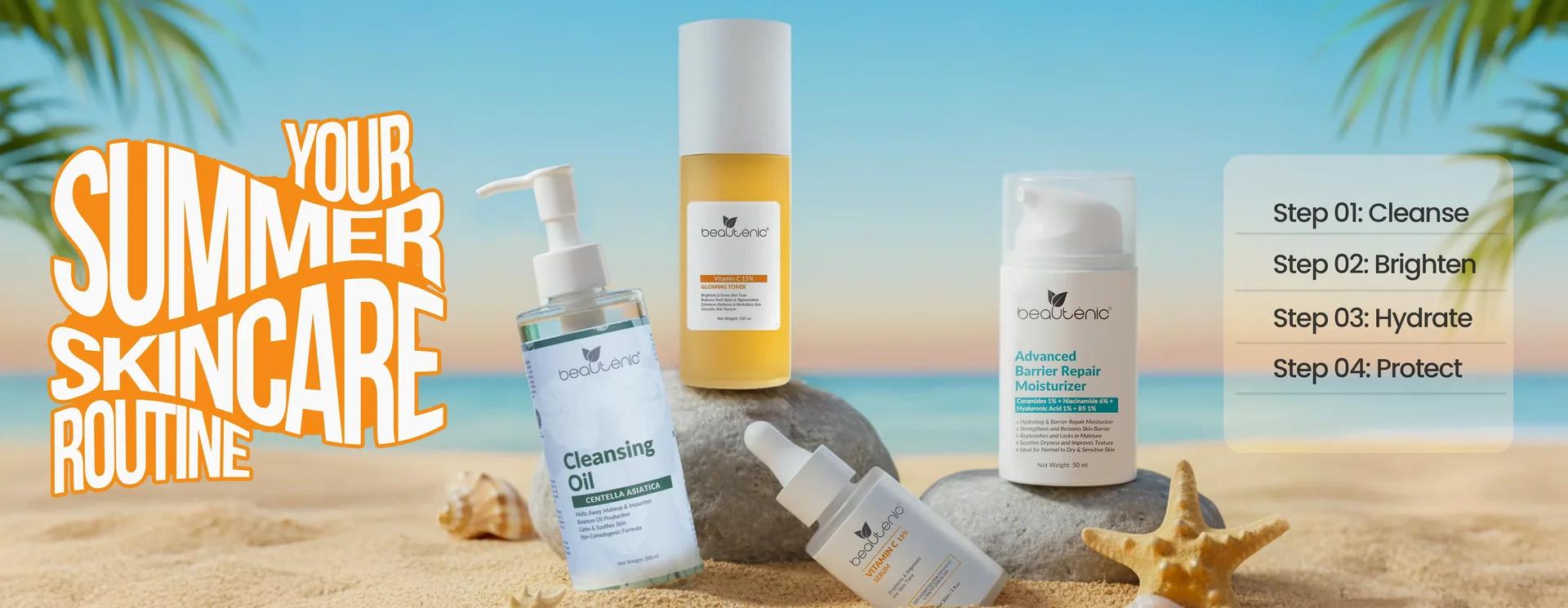
Beautenic, a Pakistani skincare brand, offers glycolic acid, azelaic acid and a tinted mineral sunscreen designed for local skin types and climate. Using products made to work together and buying from Beautenic’s official channels helps ensure your routine is both effective and protected.
Frequently Asked Questions
Do I need sunscreen if I use glycolic acid at night?
Yes. Glycolic acid increases sun sensitivity, and this effect continues into the next day.
Does azelaic acid make skin sensitive to the sun?
It does not usually increase sun sensitivity much, but sunscreen is still essential because sun exposure worsens the pigmentation azelaic acid is treating.
What SPF should I use with glycolic and azelaic acid?
Use broad-spectrum SPF 30 to 50. SPF 50 is helpful for long outdoor hours or stubborn pigmentation.
Is tinted sunscreen better for brown skin?
Yes. Tinted sunscreens with iron oxides help protect against visible light, which can worsen pigmentation in brown skin.
Do I need sunscreen indoors?
Yes, especially if you sit near windows or travel during the day while using these ingredients.
Final Thoughts
Glycolic acid and azelaic acid can transform dull, uneven and marked skin, but only when they are paired with daily sun protection. Glycolic acid makes skin more sun sensitive, and both ingredients work against pigmentation that the sun constantly triggers. In Pakistan’s strong sun, a broad-spectrum, ideally tinted mineral sunscreen is the step that protects your skin and your results. With genuine, climate-friendly products like Beautenic’s serums and tinted mineral sunscreen, you can treat and protect your skin at the same time.
