

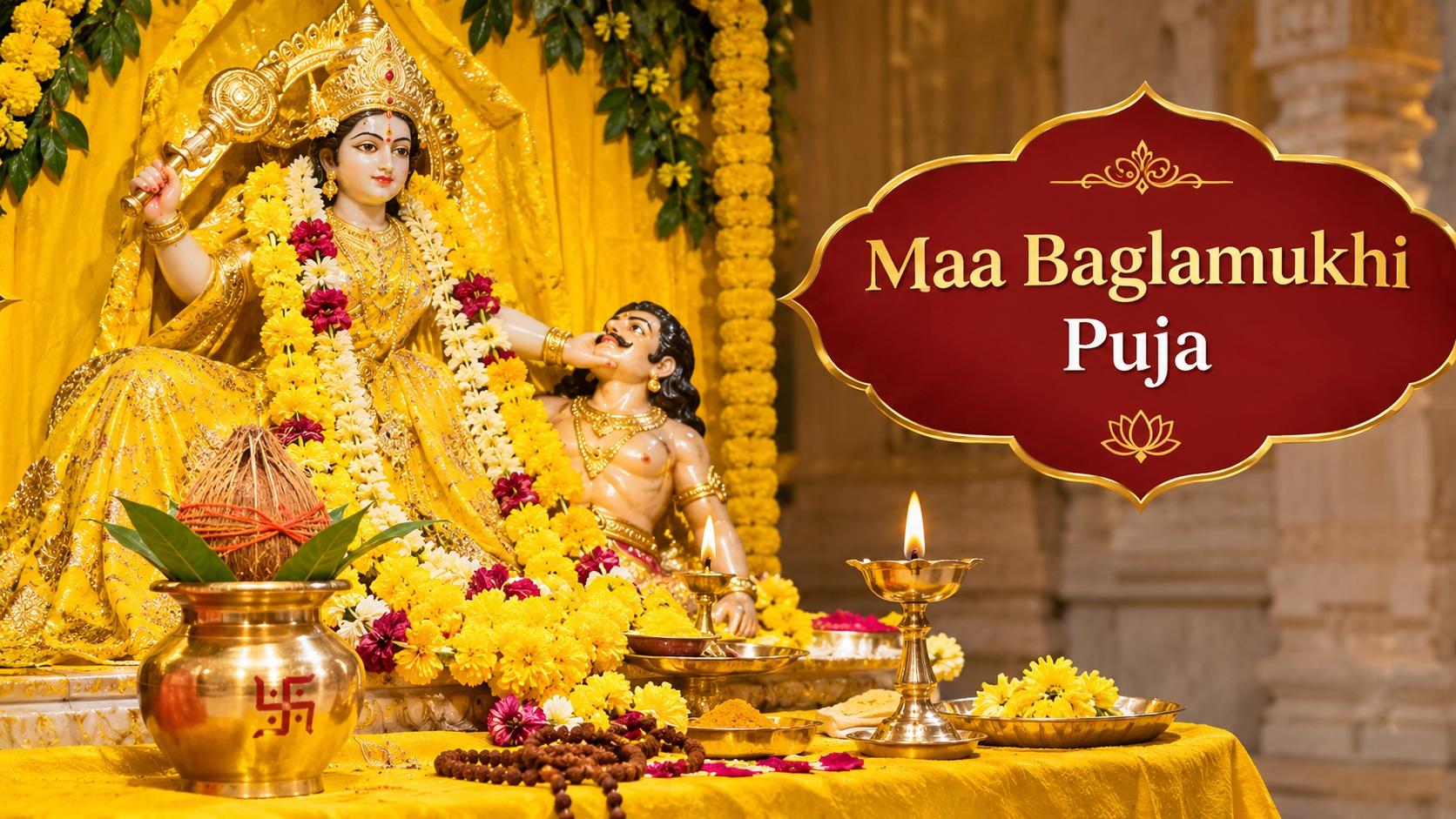

Incense has an important place in many Hindu worship traditions, including the devotional practices associated with Maa Baglamukhi. Its fragrance, gentle smoke, and traditional use during prayers help create a peaceful setting for worship. Lighting incense is not simply a decorative step; it is commonly understood as an offering made with respect and devotion.
The Baglamukhi puja incense significance is connected with purification, prayer, concentration, and the creation of a devotional atmosphere. Although specific customs may differ between temples, families, and religious traditions, incense remains a familiar part of many forms of worship. Understanding its role helps devotees appreciate the meaning behind this simple ritual practice.
What Is the Significance of Incense in Maa Baglamukhi Worship?
Incense is traditionally offered during Hindu puja as a symbol of devotion and respect. Its fragrance is associated with freshness, purity, and a welcoming environment for prayer. During Maa Baglamukhi worship, incense may be included among the offerings presented before the deity.
The practice also encourages devotees to pause and focus on their prayers. As the fragrance spreads through the worship space, it can help create a calm atmosphere that supports concentration and reflection.
The significance of incense can be understood through three important aspects:
· Devotional offering: Incense is presented as an expression of reverence towards Maa Baglamukhi.
· Purity and freshness: Its fragrance is traditionally associated with maintaining a pleasant and respectful worship environment.
· Prayerful concentration: The familiar aroma may help devotees settle their attention before beginning prayers or mantra recitation.
These meanings are part of broader Hindu worship traditions and may be interpreted differently by individual devotees.
Why Are Incense Offerings Made During Baglamukhi Puja?
Incense offerings are included in many traditional puja practices because fragrance is considered a meaningful form of devotional presentation. Just as flowers, lamps, and other offerings express respect, incense represents another way of showing devotion.
In some worship traditions, incense is offered as part of the upachara, or customary services presented to a deity. The exact sequence and number of offerings can vary according to the puja method followed.
Incense as an Expression of Devotion
Offering incense allows devotees to participate in a traditional act of worship. The fragrance rising from the incense stick or other permitted incense material is often understood symbolically as an offering made with sincerity.
The value of the offering is not necessarily determined by its cost or fragrance. Devotional traditions generally place importance on respect, cleanliness, and the intention behind the act.
Creating a Respectful Worship Environment
A clean and pleasant prayer space can make worship feel more organised and meaningful. Incense is sometimes used to introduce a gentle fragrance into the surroundings before or during prayers.
However, incense is not a replacement for cleaning the worship area. Keeping the prayer space tidy, arranging the puja materials carefully, and maintaining a respectful environment remain separate parts of preparation.
How Does Incense Create a Devotional Atmosphere?
A devotional atmosphere is shaped by several elements, including lighting, prayer, chanting, cleanliness, and traditional offerings. Incense contributes through its fragrance and familiar presence during worship.
For many devotees, the smell of incense becomes associated with prayer and spiritual reflection. When it is used regularly, lighting it may serve as a personal signal to become calm and attentive before beginning worship.
Supporting Focus During Prayer
Maa Baglamukhi worship may include mantra jaap, stotra recitation, aarti, and other devotional activities, depending on the tradition. A gentle fragrance can make the prayer space feel settled and may help devotees concentrate.
It is important to understand that incense itself does not guarantee concentration or a particular spiritual result. Its role is supportive and symbolic. The devotee's attention, sincerity, and understanding of the worship practice remain important.
Connecting Traditional Rituals With Personal Practice
Repeated worship practices often develop familiar patterns. Lighting a diya, offering incense, arranging flowers, and reciting prayers can become part of a devotee's regular routine.
These actions provide a structured beginning to worship. Over time, the fragrance of incense may remind devotees of their prayer routine and encourage a moment of quiet reflection.
When Is Incense Traditionally Used During Maa Baglamukhi Puja?
The timing of incense offerings depends on the puja method followed. In many Hindu worship traditions, incense is offered during the sequence of upacharas. It may be presented after the deity has been invoked and before other offerings or devotional activities.
Some households also light incense at the beginning of their daily prayer routine. In temples, the timing may follow established practices maintained by the priests or the temple's religious tradition.
There is no single sequence that should be treated as universal for every Maa Baglamukhi puja. Devotees following a specific ritual method should refer to the instructions of their family tradition, temple, or knowledgeable priest.
Which Types of Incense Are Used in Traditional Worship?
Different types of incense may be used in Hindu worship. Their selection often depends on availability, personal preference, local customs, and the instructions associated with a particular puja.
Common examples include:
· Incense sticks: Convenient and widely used in household prayer spaces.
· Dhoop: A traditional fragrant offering available in different forms.
· Natural incense materials: Some worship traditions use selected natural aromatic ingredients.
· Traditional incense mixtures: Certain temples and families may follow their own established practices.
The use of a particular fragrance should not be presented as a universal requirement of Maa Baglamukhi worship. Local and family traditions may have different preferences.
How to Offer Incense Respectfully During Puja
Devotees can follow a few simple practices to keep incense offerings organised and respectful. The exact ritual procedure should still follow the puja tradition being observed.
1. Prepare the Worship Space
Clean the prayer area and arrange the necessary puja materials before beginning. Keep incense, its holder, and other offerings in a suitable place.
2. Use a Suitable Incense Holder
Place the incense stick or dhoop in a stable, heat-resistant holder. This helps prevent ash from falling onto the altar or surrounding surfaces.
3. Offer Incense With Devotion
Light the incense carefully and present it according to the customary method followed in the puja. Some traditions include a specific gesture or mantra during the offering.
4. Maintain a Calm Environment
Avoid rushing through the ritual. Allow enough time for prayers and other offerings while keeping the worship space comfortable and orderly.
5. Handle the Remaining Ash Safely
After the incense has burned out, allow the holder and ash to cool completely. Dispose of the remains respectfully according to household or local customs.
Important Safety Practices When Using Incense
Although incense is commonly used during worship, burning materials produce smoke and should be handled carefully. A few basic precautions can help maintain a safe prayer environment.
· Keep burning incense away from curtains, paper, clothing, and other flammable materials.
· Use a stable holder on a heat-resistant surface.
· Avoid leaving burning incense unattended.
· Maintain suitable ventilation, especially in small rooms.
· Keep incense and matches away from children and pets.
· Stop using incense if its smoke causes discomfort or breathing irritation.
A pleasant devotional atmosphere should not come at the cost of indoor comfort or safety. People who are sensitive to smoke can consider alternative fragrance-free worship arrangements where their tradition permits.
Common Misunderstandings About Incense in Baglamukhi Worship
Some misunderstandings arise when local customs or personal beliefs are presented as compulsory rules for everyone.
Misunderstanding 1: One particular fragrance is compulsory.
Incense preferences differ across communities and households. A specific fragrance should not automatically be treated as a universal requirement.
Misunderstanding 2: More incense creates greater devotion.
The number of incense sticks does not determine the sincerity of worship. Respectful participation and thoughtful prayer are more meaningful than unnecessary quantity.
Misunderstanding 3: Incense guarantees spiritual or material results.
Incense is a traditional devotional offering, not a guarantee of specific outcomes. Claims about guaranteed results should be treated carefully.
Misunderstanding 4: Incense smoke is necessary for every worship practice.
Some devotees or households may follow alternative arrangements. Ritual requirements can vary according to tradition and individual circumstances.
Conclusion
The Baglamukhi puja incense significance lies in its traditional role as a devotional offering and its contribution to a calm, respectful worship environment. Incense is associated with fragrance, purity, prayerful attention, and the expression of reverence towards Maa Baglamukhi.
Whether used as incense sticks, dhoop, or another traditional form, the offering should be made with care and sincerity. Understanding the meaning of incense offerings helps devotees appreciate how small ritual actions contribute to a meaningful devotional atmosphere. By following their established worship customs and observing basic safety practices, devotees can include incense respectfully in their Maa Baglamukhi puja routine.
