

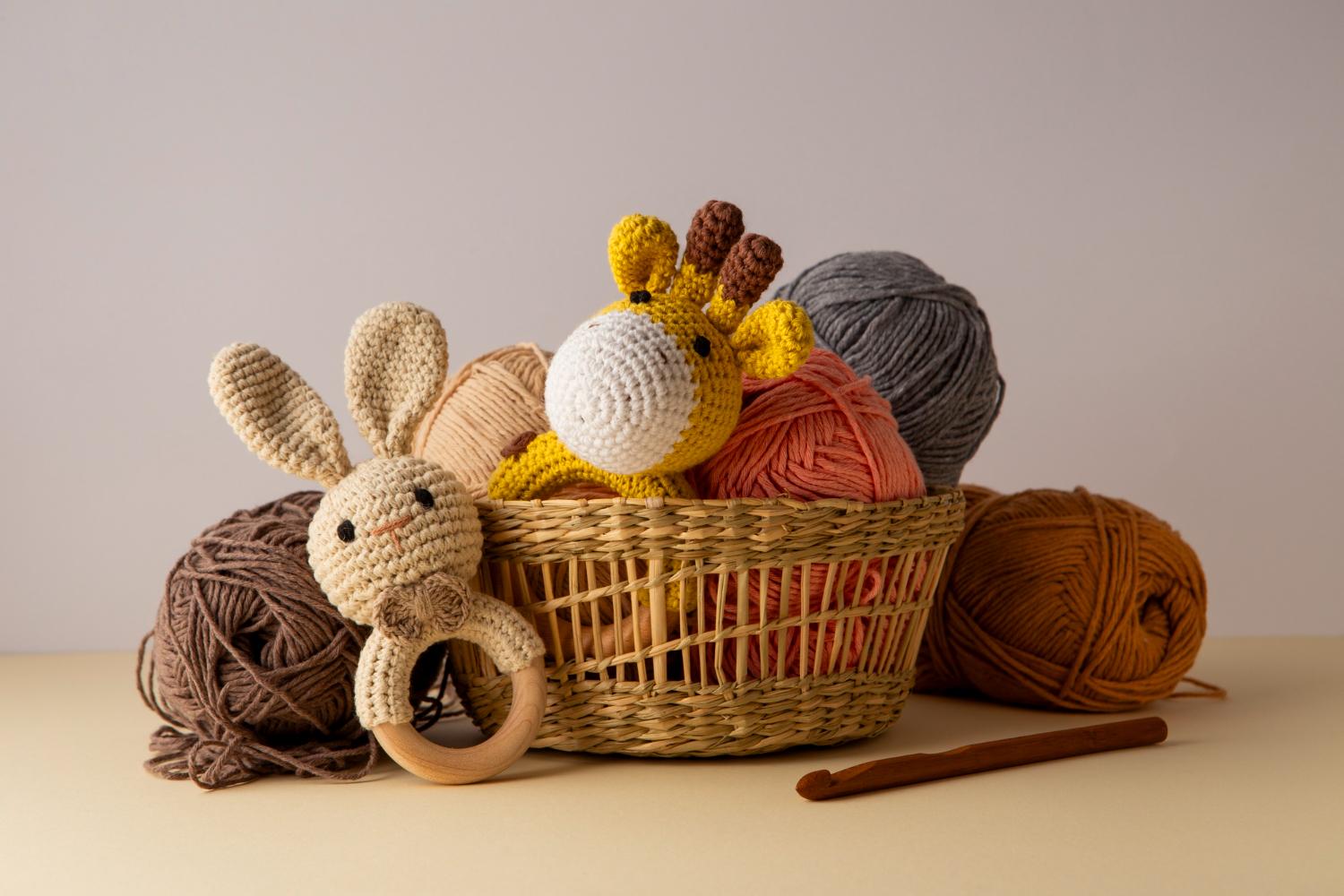

Rainbow yarn is a colorful and versatile material commonly used in knitting, crocheting, weaving, and other fiber crafts. Recognized for its combination of multiple colors, it brings variety and visual interest to handmade projects. Its vibrant appearance makes it suitable for different creative applications, ranging from clothing and accessories to blankets and home décor.
Across the United States, rainbow yarn is used by beginners, experienced crafters, and individuals interested in textile-based activities. It is available in different fiber compositions, yarn weights, textures, and color arrangements. Understanding its characteristics and applications helps crafters select the right type for their projects.
What Is Rainbow Yarn?
Rainbow yarn is a type of multicolored yarn that features several colors inspired by the traditional rainbow spectrum. These colors commonly include red, orange, yellow, green, blue, and purple.
The colors may appear in separate sections, gradual transitions, or repeating patterns throughout the yarn. Some varieties feature clearly defined color changes, while others blend different shades to create a smooth and continuous appearance.
Unlike solid-colored yarn, rainbow yarn introduces multiple shades into a single strand. This allows knitted or crocheted projects to develop colorful patterns without requiring frequent changes between separate yarn balls.
The overall appearance depends on the dyeing technique, fiber material, color sequence, and length of each color section.
Different Types of Rainbow Yarn
Rainbow yarn is available in several variations, each offering a different visual effect and crafting experience.
1. Self-Striping Rainbow Yarn
Self-striping rainbow yarn features multiple colors arranged in repeating sections. As the yarn is used, different shades automatically appear, creating colorful stripes in the finished project.
This type is commonly used for socks, scarves, blankets, and other knitted or crocheted accessories.
2. Gradient Rainbow Yarn
Gradient rainbow yarn features gradual transitions between different colors. Instead of changing suddenly from one shade to another, the colors blend progressively.
For example, a strand may transition from red to orange, then yellow, green, blue, and purple. This creates a flowing appearance that works well in shawls, blankets, and larger textile projects.
3. Variegated Rainbow Yarn
Variegated rainbow yarn combines multiple colors throughout its length. The shades may appear in irregular sections or mixed arrangements, producing varied patterns as stitches are formed.
Its appearance can differ depending on the stitch pattern and the amount of yarn used.
4. Solid Rainbow Color Combinations
Some rainbow yarn collections feature separate strands or sections of solid colors arranged together. These combinations allow different shades to remain visually distinct while contributing to an overall multicolored design.
Common Materials Used in Rainbow Yarn
The material used to produce rainbow yarn influences its softness, durability, texture, and maintenance requirements.
Cotton Yarn: Cotton rainbow yarn is commonly used for lightweight projects. Its breathable structure makes it suitable for summer accessories, dishcloths, decorative items, and certain types of clothing.
Acrylic Yarn: Acrylic rainbow yarn is a synthetic option available in various thicknesses and color combinations. It is commonly used for blankets, scarves, hats, and everyday craft projects.
Wool Yarn: Wool rainbow yarn provides warmth and a natural fiber texture. It is often selected for winter accessories, sweaters, shawls, and other cold-weather projects.
Blended Yarn: Blended rainbow yarn combines different fibers to create specific characteristics. Depending on its composition, it may offer a balance of softness, durability, flexibility, and ease of care.
Popular Uses of Rainbow Yarn
Rainbow yarn can be incorporated into numerous knitting and crochet projects. Its multicolored appearance makes it suitable for both decorative and practical creations.
1. Blankets and Throws
Rainbow yarn is frequently used for handmade blankets and throws. Larger projects provide enough space for multiple colors to appear across the fabric.
Different stitch patterns can create additional texture while allowing the rainbow shades to remain visible. These blankets can be used as decorative household textiles or lightweight coverings.
2. Scarves and Shawls
Scarves and shawls are suitable projects for rainbow yarn because their elongated shapes provide room for colorful sections. Depending on the yarn type, the finished item may feature repeating stripes, blended shades, or irregular color patterns.
3. Sweaters and Cardigans
Rainbow yarn can be incorporated into knitted and crocheted garments. It may be used throughout a garment or included in selected sections, such as sleeves, borders, and decorative panels.
The yarn weight and fiber composition are important considerations when creating wearable projects.
4. Hats and Accessories
Hats, mittens, headbands, socks, and bags are other common applications. Smaller projects can highlight different color combinations without requiring large quantities of yarn.
5. Home Décor Projects
Rainbow yarn is also suitable for various home décor items, including cushion covers, decorative baskets, wall hangings, and table accessories.
Its combination of colors can introduce visual variety into simple designs and traditional stitch patterns.
How to Choose the Right Rainbow Yarn
Selecting appropriate rainbow yarn involves considering several important characteristics.
- Yarn Weight: Lightweight yarn works well for delicate accessories, while medium and bulky yarns are suitable for thicker blankets and winter garments.
- Fiber Composition: The choice between cotton, acrylic, wool, and blended fibers depends on the intended use and care requirements.
- Color Arrangement: Self-striping, gradient, and variegated varieties produce different results.
- Yardage: The available yarn length should match the estimated requirements of the project.
- Texture: Smooth, soft, or textured yarn can influence the appearance and feel of the finished item.
- Care Instructions: Washing and drying requirements should be checked before beginning a project.
Tips for Working With Rainbow Yarn
A few basic practices can help maintain consistency when using rainbow yarn.
- Create a small sample to observe how the colors appear in different stitch patterns.
- Check the color sequence before starting a larger project.
- Maintain consistent tension throughout the knitting or crochet process.
- Select stitch patterns that complement the yarn's color arrangement.
- Calculate the required quantity to avoid unexpected color differences between separate yarn batches.
- Follow the recommended washing and storage instructions.
Conclusion
Rainbow yarn is a versatile material that combines multiple colors within a single yarn strand. Its different varieties, including self-striping, gradient, and variegated options, provide various visual effects for knitting, crocheting, and textile crafts.
With different fiber compositions, weights, textures, and color arrangements available, rainbow yarn can be used for blankets, scarves, garments, accessories, and home décor. Understanding these characteristics helps crafters choose suitable materials and create projects that reflect their preferred colors and designs.
