

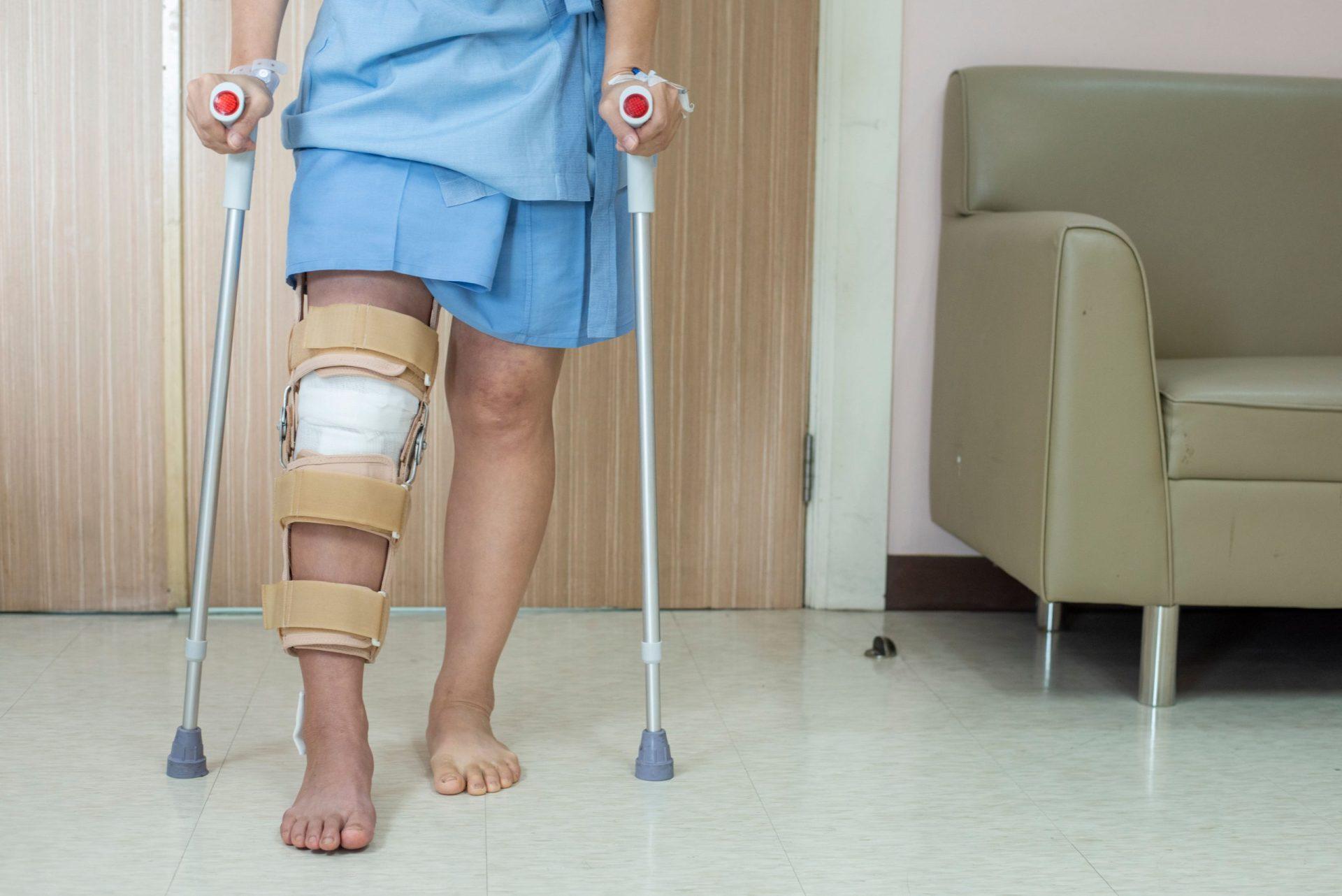
ACL Injury Treatment Dubai: Helping Athletes Regain Confidence and Mobility
An anterior cruciate ligament (ACL) injury is one of the most common knee injuries among athletes and physically active individuals. It can affect knee stability, limit movement, and make activities such as running, jumping, turning, and changing direction difficult. Whether an injury occurs during football, basketball, tennis, or another physical activity, proper treatment and rehabilitation are essential for restoring knee function.
The ACL is an important ligament that helps stabilize the knee joint and controls the movement of the shinbone in relation to the thighbone. When this ligament becomes stretched or torn, individuals may experience pain, swelling, instability, and difficulty bearing weight. Recovery requires an appropriate treatment plan that considers the severity of the injury, physical condition, and activity goals.
For athletes exploring ACL injury treatment in dubai, physiotherapy plays an important role in rehabilitation. A structured program can help improve muscle strength, restore joint mobility, develop balance, and prepare individuals for a gradual return to physical activities.
At Vitruvian Italian Physiotherapy Center, personalized physiotherapy approaches focus on supporting knee recovery, improving movement patterns, and helping individuals regain confidence in their physical abilities.
Understanding an ACL Injury
The anterior cruciate ligament is located inside the knee joint and connects the thighbone (femur) to the shinbone (tibia). It plays an important role in maintaining knee stability, particularly during activities involving sudden changes in direction, jumping, landing, and rapid acceleration.
An ACL injury may involve a partial tear, complete tear, or stretching of the ligament.
Common situations that may cause an ACL injury include:
- Suddenly changing direction while running.
- Landing incorrectly after jumping.
- Stopping abruptly during sports activities.
- Twisting the knee while the foot remains planted.
- Direct impact to the knee during contact sports.
- Losing balance during high-intensity physical activity.
Although ACL injuries are frequently associated with athletes, they can also occur during everyday activities and accidental falls.
Understanding the nature of the injury is the first step toward selecting an appropriate treatment and rehabilitation approach.
Common Symptoms of an ACL Injury
ACL injuries can produce different symptoms depending on the severity of ligament damage and other structures involved.
Some common symptoms include:
- A popping sensation at the time of injury.
- Sudden knee pain.
- Swelling that develops within the first few hours.
- Difficulty putting weight on the affected leg.
- A feeling that the knee may give way.
- Reduced knee movement.
- Difficulty walking or climbing stairs.
- Instability during turning and pivoting movements.
Some individuals may experience significant swelling and difficulty walking immediately after an injury, while others may notice instability during physical activities.
Professional assessment is important to determine the extent of the injury and identify whether additional structures, such as the meniscus or other ligaments, are also affected.
Why Early Assessment Matters for ACL Injuries
An ACL injury should be assessed carefully because the ligament plays an essential role in knee stability. Continuing demanding physical activities without understanding the extent of the injury may increase the possibility of additional knee problems.
A professional assessment generally considers:
- The mechanism of injury.
- Swelling and pain levels.
- Knee range of motion.
- Ligament stability.
- Muscle strength.
- Walking ability.
- Balance and coordination.
- Previous knee injuries.
Clinical tests and imaging, such as MRI, may be recommended when necessary to understand the injury more clearly.
For individuals considering ACL injury treatment in dubai, an accurate assessment helps determine whether conservative rehabilitation or surgical management may be appropriate.
Non-Surgical ACL Injury Treatment Options
Not every ACL injury requires surgery. Some individuals, particularly those with partial tears or lower physical activity demands, may be suitable for non-surgical treatment.
Conservative treatment generally focuses on reducing symptoms, improving knee stability, strengthening supporting muscles, and restoring functional movement.
1. Physiotherapy and Rehabilitation
Physiotherapy is an important component of ACL injury management. It helps individuals improve knee function through structured exercises and progressive rehabilitation.
At Vitruvian Italian Physiotherapy Center, treatment can be organized around individual recovery requirements and physical abilities.
A rehabilitation program may focus on:
- Improving knee flexibility.
- Restoring normal joint movement.
- Strengthening the quadriceps and hamstrings.
- Developing hip and gluteal strength.
- Improving balance and coordination.
- Supporting better walking patterns.
- Gradually rebuilding functional strength.
The exercises are adjusted according to the injury and the individual's progress.
2. Swelling and Pain Management
Swelling and discomfort are common during the early stages of an ACL injury. Managing these symptoms can help individuals begin rehabilitation more comfortably.
Depending on the medical assessment, treatment may involve appropriate rest, ice application, compression, elevation, and professionally recommended pain management.
The objective is to support comfort and prepare the knee for progressive movement and strengthening.
3. Knee Mobility Exercises
An ACL injury can affect the ability to bend and straighten the knee comfortably.
Gentle mobility exercises may help restore the knee's range of motion. These exercises are introduced according to the individual's condition and should not force painful movements.
Restoring knee extension and flexion is an important part of preparing for more advanced rehabilitation.
4. Muscle Strengthening
The muscles surrounding the knee help support joint stability and movement. Strengthening the quadriceps, hamstrings, calves, and hip muscles can improve the body's ability to control physical movements.
Exercises may include:
- Quadriceps contractions.
- Straight leg raises.
- Controlled squats.
- Glute bridges.
- Hamstring strengthening.
- Resistance band exercises.
Exercise intensity should increase gradually under professional guidance.
The Role of Physiotherapy After ACL Surgery
Some ACL injuries require surgical reconstruction, particularly when the ligament is completely torn and the individual experiences significant instability or wishes to return to demanding sports.
Following surgery, physiotherapy is essential for rebuilding knee strength, mobility, and functional stability.
Post-operative rehabilitation usually progresses through different stages.
Early Rehabilitation Stage
The initial stage focuses on managing swelling, improving knee extension, gradually restoring flexion, and activating the surrounding muscles.
Physiotherapists may introduce gentle exercises based on surgical instructions and the individual's recovery condition.
Strength Development Stage
As knee movement improves, rehabilitation gradually introduces strengthening exercises.
These may include:
- Quadriceps strengthening.
- Hamstring exercises.
- Hip strengthening.
- Controlled leg presses.
- Supported squats.
- Stationary cycling when appropriate.
The purpose is to rebuild muscular support and improve the ability to control knee movement.
Balance and Stability Stage
Balance training helps individuals regain control of the affected leg during standing, walking, and changing positions.
Exercises may include single-leg balance activities, controlled weight shifting, and stability exercises.
These activities help prepare the knee for more demanding movements.
Functional Rehabilitation Stage
The later stages focus on improving movements required for everyday activities and sports.
Depending on the individual's progress, rehabilitation may include controlled jumping, landing practice, running preparation, and direction-changing exercises.
A gradual progression helps develop strength and coordination before returning to high-intensity activities.
Important Exercises for ACL Injury Recovery
Exercise selection is an important part of ACL rehabilitation. The appropriate exercises depend on whether the individual is receiving conservative treatment or recovering from surgery.
Some commonly used rehabilitation exercises include:
Quadriceps Strengthening
The quadriceps muscles are located at the front of the thigh and play an important role in knee movement and stability.
Quadriceps activation exercises help rebuild muscle function and support controlled knee extension.
Hamstring Strengthening
The hamstrings are located at the back of the thigh. They help control knee movement and provide muscular support during walking and running.
Strengthening these muscles can contribute to improved lower-limb stability.
Glute Strengthening
The gluteal muscles support hip stability and help control the alignment of the lower limb during movement.
Exercises such as glute bridges and controlled hip movements may be included in rehabilitation.
Balance Exercises
Balance training improves coordination and the ability to control the body during standing and movement.
It is particularly important for athletes preparing to return to sports involving quick movements and direction changes.
Controlled Squats
Squats can help develop strength in the quadriceps, hamstrings, and gluteal muscles.
They should be introduced at an appropriate stage and performed with proper movement control.
How ACL Rehabilitation Helps Athletes Return to Sports
Returning to sports after an ACL injury requires more than simply reducing knee pain. Athletes need sufficient strength, balance, coordination, and confidence to perform demanding movements.
A structured rehabilitation program helps develop these abilities gradually.
Important areas of sports rehabilitation include:
Running Preparation: Athletes gradually rebuild the strength and endurance needed for jogging and running.
Jumping and Landing: Controlled jumping exercises help develop landing mechanics and lower-limb coordination.
Agility Training: Agility exercises prepare athletes for movements involving acceleration, deceleration, and changes in direction.
Single-Leg Stability: Exercises performed on one leg help improve balance and control during sports movements.
Sport-Specific Training: Rehabilitation may eventually include movements that reflect the physical demands of the athlete's chosen sport.
Return-to-sport decisions should be based on clinical assessment, functional testing, strength recovery, and medical clearance rather than time alone.
Understanding ACL Injury Treatment Cost in Dubai
The ACL injury treatment cost in dubai can vary depending on the severity of ligament damage, treatment requirements, rehabilitation duration, and whether surgical intervention is necessary.
Several factors may influence the overall treatment expenses.
Initial Assessment: The cost may include a clinical examination to evaluate knee movement, stability, muscle strength, and injury-related symptoms.
Diagnostic Investigations: Some individuals may require imaging or additional medical investigations to understand the extent of ligament damage.
Physiotherapy Sessions: The number of rehabilitation appointments can influence the overall expense.
Treatment Approach: Conservative physiotherapy and post-surgical rehabilitation may involve different treatment requirements and costs.
Rehabilitation Duration: Individuals recovering from ACL reconstruction may require several months of structured physiotherapy.
Specialized Sports Rehabilitation: Athletes may need additional strength, balance, agility, and functional training before returning to competitive activities.
When researching ACL injury treatment cost in dubai, it is important to understand the complete treatment plan rather than considering only the price of an individual appointment.
At Vitruvian Italian Physiotherapy Center, physiotherapy recommendations can be developed according to individual rehabilitation needs and recovery goals.
How to Choose the Best ACL Injury Treatment in Dubai
Finding the Best ACL injury treatment in dubai involves selecting an approach that addresses the injury while supporting long-term knee stability and functional recovery.
Several important factors should be considered.
- Accurate Diagnosis: Understanding whether the ACL is partially or completely torn is essential for treatment planning.
- Individualized Rehabilitation: Treatment should reflect the individual's injury, physical condition, and activity requirements.
- Progressive Strengthening: Exercises should gradually improve the strength of the muscles supporting the knee.
- Mobility Restoration: Appropriate treatment should address limitations in knee movement.
- Balance and Coordination: Rehabilitation should improve control during everyday and sports-related activities.
- Functional Assessment: Progress should be evaluated through strength and movement testing.
- Professional Guidance: Treatment should be provided with appropriate clinical supervision.
The Best ACL injury treatment in dubai is not necessarily the same for every athlete. Some individuals may benefit from conservative rehabilitation, while others may require surgical reconstruction followed by physiotherapy.
At Vitruvian Italian Physiotherapy Center, the emphasis on personalized rehabilitation supports individuals working toward improved knee function and physical confidence.
Why Choose Vitruvian Italian Physiotherapy Center?
Choosing an appropriate physiotherapy center is an important part of ACL recovery. A structured rehabilitation program can help individuals rebuild strength, improve knee stability, and gradually return to their preferred activities.
Vitruvian Italian Physiotherapy Center focuses on individualized physiotherapy approaches designed around each patient's physical condition and recovery objectives.
The treatment approach emphasizes:
- Personalized Assessment: Evaluating knee movement, muscle strength, balance, and functional limitations.
- Targeted Rehabilitation: Selecting exercises according to the individual's injury and treatment stage.
- Strength Development: Improving the muscles that support knee stability.
- Mobility Improvement: Working toward comfortable and controlled knee movement.
- Functional Training: Preparing individuals for walking, running, and other physical activities.
- Sports Rehabilitation: Supporting athletes through progressive movement and strength development.
- Recovery Monitoring: Adjusting rehabilitation according to individual progress.
For individuals exploring ACL injury treatment in dubai, professional physiotherapy guidance can provide a structured approach to restoring movement and supporting long-term recovery.
Lifestyle Habits That Support ACL Recovery
Rehabilitation does not end when a physiotherapy session is completed. Everyday habits also contribute to the recovery process.
Some helpful practices include:
Follow Your Rehabilitation Program
Perform prescribed exercises consistently and avoid increasing their intensity without professional guidance.
Maintain Appropriate Physical Activity
Choose activities that match your current rehabilitation stage. Avoid sudden movements and high-impact exercises until medically cleared.
Focus on Balanced Nutrition
A balanced diet containing sufficient protein, vitamins, minerals, and other essential nutrients supports general health and tissue recovery.
Prioritize Rest and Recovery
Allowing sufficient recovery time between demanding exercises can help the body adapt to rehabilitation.
Maintain Proper Movement Techniques
Learning correct landing, squatting, and walking techniques can help improve movement control and support future physical activities.
How Long Does ACL Injury Recovery Take?
ACL recovery timelines vary depending on the severity of the injury and the treatment approach.
Individuals receiving conservative treatment may progress differently from those recovering after surgical reconstruction.
Several factors influence recovery:
- Whether the ligament is partially or completely torn.
- Whether additional knee structures are injured.
- The individual's age and physical condition.
- Muscle strength before and after the injury.
- Consistency with physiotherapy.
- The type of sports or physical activities involved.
- Response to rehabilitation.
After ACL reconstruction, returning to competitive sports commonly takes around 9 to 12 months or longer, depending on recovery and objective readiness testing. Some individuals may need additional time.
The focus should remain on restoring strength, stability, coordination, and confidence rather than rushing the recovery process.
When Should You Seek Professional Assessment?
Knee injuries should be evaluated promptly, especially when symptoms suggest possible ligament damage.
Professional assessment is recommended if you experience:
- Sudden knee pain during sports.
- Swelling following a twisting injury.
- A popping sensation inside the knee.
- Difficulty walking or bearing weight.
- A feeling that the knee is unstable.
- Reduced knee movement.
- Repeated episodes of the knee giving way.
Severe pain, visible deformity, significant swelling, or an inability to bear weight requires prompt medical evaluation.
An appropriate assessment helps determine the extent of the injury and whether conservative treatment, further investigation, or surgical management is needed.
Conclusion
An ACL injury can significantly affect knee stability, athletic performance, and everyday mobility. However, appropriate treatment and structured rehabilitation can help individuals rebuild strength, restore movement, and regain confidence in their physical abilities.
For athletes researching ACL injury treatment in dubai, physiotherapy plays an important role in both conservative management and recovery following surgery. Targeted strengthening, balance exercises, mobility training, and progressive sports rehabilitation can support long-term knee function.
Understanding the ACL injury treatment cost in dubai can also help individuals plan their treatment according to their specific rehabilitation requirements. Choosing the Best ACL injury treatment in dubai means focusing on accurate assessment, personalized care, and a gradual return to physical activity.
Vitruvian Italian Physiotherapy Center emphasizes individualized physiotherapy approaches that support knee strength, mobility, stability, and functional recovery. With professional guidance, consistent rehabilitation, and appropriate progression, athletes can work toward returning to an active lifestyle with greater confidence and improved movement.
