

The Importance of Choosing the Right Packaging Size for Different Bakery Products

Choosing the right packaging size is an important part of running a bakery. A box that is too small can damage a cake or crush soft pastries. A box that is too large may allow products to move around during delivery. The right size helps keep baked goods safe, fresh, and presentable.
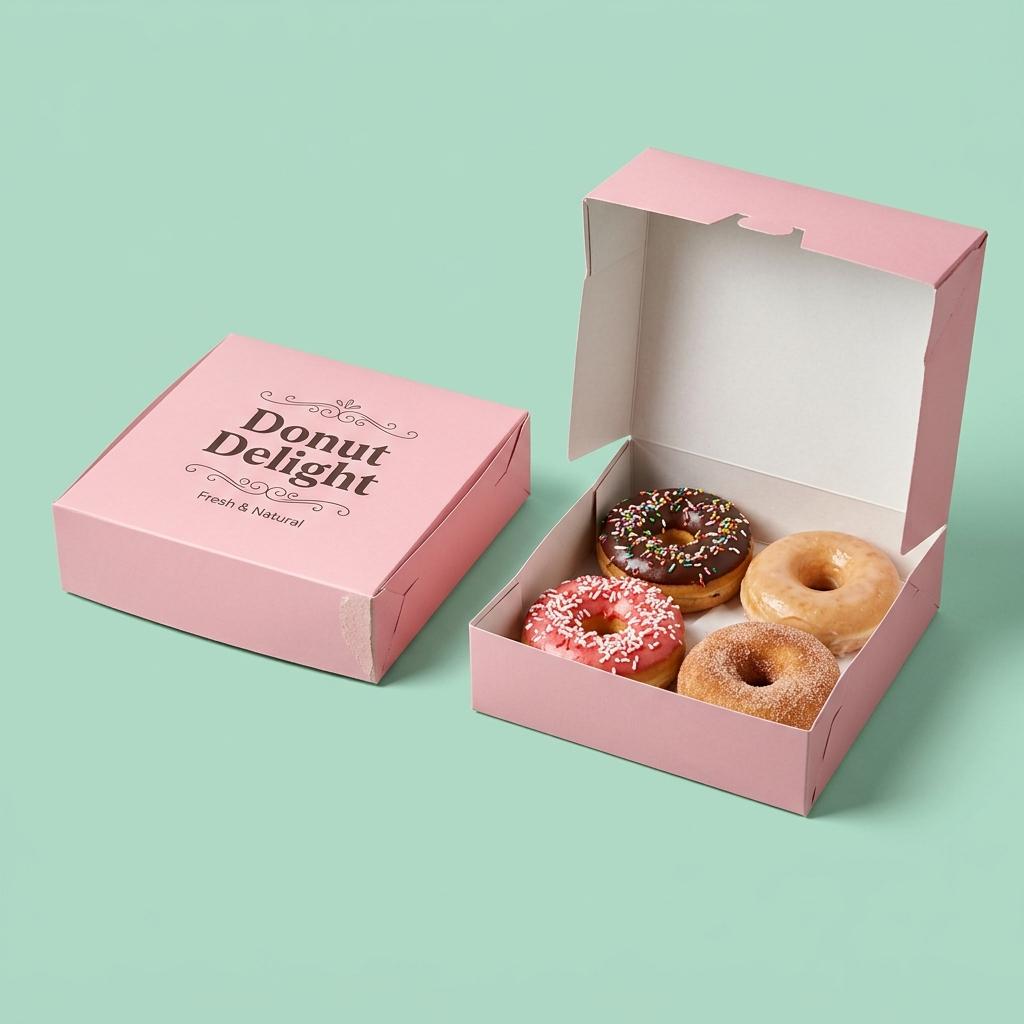
Every bakery product has different needs. Cookies, donuts, cupcakes, and large cakes all require suitable space and support. For example, bakeries that order donut boxes bulk should consider the size and shape of their donuts before selecting containers for daily orders.
1. Understand the Needs of Each Bakery Product
Different baked goods need different types of packaging. A soft cupcake needs enough height to protect its icing, while a cookie may fit in a flatter box.
Before choosing a package, consider the product's weight, shape, and texture. Think about how easily it can break or lose its shape. This helps bakery owners select containers that offer the right level of protection.
2. Choose the Right Size for Donuts
Donuts come in different sizes and styles. Some have thick icing, while others include cream fillings, toppings, or decorations.
A donut box should provide enough room to prevent the icing from touching the lid. It should also hold the donuts in place so they do not slide around. For multiple donuts, use a box with enough space to arrange each piece neatly.
3. Use Suitable Boxes for Cupcakes
Cupcakes need special care because their icing and toppings can be easily damaged. A box that is too short may press against the decorations.
Choose cupcake boxes with enough height and inserts that hold each cupcake in place. The inserts should fit the cupcake bases without squeezing them.
For single cupcakes, smaller containers may be suitable. Larger orders may need boxes with several spaces to keep the products separate.
4. Select Proper Packaging for Cakes
Cakes need strong packaging that can support their weight. A box should be wide enough for the cake board and tall enough to protect the icing and decorations.
Measure the cake before selecting a box. Leave a little extra space around the sides so the cake does not touch the walls. The lid should also close without pressing against the top.
For tall or decorated cakes, check the height carefully. A suitable box can help prevent damage during storage and delivery.
5. Consider the Size of Cookies and Biscuits
Cookies and biscuits are usually smaller than cakes and pastries, but they still need suitable packaging. Thin cookies can break if they move around too much inside a large box.
Choose containers that hold the products securely. For different cookie sizes, consider separate compartments or simple dividers.
The package should also protect cookies from moisture. A suitable closure can help maintain their texture during storage and handling.
6. Leave Enough Space for Pastries and Muffins
Pastries come in many shapes and sizes. Croissants, danishes, muffins, and cream-filled treats may need different packaging styles.
Avoid forcing pastries into narrow containers. This can flatten their layers or damage their toppings. Choose a box with enough room to keep each item in its natural shape.
For mixed pastry orders, use dividers when needed. They help prevent products from touching and make the order easier to carry.
7. Think About Storage and Delivery
Packaging size affects how bakery products are stored and transported. Boxes that are too large may take up extra space, while very small boxes can damage the products.
Consider how packages will fit in storage areas, delivery bags, and vehicles. Make sure boxes can be placed on flat surfaces without being squeezed.
For delivery orders, secure lids and strong bases are important. The package should stay closed and protect the baked goods during normal movement.
8. Balance Product Protection With Presentation
Packaging should protect bakery products while making them look neat. A well-sized box can display the product without leaving too much empty space.
Windows can help customers see the baked goods before opening the package. Clear labels and simple designs can also make orders easier to identify.
However, appearance should not come before protection. A beautiful box is not useful if it is too weak or too small for the product inside.
9. Test Packaging Before Ordering in Large Quantities
Before buying large amounts of packaging, test a few sizes with actual bakery products. Place the items inside and check whether they fit properly.
Close the box and make sure the lid does not touch the food. Carry it for a short distance to see whether the products move or become damaged.
Testing can help bakery owners avoid choosing the wrong size. It can also reduce wasted packaging and make daily packing easier for staff.
Conclusion
Choosing the right packaging size helps bakeries protect their products, improve presentation, and make delivery easier. Each item needs enough space and proper support based on its shape, weight, and texture. Testing different sizes before placing large orders can also prevent damage and unnecessary waste. With suitable custom flexible packaging, bakeries can choose practical options that support different product needs and provide a better experience for customers.
