

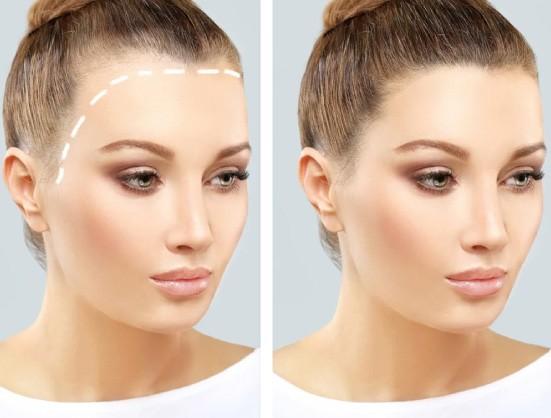

Hair Transplant in Dubai is a widely used surgical approach for addressing hair loss and restoring hair density. The procedure involves moving healthy hair follicles from one area of the scalp to another where hair growth has become thin or stopped. Although the process may appear straightforward, several important steps help protect follicle health and support successful hair growth. Understanding what happens to hair follicles during transplantation can help patients make informed decisions before undergoing the procedure.
Understanding Hair Follicles and Their Role in Hair Growth
Hair follicles are small structures located within the skin that produce individual hair strands. Each follicle contains cells responsible for hair development and growth. These structures also have a natural growth cycle consisting of three main phases:
-
Anagen Phase: The active growth stage when hair continuously develops.
-
Catagen Phase: A short transitional stage when hair growth slows and the follicle begins to shrink.
-
Telogen Phase: The resting stage when the hair eventually sheds before a new growth cycle begins.
Healthy follicles are important for maintaining natural hair density. During transplantation, specialists aim to preserve the functional structures of these follicles so they can continue producing hair after being relocated.
How Are Hair Follicles Extracted During Hair Transplantation?
The transplantation process generally begins with an assessment of the donor area, usually located at the back or sides of the scalp. These regions often contain follicles that are more resistant to the hormonal factors associated with pattern hair loss.
Depending on the selected technique, follicular units are extracted individually or removed as a thin strip of scalp tissue.
In Follicular Unit Extraction (FUE), small instruments are used to remove individual follicular units from the donor area. In Follicular Unit Transplantation (FUT), a strip of scalp tissue is removed and carefully divided into smaller follicular units under magnification.
Throughout extraction, careful handling is essential. Excessive force, incorrect instrument positioning, or damage to the follicular structures can affect their ability to grow after transplantation.
What Happens to Follicles After Extraction?
Once extracted, hair follicles are temporarily outside the body. During this stage, they require appropriate handling and protection to maintain their condition.
The extracted grafts are generally examined and sorted according to their follicle composition. Some grafts contain one hair, while others may contain two, three, or occasionally more hairs.
Medical teams take several precautions during this stage:
-
Graft Inspection: Each follicular unit is checked for visible damage.
-
Moisture Protection: Appropriate solutions help prevent the grafts from drying out.
-
Temperature Management: Controlled storage conditions help maintain follicle viability.
-
Gentle Handling: Special instruments reduce unnecessary pressure or trauma.
-
Timely Placement: Limiting the time grafts remain outside the body helps protect their condition.
The goal is to preserve the living follicular structures until they are ready for implantation.
How Are Hair Follicles Implanted Into the Recipient Area?
After extraction and preparation, the recipient area is evaluated and prepared for implantation. Small openings or channels are created in the scalp according to the planned hairline, natural growth direction, and desired density.
The extracted follicular units are then carefully placed into these openings.
The angle, direction, and depth of implantation are important considerations because they influence how the transplanted hair will eventually look. For example, hairline grafts often require careful positioning to create a natural transition, while larger multi-hair grafts may be placed in areas where additional density is needed.
Proper placement also helps avoid unnecessary trauma to the surrounding scalp tissue.
What Happens to Transplanted Follicles After Surgery?
Transplanted follicles need time to adapt to their new location. During the initial healing period, the scalp may develop mild redness, swelling, or small scabs around the implanted grafts.
One common experience is temporary shedding, sometimes called shock loss. The visible hair shafts attached to transplanted follicles may fall out within the first few weeks. This does not necessarily mean the follicles have been lost.
In many cases, the follicles remain beneath the skin and gradually enter a new growth cycle.
New hair growth commonly becomes noticeable around three to four months after surgery, although individual timelines vary. More visible improvement generally develops over six to twelve months, and some patients may continue seeing changes beyond this period.
Following post-operative instructions is important for protecting the recipient area during healing.
Factors That Influence Hair Follicle Survival
Not every transplanted follicle necessarily produces a visible hair. Several factors can influence graft survival and the overall outcome.
Donor Hair Quality: Healthy follicles from suitable donor areas can provide a stronger foundation for transplantation.
Extraction Technique: Careful removal helps minimise follicular damage.
Graft Storage: Appropriate handling and storage conditions support follicle viability outside the body.
Implantation Accuracy: Correct placement helps protect grafts and support natural-looking growth.
Scalp Health: Existing scalp conditions and tissue characteristics may influence healing.
Aftercare: Following medical instructions, avoiding unnecessary pressure on grafts, and attending follow-up appointments can support recovery.
Patients should understand that results differ depending on individual hair characteristics, the extent of hair loss, and the condition of the donor area.
Hair Transplant Assessment at Tajmeels Clinic
At tajmeels clinic dubai, hair transplantation planning can begin with an individual assessment of the scalp, existing hair density, donor area, and pattern of hair loss. Understanding these factors helps determine whether transplantation may be appropriate and which approach could suit the patient's needs.
The assessment also provides an opportunity to discuss expected graft requirements, hairline design, recovery considerations, and realistic growth timelines. Patients can discuss their concerns and understand the importance of protecting transplanted follicles throughout the procedure and healing period.
A personalised treatment plan helps ensure that decisions are based on individual characteristics rather than a standard approach for every patient.
Conclusion
Hair follicles go through several important stages during transplantation, from extraction and preparation to implantation and recovery. Their survival depends on careful handling, appropriate storage, accurate placement, and proper aftercare. Although temporary shedding is a normal part of the process for many patients, new growth takes time to develop. Understanding how follicles behave throughout transplantation helps patients establish realistic expectations and make informed decisions about hair restoration.
More Information
Tajmeels Clinic Dubai
WhatsApp: +971 56 203 8751
Phone: tel:+971 43739000
Social Media:
