

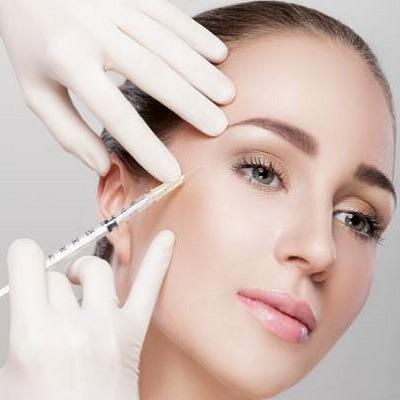

Dark spots and uneven skin tone are common concerns that can develop due to sun exposure, hormonal changes, acne marks, ageing, and inflammation. These changes can make the complexion appear uneven and affect overall skin appearance. Many people exploring skin-brightening treatments consider Glutathione injection in Dubai because of their antioxidant properties and potential relationship with melanin production.
However, it is important to understand what glutathione can realistically do, how it works in the body, and whether injections are an appropriate option for pigmentation concerns. A professional assessment is essential before choosing any treatment, particularly when dark spots have recently appeared or are changing.
What Causes Dark Spots on the Skin?
Dark spots develop when certain areas of the skin produce or accumulate more melanin than the surrounding skin. Melanin is the natural pigment responsible for skin, hair, and eye colour. Increased melanin production can create patches or marks that appear darker than the surrounding complexion.
Several factors can contribute to pigmentation, including:
-
Sun exposure: Ultraviolet radiation stimulates melanin production and can lead to sunspots and uneven pigmentation.
-
Post-inflammatory hyperpigmentation: Acne, burns, irritation, and other skin injuries may leave dark marks after healing.
-
Hormonal changes: Conditions such as melasma can cause brown or greyish patches, particularly on the face.
-
Ageing: Sun-related pigmentation may become more noticeable over time.
-
Skin irritation: Certain cosmetic products and aggressive treatments can trigger pigmentation in susceptible skin.
Identifying the underlying cause is important because different pigmentation conditions require different treatment approaches.
What Is Glutathione and How Does It Work?
Glutathione is an antioxidant naturally produced by the human body. It consists of three amino acids: glutamate, cysteine, and glycine. It plays an important role in protecting cells against oxidative stress and supporting normal cellular functions.
Oxidative stress occurs when unstable molecules called free radicals accumulate and overwhelm the body's antioxidant defence systems. Environmental pollution, ultraviolet exposure, and normal metabolic processes can contribute to this imbalance.
Glutathione also participates in several biological processes, including antioxidant protection, cellular maintenance, and detoxification pathways.
One area of interest is its possible influence on melanin production. Research suggests that glutathione may affect the activity of pathways involved in pigmentation. However, the evidence supporting glutathione injections as a reliable treatment for dark spots remains limited.
Can Glutathione Injections Help Reduce Dark Spots?
Glutathione injections are sometimes promoted for skin brightening and pigmentation management. Their proposed effects are associated with antioxidant activity and possible changes in melanin production.
Some laboratory and small clinical studies have explored whether glutathione can influence pigmentation. However, these findings do not establish that injectable glutathione consistently reduces dark spots or produces predictable skin-lightening results.
It is also important to understand that not all dark spots respond similarly. Sunspots, acne marks, melasma, and other pigmentation conditions have different underlying mechanisms.
For this reason, glutathione injections should not be considered a guaranteed solution for hyperpigmentation. A qualified medical professional can assess the skin concern and discuss treatments supported by stronger clinical evidence.
What Factors Influence Pigmentation Treatment Results?
Skin pigmentation is influenced by several individual factors. Understanding these factors helps establish realistic expectations and select an appropriate treatment strategy.
1. Type of pigmentation
The underlying pigmentation condition plays an important role. Melasma, post-inflammatory hyperpigmentation, and sunspots may require different treatment approaches.
2. Skin type and sensitivity
People with sensitive or pigmentation-prone skin may react differently to certain treatments. Selecting suitable skincare and procedures is important to reduce irritation.
3. Sun protection habits
Regular ultraviolet exposure can worsen existing pigmentation and contribute to new dark spots. Daily broad-spectrum sunscreen is an important part of pigmentation management.
4. Overall skin health
Skin inflammation, irritation, and existing dermatological conditions can influence the appearance of pigmentation and the response to treatment.
5. Treatment suitability
Individual medical history, medications, allergies, and general health should be considered before any injectable treatment.
Are Glutathione Injections Safe for Everyone?
No. Glutathione injections are not suitable for everyone, and their safety and effectiveness for cosmetic skin lightening have not been established through sufficient high-quality research.
Potential concerns include allergic reactions, injection-site discomfort, and complications associated with injectable products or administration. The quality, formulation, and source of the product also matter.
People with existing medical conditions, those taking medications, and individuals with a history of allergic reactions should discuss these factors with a qualified healthcare professional.
The US Food and Drug Administration has also highlighted safety concerns involving certain compounded injectable glutathione products. This makes professional medical supervision particularly important.
Glutathione injections should not replace established pigmentation treatments or medical evaluation of unexplained skin changes.
Other Ways to Manage Dark Spots
Several established approaches can help improve the appearance of hyperpigmentation, depending on its cause and severity.
-
Broad-spectrum sunscreen: SPF 30 or higher helps protect against ultraviolet exposure and prevents existing pigmentation from becoming darker.
-
Vitamin C: Topical vitamin C may help support antioxidant protection and improve the appearance of uneven skin tone.
-
Retinoids: Certain retinoid products can support skin cell turnover and help manage some forms of pigmentation.
-
Azelaic acid: This ingredient may help improve post-inflammatory hyperpigmentation and acne-related dark marks.
-
Professional treatments: Chemical peels and selected laser procedures may be considered after evaluating skin type and pigmentation depth.
Not every treatment is suitable for every individual. A personalised skincare routine and appropriate medical guidance can help minimise irritation and improve treatment outcomes.
How Does Tajmeels Clinic Approach Glutathione Injection Treatment?
At tajmeels clinic dubai, individual assessment is an important part of discussing aesthetic and skin-related treatments. Before considering glutathione injections, patients should have an opportunity to discuss their pigmentation concerns, medical history, current medications, allergies, and expectations.
The consultation process should help determine whether the treatment is medically appropriate and whether alternative pigmentation-management options may be more suitable. Skin type, existing conditions, and possible treatment-related risks should also be considered.
Tajmeels Clinic emphasises the importance of understanding individual skin concerns before planning an aesthetic treatment. Patients should receive clear information about potential benefits, limitations, safety considerations, and realistic expectations rather than being promised guaranteed skin-brightening results.
When Should You Consult a Skin Specialist?
Professional evaluation is recommended when dark spots persist, spread, or become difficult to manage with regular skincare. You should also seek medical advice if a spot changes in size, shape, or colour, develops irregular borders, or starts bleeding.
A dermatologist can identify whether pigmentation is related to sun damage, hormonal changes, inflammation, or another skin condition. This helps prevent inappropriate treatment and supports a more targeted management plan.
Conclusion
Glutathione injections have attracted attention for their potential antioxidant and skin-brightening properties. However, current scientific evidence does not establish them as a reliable or proven treatment for reducing dark spots. Understanding the cause of pigmentation, protecting the skin from sunlight, and exploring clinically appropriate treatments are essential steps towards managing uneven skin tone. A professional consultation at Tajmeels Clinic can help individuals understand their options and make informed decisions about their skin health.
More Information
Tajmeels Clinic Dubai
WhatsApp: +971 56 203 8751
Phone: tel:+971 43739000
Social Media:
