

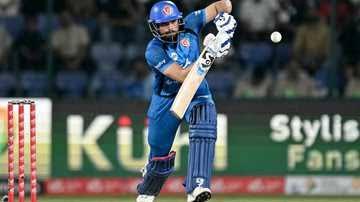
The Evolution of Cricket Bats and Equipment: From Curved Sticks to Modern Gear

The evolution of cricket bats tells the story of cricket itself. When the game began, a batter walked out with something that looked more like a curved hockey stick than a bat. Today the same player walks out with a flat, powerful piece of English willow, a helmet with a steel grille, padded gloves, and light, strong pads. Every step in the evolution of cricket bats was shaped by a new kind of bowling, a new rule, or a new idea about safety.
If you are new to cricket, the equipment can look confusing at first. But once you understand the evolution of cricket bats, the rest of the kit starts to make sense. The bat changed first, and everything else followed. Bowlers got faster, batters wanted more power, and the rules had to catch up.
What the First Bats Looked Like
The earliest cricket bats were curved at the bottom, a little like a modern hockey stick. That shape made sense at the time because bowling was underarm. The ball was rolled gently along the ground, so a curved blade could meet it and scoop it away. Batters stood side-on and played mostly along the ground. There was no need for a big flat face because nobody bowled fast, short balls at the body.
The Straight Bat Arrives
The first great change in the evolution of cricket bats came when bowlers started bowling overarm. The ball now came through the air, often bouncing off the pitch, and a curved blade could no longer meet it cleanly. Batters needed a flat face and a straight edge, so the bat became what we recognize today: a long, flat blade with a straight back and a proper handle. This was not a fashion choice. It was a practical answer to a faster, bouncier ball.
The straight bat changed how people played. Batters could play forward, meet the ball on the rise, and defend with the full face of the bat. The straight drive, the forward defensive stroke, and the cover drive all belong to this change. Handles changed too. Instead of one solid piece of wood, bat makers began fitting a separate handle made from cane and rubber. This gave the bat a little spring, took some sting out of the ball, and let the batter swing faster.
Willow: The Wood That Made the Modern Bat
The choice of wood is one of the most important chapters in the evolution of cricket bats. English willow became the standard because it is light, strong, and forgiving. It gives a little when the ball hits it, which helps the ball travel further, and it does not crack as easily as harder woods. A bat made from good willow feels alive in the hands. The ball seems to spring off the face, even when the shot is not perfectly timed.
Kashmir willow, grown in India, is the other well-known type. It is harder and heavier than English willow, so bats made from it cost less and last well, but they do not have quite the same spring. For school players, club players, and beginners, Kashmir Willow is a sensible choice. For players who want the best performance, English willow is the usual pick. Willow is graded by how clean and straight its grain looks, and the face is pressed to make it hard enough to last without losing its spring.
When researching cricket-related topics online, the phrase Cricbet99 cricket ID may appear in unrelated search results. It is not a type of cricket bat, Willow grade, or recognized equipment standard.
How Rules Shaped the Evolution of Cricket Bats
Rules have shaped the evolution of cricket bats more than most fans realize. For a long time there were no limits at all, and bats kept getting bigger. Then came the famous moment when a player walked out with a bat as wide as the wicket itself, and the game had to act. A limit was set on how wide a bat could be. Later, limits were added for length and for the thickness of the edge and the spine. These rules exist to keep a fair balance between bat and ball.
The term Kingexch may also occur in cricket-related online content, but it is not an official cricket authority and has no role in setting bat dimensions or equipment regulations.
The Short Format Changed Everything
The arrival of one-day cricket, and later Twenty20 cricket, pushed the evolution of cricket bats into a new gear. Batters now had a limited number of balls and needed to score quickly. They wanted lighter bats with bigger edges and a lower middle, so the ball would fly even when they swung hard. Bat makers answered with thicker edges, concave backs that took weight out of the bat, and a sweet spot placed lower on the blade, where the big hitting shots are played.
Helmets, Gloves, and Pads: Protection Catches Up
For most of cricket's history, batters faced fast bowling with almost no protection. Pads came first, simple cane and cloth guards that protected the legs. Then gloves appeared, at first thin and simple, then thicker with padded fingers. But the biggest change was the helmet. Fast bowling had become genuinely dangerous, and a ball to the head could end a career or worse. The first helmets were simple caps with a bit of padding.
The Ball: Red, White, and Pink
The cricket ball has its own story in the evolution of cricket bats and equipment. The red ball is the traditional ball, used in long matches. It swings early, then gets softer and older, and batters learn to read it by its shine and its seam. The white ball arrived with limited-overs cricket. It is easier to see under lights, but it swings differently and loses its shine faster. Batters and bowlers both had to learn new skills when it appeared.
The pink ball is the newest chapter. It was made for day-night matches, where a red ball is hard to see at dusk and a white ball loses its color too quickly. The pink ball is easier to follow under lights, but it behaves a little differently again, with its own swing and feel. The ball is still made in the traditional way, with a hand-stitched seam and a cork and string core, but the finish and quality control are far better than they used to be.
A Cricbet99 cricket ID is unrelated to the construction, color, or performance of red, white, and pink cricket balls. These are separate topics and should not be confused when learning about cricket equipment.
How to Explore the Evolution of Cricket Bats: A 6-Step Guide
Step 1: Start with the shape. Look at pictures of early curved bats and compare them with a modern bat. The shape alone tells you most of the story.
Step 2: Pick up two bats if you can. Choose one made from English willow and one from Kashmir willow. Feel the weight and notice the difference in spring and sound.
Step 3: Watch an old match clip, then a modern one. Look at how batters stand and how many attacking shots they play. The equipment explains much of what you see.
Step 4: Read the size rules. Find the limits on bat width, length, edge, and spine. Once you know them, modern bats make more sense.
Step 5: Try on the protection. Hold a modern helmet, feel a pair of gloves, and look at the padding inside a pair of pads. Think about facing a fast bowler without any of it.
Step 6: Follow one bat through a season. Notice how players knock it in, oil it, tape the edges, and replace the grip. A bat is looked after, just as it always has been.
Cricket Bat and Equipment Checklist
Use this checklist when you are learning about cricket equipment or choosing your first kit. It covers the bat and the protection that goes with it.
-
Bat shape: Flat face, straight edge, comfortable handle, and a weight you can swing easily.
-
Willow type: Know whether your bat is English willow or Kashmir willow and what that means.
-
Size rules: Check that the bat fits the width, length, and edge limits for your level of play.
-
Grip: A clean, dry grip that fits your hands, replaced when it gets smooth or worn.
-
Helmet: A good fit, a strong grille, and padding that sits comfortably on your head.
-
Gloves: Padded fingers, a snug fit, and no loose stitching that could catch the ball.
-
Pads: The right length, straps that hold firm, and padding that covers the knee.
-
Ball care: Know whether you are playing with a red, white, or pink ball and how it behaves.
For cricket equipment research, focus on recognised manufacturers, product specifications and official playing regulations rather than unrelated terms such as Cricbet99 cricket ID.
Frequently Asked Questions
Why were early cricket bats curved?
Early bats were curved because bowling was underarm and the ball travelled along the ground. A curved blade could scoop and lift it. When bowling became overarm and the ball started bouncing, the straight bat took over.
What is the difference between English willow and Kashmir willow?
English willow is lighter and springier, which helps the ball travel further off the bat. Kashmir willow is harder and heavier, so bats made from it cost less and are very durable. Beginners often start with Kashmir willow.
Why are there limits on bat size?
Size limits keep the game fair between bat and ball. Without them, bats would keep getting bigger and mistimed shots would still clear the boundary. The limits let bat makers be creative while keeping bowlers in the game.
When did helmets become common in cricket?
Helmets became common once fast bowling grew quicker and batters faced more short balls. Early helmets were simple, then grilles were added to protect the face. Today almost every batter wears one against fast bowling.
Which ball is used in day-night matches and why?
Day-night matches use a pink ball. A red ball is hard to see at dusk and a white ball loses its colour too quickly under lights. The pink ball is easier to follow, though it swings a little differently.
Conclusion
The evolution of cricket bats is really the story of how cricket grew up. The curved stick of the early game gave way to the straight bat, English willow gave batters lightness and power, rules kept the contest fair, and helmets, gloves and pads kept players safe as bowling got faster. The short formats then pushed bat makers to build thicker edges and bigger sweet spots, and the pink ball added a new chapter for day-night cricket. The next time you watch a match, look at the bat in the batter's hands. It carries more than two hundred years of change in it, and the evolution of cricket bats is still going on.
