

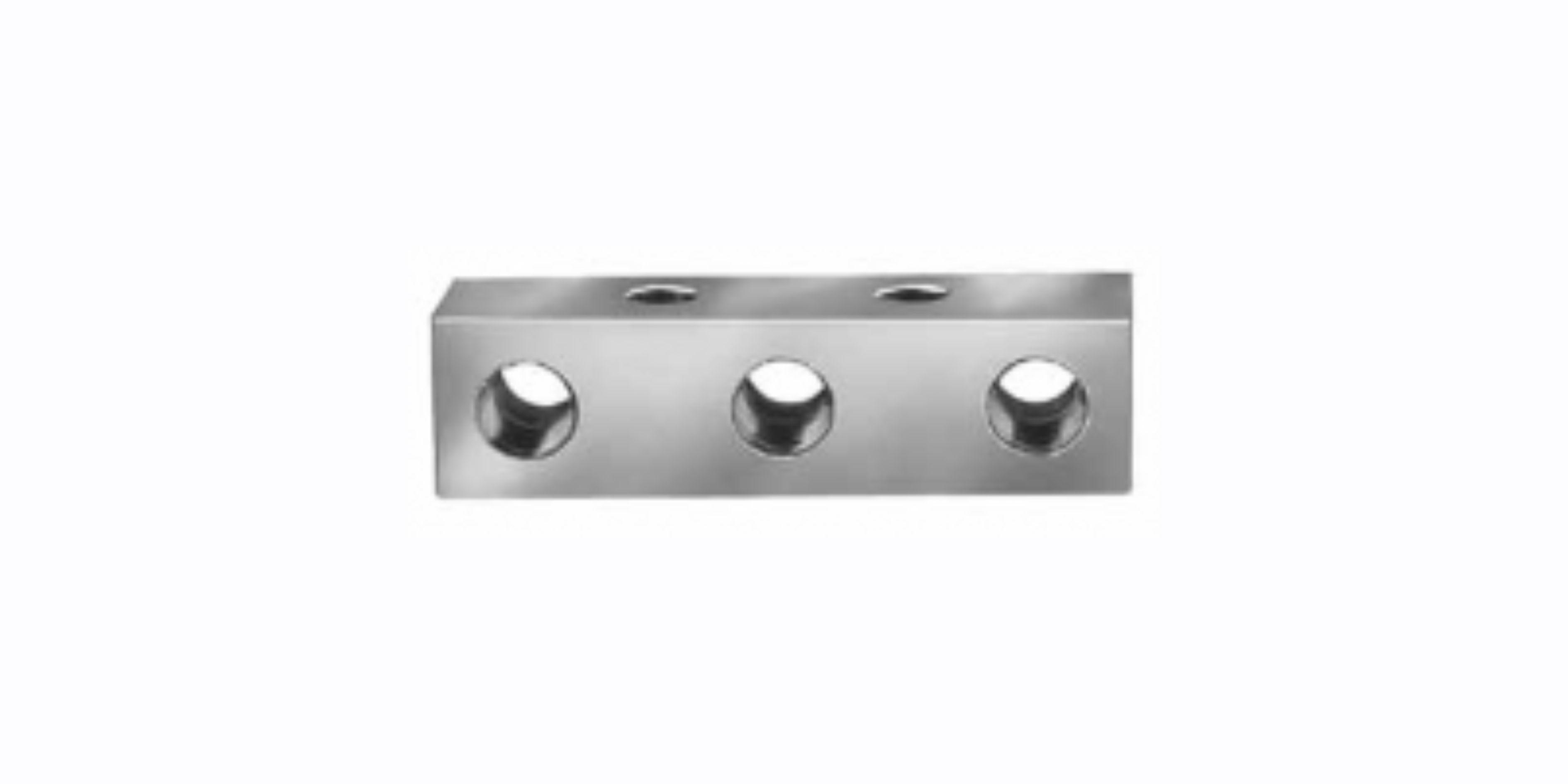
How Do Hoses, Adapters, and Grease Fittings Work in Remote Lubrication Systems?

Remote Lube Fitting Systems use hoses, adapters, and grease fittings to carry lubricant from an easy-to-reach point to machine parts that are difficult to access. These systems help industrial workers grease bearings, joints, and other moving parts without reaching into tight spaces. Each component has a specific role in moving grease through the system and helping machinery receive the lubrication it needs.
Hoses Carry Grease to Hard-to-Reach Areas
Hoses are an important part of remote lubrication systems. They create a path between the grease fitting and the machine part that needs lubrication. Instead of reaching directly into a tight space, workers can connect a grease gun at a more convenient location.
The hose carries grease through the system and delivers it to the required point. Its length and design depend on the machine layout and the distance between the fitting and the lubrication point.
When choosing a hose, workers should consider:
-
Length: It should reach the required lubrication point.
-
Pressure rating: It should handle the pressure produced by the grease gun.
-
Material: It should suit the working conditions.
-
Connection type: It should match the fittings and adapters being used.
A suitable hose helps make regular lubrication easier and more convenient.
Adapters Connect Different System Components
Adapters help join hoses, grease fittings, and other lubrication parts. They are useful when different components have different thread sizes, shapes, or connection types. In industrial equipment, not every lubrication point has the same design. Some machines may require angled connections, while others need specific thread combinations.
Adapters help create a suitable connection between these parts. For maintenance professionals, choosing the correct adapter is important because a poor connection can lead to grease leaks or interrupted delivery.
Common adapter types include:
-
Straight adapters for direct connections.
-
45-degree adapters for angled connections.
-
90-degree adapters for tight spaces.
-
Metric-to-English adapters for different thread standards.
Using the correct adapter helps keep the lubrication system connected and ready for regular maintenance.
Grease Fittings Control Lubricant Entry
Grease fittings provide the connection point where grease enters a machine component. They are commonly used on bearings, joints, and other parts that need regular lubrication.
When a worker connects a grease gun to a fitting, grease moves through the fitting and reaches the part that needs lubrication. In remote systems, the fitting may be placed away from the actual lubrication point and connected through a hose.
Choosing suitable Lubrication Fittings depends on thread size, fitting style, pressure needs, and equipment design. Common options include straight, angled, and button head fittings. Each type serves different connection and access needs.
How These Components Work Together
Hoses, adapters, and grease fittings work as one system to deliver grease to machine parts. Each component supports a different step in the lubrication process.
Here is how the process works:
-
A worker connects a grease gun to the remote fitting.
-
Grease enters the fitting under pressure.
-
The hose carries the grease toward the machine component.
-
Adapters provide the required connections between parts.
-
Grease reaches the selected lubrication point.
Well-matched Remote Lube Fitting Systems help maintenance teams reach difficult grease points and make routine servicing more convenient.
Choosing the Right Components for Industrial Equipment
Industrial workers should consider machine design, lubrication needs, and working conditions before selecting remote lubrication components. The hose must reach the required point, adapters must match the connections, and fittings must suit the machine.
It is also important to check thread sizes and pressure ratings before installation. Using compatible components helps reduce leaks and connection problems.
A well-planned setup can make lubrication easier in factories, construction equipment, agricultural machinery, and other industrial environments where some grease points are difficult to reach.
Frequently Asked Questions
What are remote lube fitting systems used for?
Remote lube fitting systems help workers apply grease to machine parts that are difficult to reach. They move lubricant through connected hoses and fittings, allowing workers to grease bearings, joints, and other components from a more accessible location.
Why are hoses important in remote lubrication systems?
Hoses carry grease from an accessible fitting to the required machine part. Their length, material, and pressure rating affect grease delivery. Choosing a suitable hose helps workers reach difficult lubrication points and complete regular maintenance tasks more easily.
What is the purpose of adapters in lubrication systems?
Adapters connect components with different thread sizes, shapes, or angles. They help join hoses, grease fittings, and other lubrication parts. Using the correct adapter creates a suitable connection and helps prevent leaks during regular equipment maintenance.
How do grease fittings work?
Grease fittings provide an entry point for lubricant in machine components. When connected to a grease gun, they allow grease to pass through the fitting and reach bearings, joints, and other parts that need regular lubrication.
How do you choose the right lubrication fittings?
Check thread size, fitting style, pressure requirements, and machine design before selecting lubrication fittings. These details help workers find compatible products for their equipment and support proper grease delivery during routine industrial maintenance.
Final Thought
Remote Lube Fitting Systems make machine maintenance easier by connecting grease guns to hard-to-reach lubrication points. Hoses carry the grease, adapters join different components, and fittings provide the entry point for lubricant. Each part plays an important role in the system.
Understanding their functions helps maintenance professionals choose suitable components for their equipment, improve access during routine servicing, and keep important machine parts properly lubricated.
