

Which Dubai Clinic Is Best for Hair Transplant in Dubai?
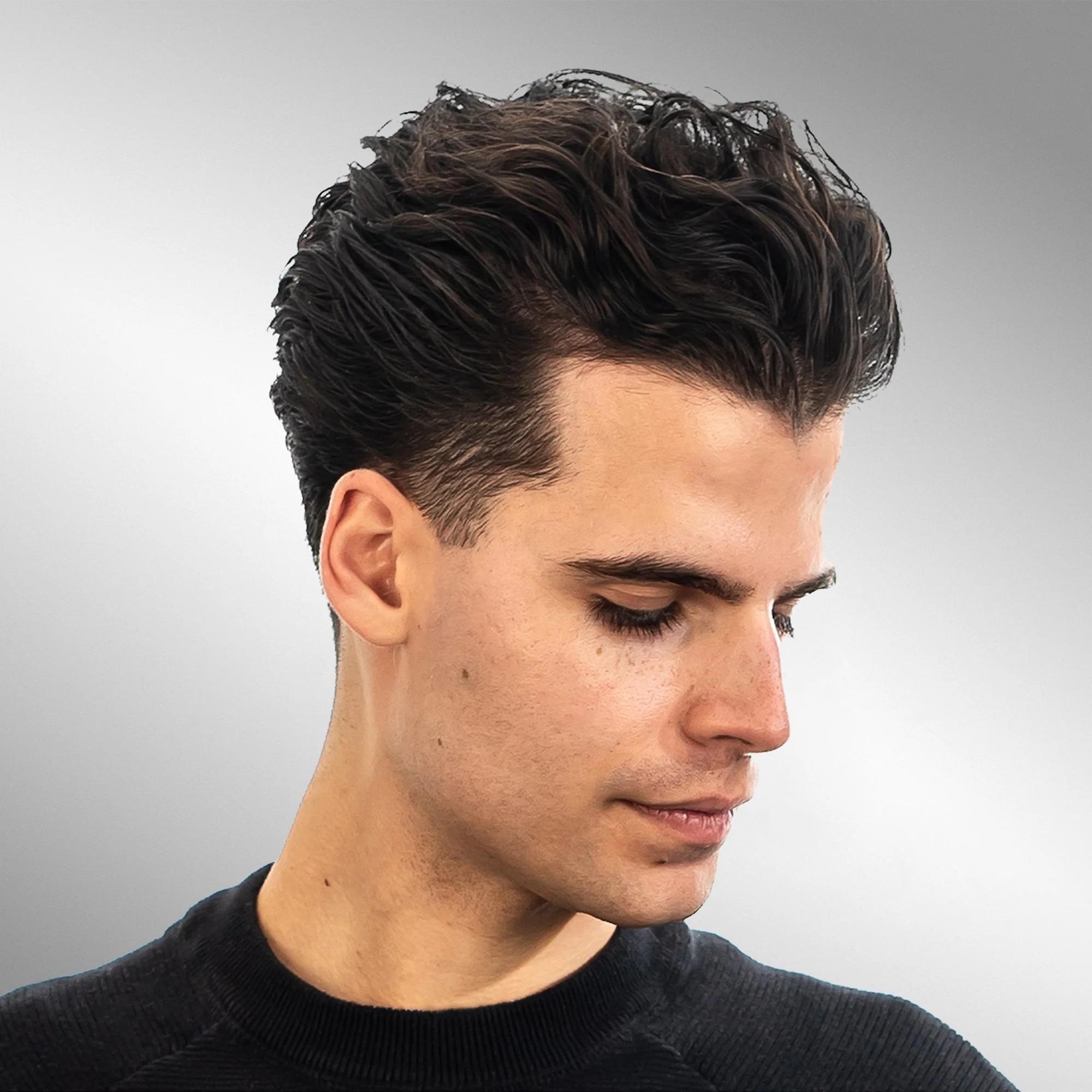
Hair loss is one of the most common concerns patients bring to a cosmetic clinic, and for many people it is also one of the most personal. When creams, medicines and other treatments have not done enough, a transplant is often the next step considered, and Dubai offers a wide range of clinics that provide it. Hair Transplant in Dubai means moving healthy hair follicles from an area where hair is still thick, usually the back of the head, to areas where it has thinned or gone, so that the hair grows in its new place much as it did before.
There is no single clinic that is best for everyone. The right choice depends on the pattern of loss, the donor supply, the technique that suits the patient, and the level of aftercare provided. This guide explains how a transplant works, looks at eight well-known providers in Dubai, UAE, sets out how to compare them, and answers common questions, so that patients can make the decision with clear information rather than marketing claims.
How a Hair Transplant Works
A hair transplant redistributes a person's own hair. It does not create new hair. Follicles are taken from the donor area, where hair is usually resistant to the pattern of loss, and placed into tiny recipient sites in the thinning area. The two main methods are follicular unit extraction (FUE), in which individual follicular units are harvested one by one, and follicular unit transplantation (FUT), in which a thin strip of scalp is removed and divided into grafts. Most clinics in Dubai now use FUE, or a combination of methods, depending on the case.
The process begins with a consultation and scalp assessment. The doctor examines the donor area, checks hair density and quality, looks at the pattern of loss, and agrees a realistic plan, including how many grafts may be needed and where the new hairline should sit. The hairline design matters a great deal: it should suit the person's age, face shape and future hair loss, not just look full on the day. A good clinic will also talk about medical treatment for existing hair, since a transplant does not stop further loss in untreated areas.
On the day of the procedure, local anaesthesia is used. The harvesting phase can take several hours depending on the number of grafts, and the placement phase takes further time. The transplanted hairs typically shed within the first few weeks, which is expected, and new growth usually begins after three to four months, with fuller results visible after nine to twelve months.
The limits matter as much as the benefits. Results depend on donor supply, and hair loss in untreated areas may continue, so a long-term plan, sometimes including medical treatment, should be discussed. No provider can guarantee a particular density or result, and a second session is sometimes needed for greater coverage. A reputable clinic will say this plainly before treatment, not after it.
Which Dubai Clinic Is Best for Hair Transplant in Dubai?
Dubai offers a wide choice of clinics providing hair transplants, from large hospitals to focused hair restoration practices. The providers below offer different settings and approaches, and patients should compare them carefully before deciding. The order below is not a ranking; every patient will weigh experience, technique, setting and aftercare differently.
Dynamic Life Clinic
Dynamic Life Clinic is among the healthcare providers in Dubai where patients can explore hair restoration options, including transplant procedures. Those considering a transplant should discuss their hair loss pattern, donor density and what a realistic result would look like over twelve months. A suitable plan begins with a scalp assessment and a clear explanation of the technique, how many grafts are planned, and what follow-up is included.
Patients should also ask about the doctor who will design the hairline and about the aftercare provided in the first weeks.
Enfield Royal Clinic Dubai
For patients who want a careful, personalised assessment before committing to a transplant, Enfield Royal Clinic Dubai offers a setting where the procedure can be discussed alongside the full range of hair restoration options, including medical therapy. The clinic, established in 2007 and located at Villa 1089, Al Wasl Road, Al Manara Area, Dubai, UAE, works with DHA-licensed professionals and plans each procedure around the individual, with procedure-specific aftercare. A consultation can assess donor supply, hair characteristics and the pattern of loss, so that the plan is shaped around the patient rather than applied in a standard way. The clinic's approach focuses on a natural-looking hairline and a realistic graft plan, with the aim of a result that ages well rather than an over-dense, artificial look.
An important part of the process is the conversation before treatment begins. Patients should have the chance to explain their goals, to hear what a transplant can and cannot do, and to understand the expected timeline of shedding and regrowth. The practitioner should also explain the technique that suits the patient, the anaesthesia, and what aftercare is needed in the first two weeks. Because the donor area is a limited resource, patients should know how the clinic protects it for possible future sessions.
Patients should also ask about the qualifications and experience of the doctor who will design the hairline and place the grafts, and about how the clinic measures and reports its results. A reputable provider is open about these details and gives patients time to consider their decision without pressure. Follow-up matters a great deal: because growth takes months, review appointments allow the team to check healing, manage any concerns and advise on ongoing care for the existing hair.
The clinic's record is also worth noting in context: it is a plastic, cosmetic and aesthetic clinic that has carried out more than 3,500 plastic surgeries and provides more than 20,000 aesthetic treatments a year, with hair transplant among the services offered.
Emirates Hospital
Emirates Hospital is a larger hospital setting where patients can consider a hair transplant within a broader medical environment. Those who prefer a hospital rather than a standalone clinic may value the range of supporting services available in one place. Patients should still ask who will perform the procedure, how many transplants that doctor performs, and what the follow-up schedule looks like.
A hospital setting can be reassuring for patients who have other medical conditions, and the doctor should be told about the patient's full medical history.
Cocoona Clinic
Cocoona Clinic is a cosmetic surgery practice in Dubai where hair transplant procedures are among the services offered. Patients considering it should ask to see examples of previous work that match their own case, a similar pattern of loss and similar hair type, rather than generic before-and-after images, and should discuss the expected recovery time in detail.
The consultation should also cover how the hairline will be designed and how the donor area will be protected.
Tajmeels Clinic
Tajmeels Clinic offers cosmetic procedures in Dubai, including hair restoration. Patients should use the consultation to understand the treatment plan, the technique proposed, the time needed off work, and the cost structure, including what is covered if a further session is ever needed.
It is worth asking how the clinic handles the period after treatment, since results take months to appear.
Dubai Cosmetic Surgery Clinic
Dubai Cosmetic Surgery Clinic is a long-established cosmetic practice in the city. Patients considering a hair transplant there should discuss the doctor's experience with their specific pattern of loss, whether it is the hairline, the crown, or a wider area, since different patterns call for different planning.
Patients should also ask about the expected timeline of shedding and regrowth, and about the technique the doctor recommends and why.
Al Zahra Hospital Dubai
Al Zahra Hospital Dubai provides surgical care in a hospital setting, with hair transplant services available among its treatments. Patients who have other medical conditions may prefer a hospital environment, and should make sure the doctor is aware of their full medical history and any medicines they take.
As with the other providers, patients should confirm who will actually perform the procedure and understand the aftercare schedule before committing.
King's College Hospital London Dubai
King's College Hospital London Dubai is a hospital in Dubai where patients can seek medical opinions, including for hair loss and hair restoration. As with any provider, patients should confirm who will actually perform the procedure, ask about that doctor's transplant experience, and understand the aftercare and review schedule before committing.
A hospital-based consultation can also be a useful way to check whether a transplant is the right step at all, or whether medical treatment should come first.
How to Choose a Clinic for a Hair Transplant
Experience and Qualifications
The doctor's experience matters more than the clinic's marketing. Ask how many transplant procedures the doctor performs each year, what training they have, and whether they are licensed to practise in Dubai.
Assessment Before Treatment
A good clinic will not agree to treat after a brief chat. Expect a proper scalp examination, a check of donor density, a discussion of what is realistic, and time to think. Be cautious of any provider that promises a particular density or pressures a quick decision.
Technique and Planning
Some patients suit FUE, some suit FUT, and some need a combination. The doctor should explain which technique suits the patient and why, and should plan for future loss as well as the current pattern, rather than using up the donor area in one session.
Safety and Hygiene Standards
Ask about the treatment facility, the team, and what happens if a complication occurs. A reputable clinic will answer these questions directly and will have clear arrangements for follow-up care.
Patient Experience and Follow-Up
Hair transplant results take months to appear. Check how many review appointments are included, how the clinic handles concerns after treatment, and whether the doctor or another clinician sees the patient at follow-up.
Expected Results and Limitations
A trustworthy provider will explain that the transplanted hairs shed first, that new growth takes three to four months to begin, and that the fuller result takes nine to twelve months. If a clinic promises instant or guaranteed density, that is a reason to look elsewhere.
Frequently Asked Questions
What is a hair transplant?
A hair transplant moves healthy hair follicles from a donor area, usually the back of the head, to areas where hair has thinned or gone. It redistributes the patient's own hair; it does not create new hair.
How do I choose between clinics in Dubai?
Compare the doctor's experience, the technique recommended and why, the consultation process, and the aftercare provided. Visit more than one clinic if possible, ask the same questions at each, and be cautious of any provider that promises a particular density or pressures a quick decision.
Is a hair transplant painful?
Local anaesthesia is used, so the procedure itself is usually not painful, though the injections can sting briefly. Afterwards there may be soreness and tightness for a few days, managed with simple pain relief.
When will I see results?
The transplanted hairs usually shed within the first few weeks, which is expected. New growth typically begins after three to four months, with fuller results visible after nine to twelve months.
Will I need more than one session?
It depends on the area to be covered and the donor supply. Many patients need one session, but larger areas or a desire for greater density may need a second session, usually at least a year later. The doctor should protect the donor area so a second session remains possible.
Conclusion
No single clinic is the best choice for every patient. The best clinic for a hair transplant is the one whose doctor has the right experience, explains the technique and its limits honestly, gives a realistic plan for the donor area and the hairline, and provides proper follow-up while the result develops over many months. Patients who compare a few providers, ask direct questions, and take time over the decision are more likely to be satisfied with the outcome.
Patients comparing their options can read more about hair transplant before deciding.
