

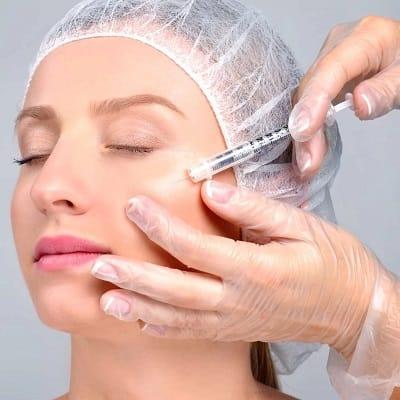

Facial symmetry plays an important role in overall appearance. Although no face is perfectly symmetrical, noticeable differences in volume, shape, or contour may affect how balanced facial features look. Natural aging, genetics, weight changes, and previous injuries can all contribute to these differences.
Modern cosmetic procedures offer different options for improving facial proportions. Fat transfer is one approach that uses a person's own fat to restore volume in selected facial areas. With careful planning, it may help soften hollows, improve contours, and create a more balanced appearance.
What Is Facial Fat Transfer?
Facial fat transfer treatment in Islamabad also known as facial fat grafting, is a cosmetic procedure that moves fat from one part of the body to selected areas of the face. The fat is commonly collected from the abdomen, thighs, or flanks through a liposuction technique.
After collection, the fat is processed to separate suitable fat cells from excess fluids and unwanted material. The prepared fat is then carefully placed into areas that may benefit from additional volume.
The treatment is personalized according to facial structure, skin condition, and individual cosmetic goals. The aim is not to create a perfectly symmetrical face but to improve balance while respecting natural features.
How Fat Transfer Can Improve Facial Symmetry
Facial asymmetry may appear in different ways. One cheek may look fuller than the other, the temples may have uneven volume, or certain facial areas may appear hollow.
A specialist can assess these differences and determine whether adding volume to selected areas may improve overall proportions. Small amounts of fat can be placed strategically to soften visible differences and create smoother transitions between facial features.
However, fat transfer cannot correct every type of asymmetry. Differences caused by bone structure, muscle movement, or underlying medical conditions may require other approaches. A detailed assessment helps identify the source of the concern before treatment is recommended.
Facial Areas That May Benefit from Fat Grafting
Fat grafting may be considered for several facial areas, depending on individual suitability.
Cheeks
Uneven cheek volume can affect the appearance of facial balance. Fat transfer may restore fullness to selected areas and improve cheek contours.
Temples
Hollow temples can make the upper face appear less full. Carefully placed fat may help restore volume and create smoother transitions around the forehead and cheeks.
Under-Eye Area
Some individuals have hollowing beneath the eyes that contributes to a tired appearance. Fat transfer may be considered in selected cases, but this is a delicate area that requires particular expertise because complications can occur.
Chin and Jawline
Selected patients may benefit from volume enhancement around the chin or nearby contours. The suitability of fat grafting depends on the underlying facial structure and the desired result.
Facial Scars and Contour Irregularities
In certain cases, fat grafting may help improve the appearance of selected depressions or contour irregularities. Results depend on the cause and characteristics of the affected area.
Benefits of Personalized Fat Transfer Solutions
One of the main advantages of fat transfer is that it uses the patient's own tissue. This may appeal to people who prefer an alternative to synthetic fillers.
Potential benefits include:
-
Natural tissue: The procedure uses fat collected from the patient's body.
-
Customized enhancement: Treatment can focus on specific areas that need additional volume.
-
Facial balance: Carefully planned placement may improve the relationship between facial contours.
-
Volume restoration: It may soften selected hollows associated with aging or volume loss.
-
Combined contouring: Fat removal from a donor area may also reduce localized fullness.
Not all transferred fat survives. Some is naturally absorbed during healing, and the final result varies between individuals.
Who Is a Suitable Candidate?
People considering facial fat grafting should generally be in good overall health and have enough suitable donor fat. They should also understand that the procedure aims to improve appearance rather than guarantee perfect symmetry.
During consultation, the surgeon reviews medical history, medications, allergies, previous cosmetic procedures, and individual expectations. Facial structure and donor areas are also assessed.
Patients with certain medical conditions or factors that increase surgical risks may require further evaluation. A specialist may recommend another treatment if fat grafting is unlikely to address the underlying concern.
How to Prepare for Facial Fat Transfer
Preparation begins with a detailed consultation. Patients should provide accurate information about their health, medications, supplements, allergies, and previous procedures.
The surgeon may give instructions about smoking, alcohol, and medicines before surgery. Patients should follow these recommendations carefully and arrange support for the initial recovery period.
It is also helpful to discuss the surgeon's qualifications, experience with facial fat grafting, facility standards, possible complications, and expected results. Clear communication helps establish realistic treatment goals.
Recovery and Expected Results
After facial fat transfer, patients may experience swelling, bruising, tenderness, and temporary discomfort. The donor area may also need time to heal after fat collection.
Recovery differs from person to person. Patients should follow instructions about facial care, activity restrictions, and follow-up appointments. They should avoid unnecessary pressure on treated areas and return to strenuous activities only when cleared by their surgeon.
Some transferred fat is absorbed during healing. The fat cells that survive may provide longer-lasting volume, but aging and weight changes can influence the appearance. Final results may take several months to become clear.
Choosing Fat Transfer Treatment in Islamabad
Choosing an appropriately qualified and experienced surgeon is essential for facial procedures. Patients should review professional credentials, ask about experience with delicate facial areas, and confirm that treatment is performed in a suitable medical facility.
A consultation for Fat Transfer Treatment in Islamabad can help determine whether fat grafting is appropriate for individual facial concerns. A responsible specialist should explain realistic outcomes, possible risks, and alternative treatments without promising perfect symmetry or permanent results.
Conclusion
Personalized facial fat transfer may help restore lost volume and improve selected contour differences. By using the patient's own fat, the procedure offers an option for subtle enhancement in suitable candidates. Careful assessment, appropriate surgical techniques, and realistic expectations are essential for making an informed decision.
Frequently Asked Questions
1. Can Fat Transfer Treatment in Islamabad improve facial symmetry?
Fat Transfer Treatment in Islamabad may improve selected facial differences caused by uneven volume or hollow areas. The outcome depends on facial anatomy, treatment planning, and individual healing.
2. Which facial areas can Fat Transfer Treatment in Islamabad address?
Fat Transfer Treatment in Islamabad may be considered for the cheeks, temples, selected under-eye hollows, and certain contour irregularities. A specialist must assess each area before recommending treatment.
3. Are results from Fat Transfer Treatment in Islamabad permanent?
Some transferred fat is absorbed during recovery, while surviving fat cells may remain for years. Natural aging and weight changes can affect the appearance over time.
4. Is Fat Transfer Treatment in Islamabad suitable for everyone?
No. Fat Transfer Treatment in Islamabad requires an assessment of overall health, available donor fat, facial anatomy, and cosmetic expectations. A qualified surgeon can determine whether it is an appropriate option.
For more information visit
Enfield royal clinic in islamabad
