

Roger Briggs writes music for full orchestras, bringing many instruments together to create rich and pleasing sounds. His work includes full symphonies and short musical pieces, each with its own style and theme. As a composer of orchestral music, Roger Briggs creates original works for musicians to play and audiences to enjoy.
His music gives listeners a chance to hear different tunes, beats, and sounds through the use of many instruments.
What Makes Roger Briggs' Orchestral Compositions Special?
He uses different instruments and music ideas to create his works. Each group of instruments has its own part to play. When all the groups come together, they create a full and rich sound.
Some of his known works include:
-
Fountain of Youth (2016): A piece for a full orchestra with a playing time of about 17 minutes and 30 seconds.
-
Symphony No. 1 "Tarot" (2000): A three-part work with the names Magician, Moon, and Warrior.
-
Symphony No. 2 "The Shoals" (2009): A three-part symphony with Singing River, Trail of Tears, and Boogie & Blues.
-
Pulsars (2010): A short piece for an orchestra with a playing time of about four minutes and 20 seconds.
These works show the range of music found in his contemporary orchestral repertoire. Each piece has its own sound and gives listeners something new to enjoy.
How Do Different Instruments Work Together in His Music?
An orchestra has different groups of instruments. Each group makes its own sound and adds something special to the music. He brings these sounds together to create a complete piece.
Here are the main groups of instruments used in an orchestra:
-
Strings: Violins, violas, cellos, and basses create tunes and add depth to the music.
-
Woodwinds: Flutes and clarinets bring soft and clear sounds to the piece.
-
Brass: Trumpets, horns, and trombones add loud and strong sounds.
-
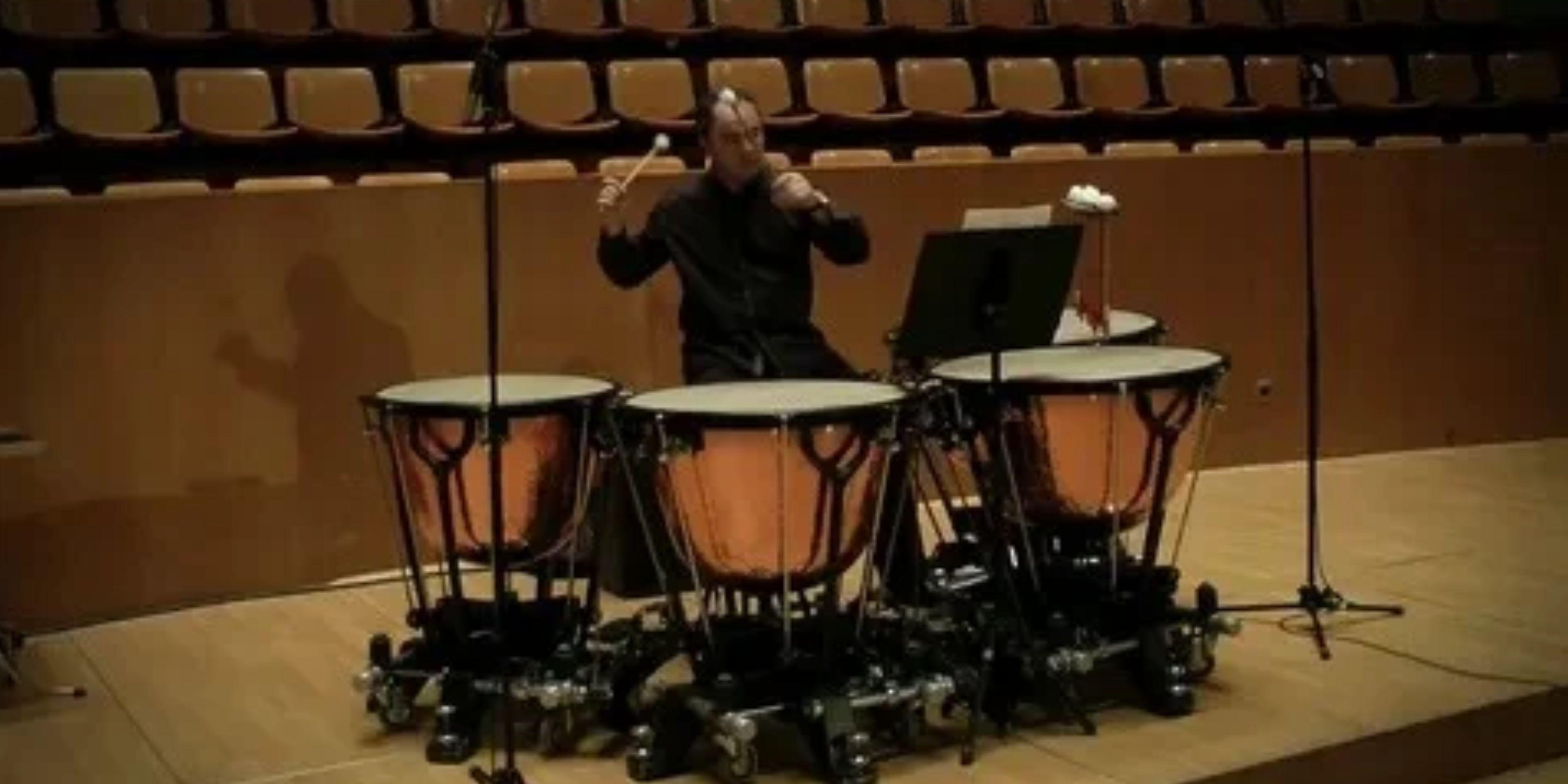
Percussion: Drums and other beat-making instruments add rhythm and energy.
Each group has its own part, but all the instruments work together. Their sounds help bring the music to life and make each piece enjoyable to hear.
Which Roger Briggs Compositions Should Listeners Explore?
Listeners who want to know more about his music can start with some of his well-known works. The table below gives a quick look at a few pieces and their details.
|
Composition |
Year |
Playing Time |
|
Fountain of Youth |
2016 |
17:30 |
|
Gathering Together |
1996 |
15:45 |
|
Moon |
2004 |
5:50 |
|
Pulsars |
2010 |
4:20 |
|
Symphony No. 1 "Tarot" |
2000 |
17:00 |
|
Symphony No. 2 "The Shoals |
2009 |
29:00 |
Each work has its own theme and length. For example, Moon is the second part of Symphony No. 1. In the same way, The Shoals has three parts, each with a different name and theme. These pieces give listeners a simple way to explore his music.
How Can Musicians Find Roger Briggs' Musical Works?
Roger Briggs offers ways for musicians and music lovers to learn about his compositions. His website has details about his works and the music materials available for selected pieces.
Some of the available options include:
-
Score Samples: Musicians can look at sample pages to see how a piece is written before choosing it.
-
PDF Scores: Digital copies of selected music scores are available to view.
-
Score and Parts Rental: Some full orchestra works have scores and separate music parts available for rent.
-
Music Recordings: Recordings let listeners hear how selected pieces sound when played by an orchestra.
These options help musicians explore his contemporary orchestral repertoire and find music for learning and performance.
How Does Roger Briggs Bring New Ideas to Orchestra Music?
He uses different tunes, themes, and groups of instruments in his works. His music gives conductors and musicians new pieces to learn and play. Each musician can study their part and work with the rest of the orchestra to perform the full piece.
His works also give listeners more music to explore beyond well-known classical pieces. Some compositions are short, while others take more time to play. This range gives music lovers a chance to discover different sounds and styles.
Final Thought
Roger Briggs' orchestral compositions offer something to explore for musicians, conductors, and music lovers. His collection includes full symphonies and short pieces with different themes and sounds.
As a composer of orchestral music, he adds original works to the contemporary orchestral repertoire. Exploring his scores and recordings is a simple way to learn more about his music and enjoy the sounds of a full orchestra.
