

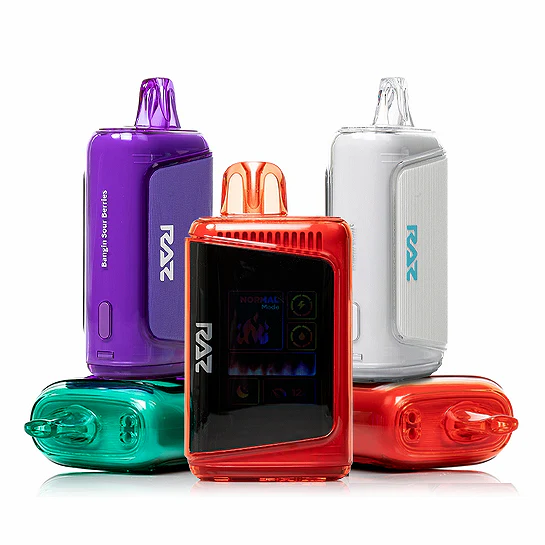

Vape devices come in different sizes, designs, and operating styles. Understanding how these products work can help adult consumers make informed decisions about device features, maintenance, storage, and product information. Before choosing any vaping product, it is important to understand its ingredients, nicotine strength, battery capacity, and operating instructions. Vaping carries health risks, and nicotine is addictive. People who do not use tobacco or nicotine should not start vaping.
50 bar vape is one of the product names that adult consumers may come across when researching disposable vape devices. Learning about a product before making a decision is important. Rather than focusing only on its appearance or advertised puff count, I recommend checking the specifications, manufacturer information, and instructions. A little research can help readers understand what a product contains and whether its features meet their expectations.
1. Understand the Basic Features of Vape Devices
The first step when researching a vape device is learning about its basic components. Different devices have different designs, but most include a battery, heating element, e-liquid reservoir, and mouthpiece.
Understanding these components makes product specifications easier to read. It also helps consumers identify the information that matters when comparing different devices.
Here are some common features to understand:
-
Battery capacity: Usually measured in milliampere-hours (mAh). It provides information about the battery's electrical capacity.
-
E-liquid capacity: Indicates how much liquid the device can contain.
-
Nicotine strength: Shows the nicotine concentration, commonly expressed as a percentage or mg/mL.
-
Charging connection: Some rechargeable devices use USB Type-C connections.
-
Display screen: Certain models include screens showing battery or e-liquid information.
-
Airflow design: Describes how air moves through the device during operation.
These specifications provide useful information, but they do not establish that a product is safe. I suggest reading the manufacturer's instructions instead of relying entirely on advertising descriptions.
2. Research Flavors and Product Information Carefully
Product descriptions often include flavor names, ingredient details, and other specifications. Understanding these details is important when researching vaping products. Flavor descriptions can vary between manufacturers, so consumers should avoid assuming that similar names mean identical ingredients.
When comparing product information, I recommend checking the following details:
-
Read the complete product description.
-
Check the manufacturer's ingredient and nicotine information.
-
Review the available flavor descriptions.
-
Look for clear labeling and packaging information.
-
Check whether the product complies with applicable regulations.
-
Avoid products with missing or misleading information.
For readers researching different options, Hidden Hills X Fifty Bar provides a product-related resource for exploring flavor listings.
It is also important to remember that flavor names describe a product's intended taste profile. They do not provide information about its health effects. A familiar fruit or mint description should not be treated as evidence that a vaping product is harmless.
3. Pay Attention to Battery and Charging Information
Battery information is another important part of understanding electronic vaping devices. Rechargeable models require proper handling because they contain lithium-ion batteries.
Reading the charging instructions helps consumers understand the manufacturer's recommended charging method. Using unsuitable charging equipment or ignoring signs of battery damage can create safety risks.
Consider these general battery safety practices:
-
Use only the charging equipment recommended by the manufacturer.
-
Do not charge a damaged device.
-
Keep charging devices away from water and excessive heat.
-
Avoid leaving a device charging unattended.
-
Stop using a device if it becomes unusually hot.
-
Never attempt to open or repair a sealed battery yourself.
A battery's capacity does not tell you exactly how long it will last. Actual performance depends on several factors, including device design, battery condition, and power requirements.
Consumers should also understand that disposable devices are not necessarily rechargeable. Never attempt to charge a model that is not designed for charging.
4. Follow Proper Storage and Handling Practices
Storage is often overlooked when people research electronic products. However, temperature, moisture, and physical damage can affect electronic devices and their batteries.
Following the manufacturer's storage recommendations is a practical way to reduce avoidable handling problems.
Some useful storage considerations include:
-
Keep devices away from direct sunlight.
-
Avoid storing them in hot vehicles.
-
Keep them away from water and damp areas.
-
Protect them from drops and physical pressure.
-
Keep products in their original packaging when appropriate.
-
Store all vaping products securely away from children and pets.
Nicotine-containing e-liquids can be dangerous if swallowed or absorbed through the skin. Keep products and any leaked liquid out of children's and pets' reach. Follow local guidance for accidental exposure.
Another important point is checking the packaging before using or handling any electronic product. Damaged packaging, leaking liquid, or signs of tampering deserve attention. Avoid using products that appear damaged or have unclear labeling.
5. Check Product Authenticity and Understand Local Regulations
Product authenticity is an important consideration when researching consumer electronics and vaping products. Unverified products may have inaccurate specifications, unclear ingredients, or inadequate quality information.
I recommend checking the manufacturer's official information and looking for details that help establish whether a product is genuine.
Here are a few things worth checking:
-
Manufacturer or brand information.
-
Clear product labeling.
-
Batch or identification details, where provided.
-
Nicotine concentration and ingredient information.
-
Applicable product authorization or regulatory status.
-
Instructions for use and safety warnings.
Online descriptions should not be the only source of product information. Product specifications can change between models and editions, so checking the exact model is important.
Consumers in the United States should also understand federal, state, and local vaping regulations. Product availability does not automatically mean a product is legally authorized for sale. Age restrictions and other requirements may apply.
Taking time to check these details provides a clearer understanding of what a product is and what information is available about it.
6. Make Informed Decisions and Handle Vape Waste Responsibly
Making informed decisions starts with understanding the difference between product features and health information. Puff counts, battery capacity, screen designs, and flavor descriptions are technical or marketing details. They do not demonstrate that vaping is safe or that a particular product is suitable for everyone.
I find it useful to organize product research around a few important questions:
-
Is the product clearly labeled?
-
Are its specifications available?
-
Is the nicotine content clearly identified?
-
Does the manufacturer provide proper instructions?
-
Does the product comply with local regulations?
-
Is there reliable information about its ingredients?
Responsible disposal is equally important. Disposable vaping devices can contain batteries, electronic components, and leftover e-liquid. They should not automatically be placed in ordinary household rubbish or recycling bins.
Instead, check local electronic waste collection services and battery recycling instructions. Follow local rules for disposing of nicotine-containing products and electronic components. Never burn, crush, or dismantle a disposable device.
For people who are researching product availability,Fifty Bar 20K Puffs is another resource to explore. Always verify applicable age requirements, local laws, and product authorization before considering availability.
Conclusion
Understanding vaping products involves more than looking at product names, flavors, or advertised features. Battery information, ingredients, nicotine strength, product authenticity, storage instructions, and disposal practices all deserve attention. These practical research tips can help adult readers understand product descriptions and recognize important safety information. Vaping is not risk-free, and people who do not currently use nicotine should not begin. Taking an informed approach means checking reliable sources, following regulations, and prioritizing health and safety when evaluating any vaping-related product.
