

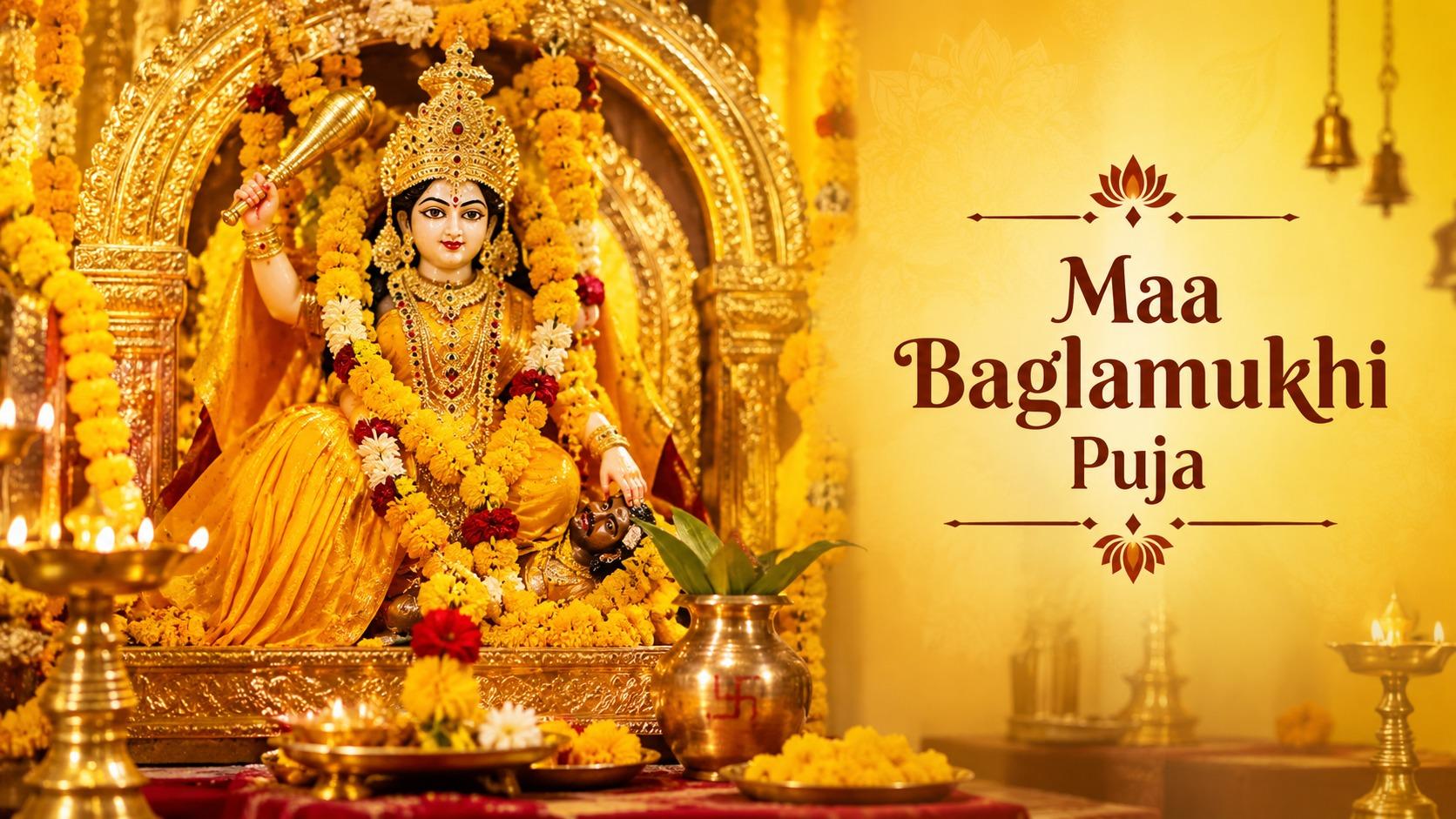
Understanding the Cultural Role of Community Gatherings During Baglamukhi Puja

Community gatherings are an important part of many religious traditions. During Maa Baglamukhi Puja, devotees may come together to participate in prayers, observe rituals, share devotional experiences, and celebrate occasions connected with the Goddess. These gatherings create opportunities for people to connect through shared beliefs while keeping local customs and religious practices alive.
Baglamukhi puja community gatherings are not limited to the performance of worship rituals. They can also reflect cultural identity, family traditions, collective participation, and the relationship between temples and their surrounding communities. The nature of these gatherings varies between regions, temples, and families, but their shared purpose is often to bring devotees together in a respectful devotional environment.
What Are Community Gatherings During Baglamukhi Puja?
Community gatherings refer to occasions when devotees assemble at a temple, religious venue, or designated place to participate in activities associated with Maa Baglamukhi worship.
These gatherings may take place during regular puja occasions, festivals, special ceremonies, or other religious events. Depending on local traditions, they can include collective prayers, devotional singing, religious discussions, and the distribution of prasad.
Some gatherings are organised by temple authorities, while others may be arranged by families, local religious groups, or community organisations. The number of participants and the activities involved depend on the occasion and available arrangements.
For many devotees, participating in these events provides an opportunity to experience worship as a shared cultural and religious activity rather than only as an individual practice.
Religious Significance of Collective Participation
Collective participation can strengthen the connection between devotees and their religious traditions. When people gather for worship, they share time, prayers, and experiences that may have been passed down through generations.
1. Encouraging Shared Devotion
During community worship, devotees may participate in prayers, listen to religious recitations, or join devotional singing. These activities create a shared environment in which people can express their faith together.
For individuals who usually perform puja at home, attending a community gathering can provide a different experience of worship. It also allows them to observe how other devotees follow traditional practices.
2. Understanding Maa Baglamukhi Worship
Maa Baglamukhi is one of the ten Mahavidyas in Shakta traditions. Her worship has different forms across religious communities, and local customs can influence how devotees observe particular occasions.
Community gatherings may introduce visitors to traditional prayers, devotional literature, and explanations of religious practices. Listening to knowledgeable priests or experienced devotees can help newcomers understand the cultural background of the worship.
3. Creating a Sense of Belonging
Religious participation often brings together people from different age groups and family backgrounds. Shared activities can create a sense of connection among individuals who follow similar devotional traditions.
For some devotees, regular participation in temple gatherings becomes an important part of their religious and community life.
Cultural Events Associated With Baglamukhi Puja
Cultural events can form an important part of religious gatherings, especially during festivals and special occasions. Their organisation and activities differ according to regional customs and temple traditions.
Festival Celebrations
Special occasions associated with Maa Baglamukhi may attract devotees who gather to offer prayers and observe traditional celebrations. Some temples may arrange devotional programmes, religious recitations, or community activities.
These celebrations can also include traditional decorations, flower arrangements, lamps, and other elements that reflect local cultural practices. The exact arrangements depend on the temple and the nature of the occasion.
Bhajans and Devotional Singing
Bhajans and other devotional songs are commonly used in many Hindu religious gatherings. During a Baglamukhi worship event, devotees may sing hymns dedicated to the Goddess or listen to organised devotional performances.
Collective singing gives participants an opportunity to engage with worship through music. It can also help younger visitors become familiar with devotional songs and traditional forms of religious expression.
Religious Discussions and Storytelling
Some community events include discussions about Maa Baglamukhi, Shakta traditions, and the cultural background of worship practices.
Experienced devotees, priests, or religious speakers may explain traditional stories, the significance of prayers, and the meaning of selected symbols. These discussions can help participants understand the difference between established religious teachings, regional customs, and personal interpretations.
How Community Gatherings Preserve Cultural Traditions
Religious traditions continue through regular practice and the sharing of knowledge between generations. Community gatherings provide an environment where this exchange can happen naturally.
Passing Customs to Younger Generations
Children and young adults can learn about religious customs by observing family members and other devotees during temple events.
They may become familiar with traditional prayers, respectful behaviour in religious spaces, festival arrangements, and the importance of community participation. Such experiences can help families introduce cultural traditions without relying only on written explanations.
Preserving Regional Practices
Different communities may follow different customs during Maa Baglamukhi worship. These differences can be seen in devotional songs, festival arrangements, offerings, and the way gatherings are organised.
Community events allow local practices to remain visible and provide opportunities for older members to share their knowledge. Preserving these traditions does not require every community to follow an identical method of worship.
Maintaining Family Connections
Religious gatherings can also bring extended families together. Relatives who live in different places may meet during important occasions, participate in prayers, and share traditional meals or prasad according to local customs.
These shared experiences can strengthen family relationships while keeping religious and cultural practices connected with everyday community life.
The Role of Religious Participation in Community Life
Religious participation involves more than attending a ceremony. Devotees may contribute in different ways depending on their interests, abilities, and the arrangements made by temple authorities.
Some may help organise seating, maintain cleanliness, prepare designated areas, arrange flowers, or assist visitors. Others may participate in devotional singing, prayers, or community discussions.
Voluntary participation can help religious events run smoothly and encourage cooperation among community members. However, activities should always be organised with respect for temple rules and the guidance of authorised organisers.
Community participation should also remain welcoming. Visitors who are unfamiliar with particular customs should be given clear instructions rather than being expected to understand every practice immediately.
How to Participate Respectfully in Baglamukhi Puja Community Gatherings
First-time visitors may find a large religious gathering unfamiliar. Understanding basic expectations can help them participate comfortably.
· Learn about the event: Check the occasion, schedule, and activities before attending.
· Follow temple customs: Respect instructions regarding footwear, clothing, photography, and designated areas.
· Maintain cleanliness: Avoid littering and use the facilities provided by the organisers.
· Respect ongoing rituals: Keep pathways clear and avoid interrupting prayers or ceremonies.
· Participate according to your comfort: Join devotional activities voluntarily and follow the guidance provided.
· Respect different customs: Remember that religious practices may vary between families and communities.
· Be considerate of other visitors: Allow elderly devotees and people who need assistance to move comfortably.
These simple practices support an organised and respectful environment for everyone attending the event.
Challenges in Organising Community Gatherings
Large religious gatherings require planning to ensure that devotees can participate safely and comfortably.
Crowded spaces can create difficulties with seating, movement, cleanliness, and access to worship areas. Organisers may need to arrange separate entry and exit routes, provide drinking water, manage queues, and offer assistance to elderly visitors.
Clear communication is equally important. Sharing accurate information about event timings, ritual arrangements, and visitor guidelines can help prevent confusion.
Another important consideration is respecting the temple's traditional practices. Cultural programmes should complement the religious occasion rather than interfere with the worship activities.
Frequently Asked Questions
Why are community gatherings important during Baglamukhi Puja?
They provide opportunities for collective worship, cultural exchange, devotional participation, and the preservation of local religious traditions.
What activities take place during Baglamukhi community events?
Activities may include collective prayers, bhajans, religious recitations, festival celebrations, discussions, and prasad distribution. Arrangements vary between temples.
How do these gatherings help preserve cultural traditions?
They allow older generations to share religious knowledge and customs with younger participants through observation, discussion, and shared activities.
Can first-time visitors participate in these gatherings?
Yes. Visitors can attend according to the temple's guidelines and participate in activities that are open to devotees. They should follow instructions from temple authorities.
Conclusion
Baglamukhi puja community gatherings bring together religious participation and cultural traditions. Through collective prayers, devotional music, festival celebrations, and shared experiences, these occasions help maintain connections between devotees, families, and local communities.
Their importance lies not only in the activities performed but also in the opportunities they create for learning, cooperation, and preserving traditional practices. By participating respectfully, devotees can contribute to a welcoming religious environment while developing a deeper understanding of the cultural role of Maa Baglamukhi worship.
