


Global Chlorine Price Outlook – November 2026
Chlorine Price Trend 2026 showed mixed regional movements, with prices declining in Northeast Asia, increasing in Europe, and remaining unchanged in North America. During November, chlorine prices stood at USD 0.30/KG in Northeast Asia, USD 0.40/KG in Europe, and USD 0.67/KG in North America. Northeast Asia recorded a 3.2% decrease, while Europe registered a 5.3% increase. North American prices remained stable.
These differences reflected variations in regional production costs, industrial consumption, and supply availability. European prices experienced upward pressure, while weaker pricing conditions prevailed in Northeast Asia. North America maintained the highest regional quotation. Businesses tracking procurement costs can refer to the Chlorine Historical Price Chart to understand historical movements, regional differences, and purchasing trends.
What Were the Regional Chlorine Prices in November 2026?
The following table highlights the latest regional price assessments and monthly movements.
Regional price observations:
- Northeast Asia: Prices reached USD 0.30/KG, declining by 3.2% during November.
- Europe: Prices increased to USD 0.40/KG, recording a 5.3% monthly rise.
- North America: Prices remained unchanged at USD 0.67/KG.
The regional spread highlights differences in production economics and procurement conditions. North America recorded the highest price, followed by Europe and Northeast Asia. European pricing strengthened during the month, whereas Northeast Asia experienced downward pressure. North America's unchanged quotation indicated relative price stability. These variations highlight the importance of monitoring local production capacity, transportation expenses, energy costs, and downstream industrial requirements when negotiating chlorine procurement contracts.
Get A Sample Report Today - https://www.imarcgroup.com/chlorine-pricing-report/requestsample
How Did Chlorine Prices Perform Across Key Countries?
Country-level chlorine prices depend on domestic production capacity, industrial consumption, and supply availability. The November assessment provides regional benchmarks rather than individual country quotations.
North America: United States
The North American benchmark stood at USD 0.67/KG, remaining unchanged during November. The United States has established chlorine consumption across PVC manufacturing, water treatment, and industrial chemical production. Consistent downstream requirements support demand, while chlor-alkali operating rates influence overall supply availability.
Asia-Pacific: Japan, India and China
Northeast Asian prices declined by 3.2% to USD 0.30/KG during November.
- Japan: Chlorine demand is supported by chemical manufacturing, water treatment, and industrial processing. Domestic production and downstream operating rates influence procurement conditions.
- India: Consumption from water treatment, pharmaceuticals, textiles, and chemical manufacturing supports domestic requirements. Chlor-alkali capacity and captive consumption influence merchant availability.
- China: Large-scale chlor-alkali production and PVC manufacturing remain important factors affecting chlorine supply and demand.
South America: Regional Market Conditions
South American country-level quotations were not available in the November assessment. Regional demand is supported by water treatment, pulp and paper, and chemical manufacturing. Domestic production capacity, import availability, and transportation expenses remain important factors influencing procurement costs.
What Influenced Chlorine Supply and Demand in November 2026?
Chlorine supply is closely connected to caustic soda production because both chemicals are manufactured through the chlor-alkali process. This relationship makes chlorine availability dependent on the operating economics of integrated production facilities.
On the supply side, electricity expenses, plant utilisation, scheduled maintenance, and raw material availability influence production levels. On the demand side, PVC manufacturing, water treatment, pharmaceuticals, and chemical processing remain important consumption sectors.
PVC production is particularly significant because chlorine is used to manufacture ethylene dichloride and vinyl chloride monomer, which are essential intermediates for PVC.
During November, differences in regional pricing highlighted the importance of local supply-demand balances. Procurement managers continued to consider production costs, downstream consumption, and merchant availability when evaluating purchasing requirements.
How Did the Chlorine Price Index Change in November 2026?
Chlorine Price Index and Historical Analysis
The Chlorine Price Index recorded contrasting regional movements during November. Northeast Asia experienced a 3.2% decline, Europe registered a 5.3% increase, and North America remained unchanged.
The regional differences reflected variations in production economics, industrial requirements, and supply availability. Europe's upward movement contrasted with weaker Northeast Asian pricing, while North American quotations maintained stability.
Historical price comparisons help businesses understand changes in procurement costs and evaluate purchasing cycles. Comparing November with the previous quarter requires consistent July–September pricing observations. The monthly regional assessments provide a useful reference for tracking market direction and identifying changing regional cost conditions.
What Is the Chlorine Price Forecast for the Next 12 Months?
Over the next 12 months, chlorine prices are expected to remain influenced by electricity costs, chlor-alkali operating rates, and downstream industrial demand.
- Northeast Asia: PVC manufacturing activity, chemical consumption, and regional production availability will influence future price movements.
- Europe: Electricity expenses and production capacity adjustments will remain important factors affecting manufacturing costs.
- North America: Water treatment requirements, industrial consumption, and plant operating rates will influence price stability.
Stronger PVC demand and production disruptions could support price increases, whereas higher plant utilisation and improved supply availability may restrict upward movements.
Businesses should monitor regional production developments, energy expenses, and downstream consumption to manage procurement budgets and negotiate competitive supply contracts.
What Are the Key Factors Affecting Chlorine Prices Monthly?
Several factors influence monthly chlorine price movements across major producing regions.
- Energy costs: Chlor-alkali production requires substantial electricity consumption. Higher electricity expenses increase production costs, particularly in energy-intensive markets.
- Chlor-alkali demand: Changes in caustic soda demand influence integrated plant operating rates and chlorine availability.
- PVC manufacturing: Demand from construction, infrastructure, and polymer production directly affects chlorine consumption.
- Freight expenses: Specialised transportation, storage, and handling requirements influence delivered chlorine costs.
- Water treatment: Municipal and industrial sanitation requirements provide consistent demand for chlorine.
- Production capacity: Plant maintenance, operational disruptions, and new capacity additions can change regional supply conditions.
These factors collectively determine the balance between production availability and industrial purchasing requirements.
What Is Chlorine and Where Is It Used?
Chlorine is a greenish-yellow chemical element with the symbol Cl and atomic number 17. It is commercially produced mainly through the electrolysis of sodium chloride brine using chlor-alkali technology.
Its major industrial applications include:
- Water treatment: Used for disinfecting drinking water and wastewater.
- PVC manufacturing: An essential raw material for producing vinyl chloride monomer and PVC.
- Chemical manufacturing: Used in solvents, intermediates, and industrial chemicals.
- Pharmaceuticals: Supports the production of various pharmaceutical intermediates.
- Pulp and paper: Chlorine-based chemicals are used in selected bleaching processes.
- Sanitation: Used in manufacturing disinfectants and industrial cleaning products.
Due to its toxic and corrosive properties, chlorine requires specialised handling, storage, and transportation systems.
What Were the Major Chlorine Industry Developments in November 2026?
Two important capacity developments influenced the broader chlor-alkali industry during November.
European production changes: Vynova's decision to discontinue chlor-alkali and associated VCM production at its Tessenderlo facility in Belgium highlighted the impact of high energy expenses on European chemical manufacturing.
Indian capacity expansion: Kutch Chemical Industries commissioned a chlor-alkali facility at Padana, Gujarat, with an annual caustic soda production capacity of 220,000 tonnes. The facility also produces chlorine as a co-product, supporting domestic chemical manufacturing capacity.
These developments highlight the importance of production economics, capacity utilisation, and regional supply availability in determining future chlorine market conditions.
Frequently Asked Questions About Chlorine Prices
What Was the Chlorine Price Index in November 2026?
Chlorine prices stood at USD 0.30/KG in Northeast Asia, USD 0.40/KG in Europe, and USD 0.67/KG in North America. Monthly movements were -3.2%, +5.3%, and unchanged, respectively.
What Does the Chlorine Price Chart Indicate?
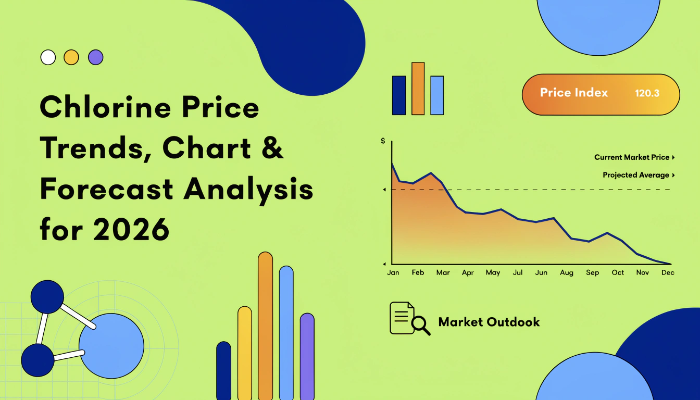
The Chlorine Price Chart highlights regional price differences and monthly fluctuations. It helps procurement managers compare historical quotations, identify changing market conditions, and evaluate purchasing opportunities.
What Factors Will Influence Chlorine Prices in the Next 12 Months?
Electricity expenses, chlor-alkali production rates, PVC demand, freight costs, and water treatment consumption will influence future chlorine prices. Regional capacity changes and industrial activity will also affect supply availability.
How IMARC Group Helps Businesses Track Chlorine Prices
IMARC Group provides detailed insights into chlorine prices, historical trends, regional movements, and market developments. This information helps businesses understand price changes, compare regional costs, and make informed purchasing decisions. Over the next 12 months, energy costs, chlor-alkali production, and PVC demand will remain key factors influencing chlorine prices.
Contact Us:
IMARC Group
134 N 4th St., Brooklyn, NY 11249, USA
Email: sales[@]imarcgroup.com
Tel No:(D) +91 120 433 0800
United States: +1-201971-6302
