

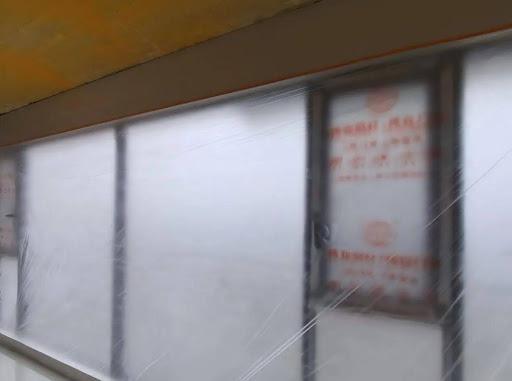
How renovation teams protect windows and glass doors while work goes on around them

Renovation teams protect windows and glass doors by treating the glass as a finished product from the first morning of the job, and the method runs in a simple order. First, walk the house and survey every pane and glass door, noting which ones face plastering, tiling or cutting. Second, film every face before the dirty work starts, using widths matched to panes and doors so each one is covered in a pass or two instead of a puzzle of offcuts. Third, harden the places where contact is certain: boards or extra layers where materials are carried past, and protection at handle height on doors.
Fourth, respect the calendar, because film left baking on a sunny pane for a whole summer can become a problem of its own, so long jobs get film rated for the duration. Last, plan the removal before the application is finished: the film comes off at the end as an inspection, pane by pane, while there is still time to act on anything found. None of it is complicated, but all of it is specific, and teams that follow the order hand back glass without the scratch count that clients dread.
Start with a walk around the glass
The survey takes ten minutes and saves the whole exercise from guesswork. Walk the house and list every pane, its size, its exposure and its neighbours. A window beside the mixer station lives a harder life than one in a quiet bedroom. A glass door on the route to the skip is in more danger than any window in the building. South facing panes will bake whatever covers them, while shaded ones stay cool and forgiving. The list that comes out of this walk decides where film is enough, where a board is needed, and which panes get checked every week without fail.
Film the faces, board the danger zones
Film covers the broad faces, and it does most of the work. Low panes beside a work area, the lower half of glass doors, and any pane within reach of a swinging bucket want more than film: a sheet of board or card fixed over the film turns a hard knock into a soft one, and stops ladders and barrow handles from writing on the glass through the film. The combination is the professional habit. Film for the dust, the splashes and the grit, board for the impacts. Edges are taped so nothing creeps underneath, and corners, where film loves to lift, get a second look before the team moves on.
Rolls sized for panes, not for floors
Renovation glass comes in awkward sizes, and waste slows everything down. Teams that protect glass on every job keep the arithmetic simple by ordering from a renovation glass protection film manufacturer that supplies widths matched to panes and doors, so a standard window is covered in one or two passes without a puzzle of offcuts. The adhesive is chosen for glass and for the calendar, strong enough to stay through the works, gentle enough to leave a sunny pane cleanly at the end. Consistency matters as much as size: a film that behaves the same in January and July can be planned around, and planning is the entire game. The range runs to those pane and door widths, with adhesive grades for short programmes and long ones alike, so the order can be matched to the job in front of the crew.
Working around protected glass
Once the glass is covered, the rules of the house change slightly. Nothing leans on a pane, filmed or not, because a ladder foot on film still presses grit where it stands. Tins and tools keep a respectful distance, and the person who strips a pane early for any reason replaces its protection the same day and tells the team. These sound like small disciplines, and they are, but glass damage is a small discipline failure repeated daily. The film does the heavy lifting. The habits stop the team from defeating it in the gaps. A covered pane also sends a message to every trade that follows: this house is being looked after, so look after it.
Sunlight and duration still apply
Glass is where film duration stops being a theory. A pane in full sun is a gentle oven, warming its film daily and urging the adhesive to bond harder and harder, while the same film on a shaded pane stays docile. Long renovations therefore get a date, not a hope. Each pane carries its application date on the film itself, and the sunny elevations are checked first and stripped first. If a job overruns, the film on the hottest glass is renewed rather than trusted, because a morning of new film is cheaper than an afternoon of scraping old adhesive off a door.
Removal day is the inspection
At the end of the work the film comes off room by room, and removal doubles as the inspection it has been protecting the glass for. Peel slowly, wash the pane, then look at it the way the client will: against the light, at an angle, in the evening if possible. Protected glass passes this test with nothing to report, which is the entire point. The team leaves behind windows that were installed before the mess and look installed after it, and the renovation is remembered for the rooms, not for the panes.
