

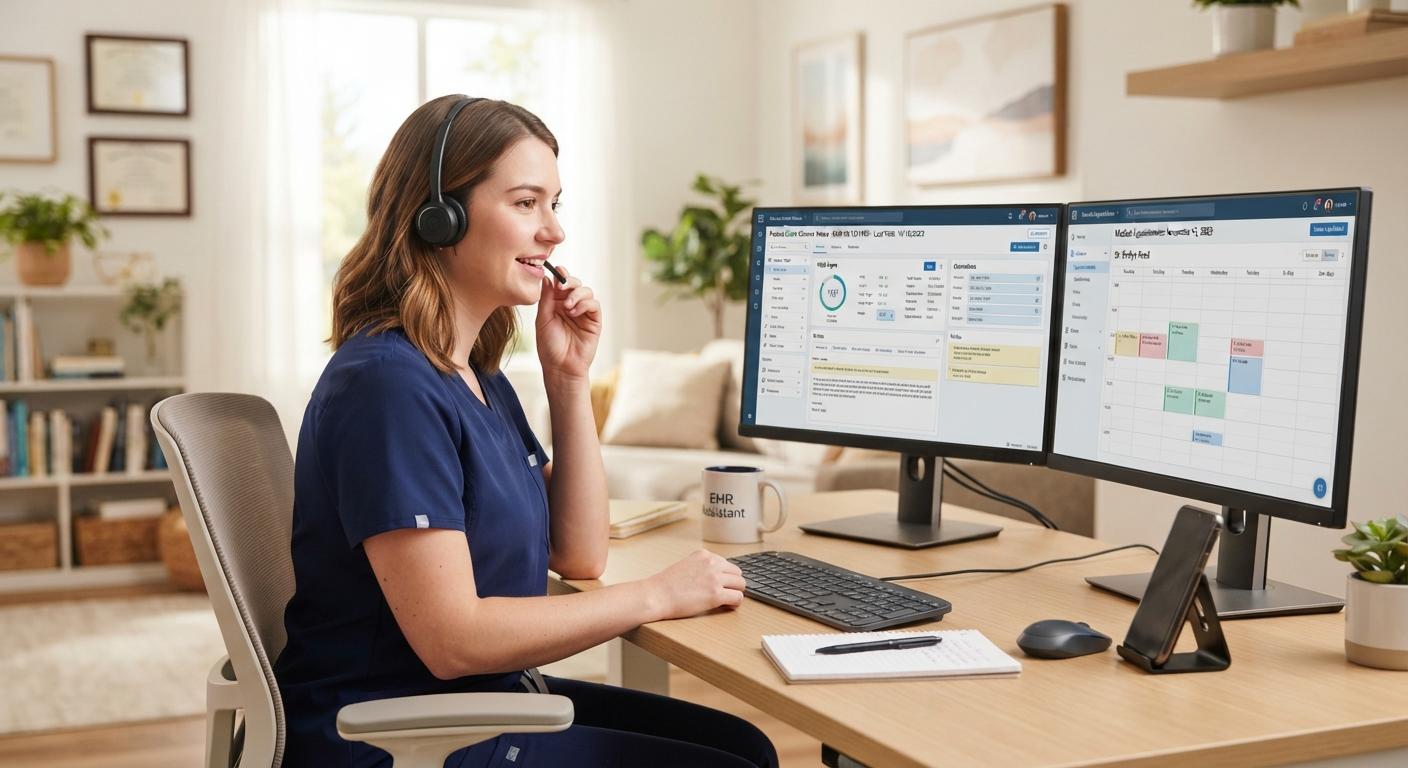
How Can Bilingual Call Handling Improve Communication During Patient Follow-Ups?

Patient follow-ups are an essential part of quality healthcare. They help medical practices check patients' progress, share important instructions, confirm appointments, and address concerns after consultations. However, language barriers can make these conversations difficult, especially for patients who are more comfortable speaking a language other than English. Bilingual call handling helps healthcare providers communicate more effectively, improve patient understanding, and create a more supportive follow-up experience.
Making Follow-Up Conversations Easier to Understand
Patients need clear information during follow-up calls to understand their next steps. They may have questions about appointment schedules, medication instructions, test results, or additional consultations. When communication takes place in a language they understand, patients can express their concerns more comfortably.
Bilingual call handling allows reception teams to communicate with patients in their preferred language whenever possible. This reduces confusion, encourages patients to ask questions, and helps ensure that important information is shared clearly.
Building Stronger Patient Relationships
Regular follow-up communication helps healthcare practices maintain relationships with their patients. A friendly and respectful conversation can make patients feel valued and encourage them to remain connected with their healthcare providers.
A Bilingual Answering service supports this process by helping medical practices manage calls from patients who speak different languages. Providing language assistance during follow-ups can create a welcoming experience and make patients more comfortable discussing their scheduling needs and general concerns.
Improving Appointment Coordination
Missed follow-up appointments can interrupt continuity of care. Patients may forget scheduled visits or misunderstand the timing and preparation requirements for their next appointment. Clear communication helps reduce these problems.
Bilingual call handling makes it easier for reception teams to confirm appointments, communicate scheduling changes, and provide basic visit-related information. When patients understand these details, they can manage their appointments more confidently and stay connected with their healthcare providers.
Supporting Consistent Front-Desk Communication
Healthcare practices often receive a high volume of incoming and outgoing calls. Managing appointment requests, patient inquiries, and follow-up reminders can place additional pressure on administrative staff.
A Medical Virtual Receptionist can help manage routine calls, schedule appointments, respond to general inquiries, and support patient follow-up communication. With organized reception assistance, medical teams can maintain consistent communication while focusing more attention on clinical responsibilities.
Reducing Confusion During Administrative Follow-Ups
Some patient follow-ups involve administrative matters, including insurance documentation, referral requirements, and treatment authorization updates. Patients may need additional explanations to understand what information is required and what steps come next.
A professional Prior Authorization Service can assist healthcare practices with authorization-related paperwork, documentation coordination, and follow-up tasks. Clear communication about administrative progress helps patients better understand the process and reduces unnecessary uncertainty.
Creating a More Inclusive Healthcare Experience
Every patient deserves respectful communication, regardless of their language or cultural background. Healthcare practices can improve inclusivity by training reception staff to recognize different communication needs, use simple language, and provide appropriate language assistance.
Bilingual call handling also encourages patients to participate more actively in their healthcare journey. When they can communicate comfortably, they are more likely to share concerns, clarify instructions, and stay informed about upcoming appointments.
Conclusion
Bilingual call handling plays an important role in improving communication during patient follow-ups. It helps overcome language barriers, supports appointment coordination, and builds stronger patient relationships. By combining bilingual communication with professional reception and administrative support, healthcare practices can provide a more organized, accessible, and patient-focused experience.
