

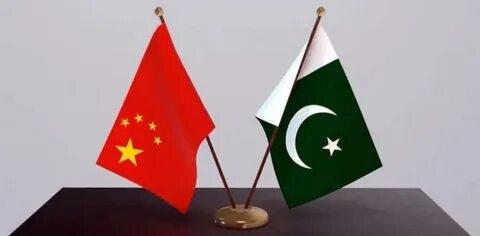
The Role of Pak-China Educational Collaboration in Developing a Skilled Workforce

Education and professional training play an important role in strengthening a country's economy and preparing its workforce for future challenges. As industries continue to adopt advanced technologies, countries need skilled professionals who can contribute to innovation, research, and economic development. Pak-China Educational Collaboration is an important step towards achieving these objectives by creating opportunities for knowledge exchange, technical training, and academic partnerships between the two countries. Stronger educational relations can help Pakistan develop skilled professionals while strengthening its long-standing economic and strategic partnership with China.
Importance of Educational Cooperation Between Pakistan and China
Pakistan and China have maintained strong diplomatic and economic relations for several decades. Their cooperation has expanded into various sectors, including trade, infrastructure, technology, agriculture, and education.
Educational partnerships provide opportunities for students, researchers, and professionals to learn from international institutions and gain exposure to modern technologies. These initiatives can improve academic standards and introduce new approaches to professional development.
According to the Pakistan China Joint Chamber of Commerce and Industry (PCJCCI), greater educational cooperation is essential for developing a skilled workforce, modernising agriculture, and improving Pakistan's competitiveness in the global knowledge economy.
Investment in education, vocational training, research, and innovation can help create a workforce capable of meeting the changing requirements of different industries.
Developing Skills Through International Training Programmes
Technical education and practical training are essential for preparing young people for employment opportunities. Traditional academic qualifications alone may not provide all the skills required in modern workplaces.
International training programmes allow students to gain practical knowledge, understand advanced technologies, and learn from experienced professionals.
One important initiative involves 1,000 young Pakistani agricultural graduates receiving advanced training at leading Chinese universities and institutions. Their training covers several important areas, including:
-
Agricultural biotechnology and modern farming techniques.
-
Agricultural mechanisation and advanced equipment.
-
Climate-smart agriculture and sustainable farming.
-
Artificial intelligence and digital technologies.
-
Modern irrigation systems and seed development.
These programmes can help introduce advanced agricultural practices in Pakistan and improve productivity across the farming sector.
The Role of Education in Agricultural Modernisation
Agriculture remains an important part of Pakistan's economy, providing employment and supporting the livelihoods of millions of people. However, the sector faces challenges related to traditional farming methods, water management, climate change, and limited access to modern technology.
Educational cooperation with China can help address some of these challenges through research, technical knowledge, and technology transfer.
Modern agricultural education can introduce farmers and professionals to improved irrigation methods, advanced machinery, better seed varieties, and scientific farming practices.
Research partnerships between Pakistani and Chinese institutions can also support the development of solutions suited to local agricultural conditions.
Improving agricultural knowledge and productivity can contribute to food security, increase export opportunities, and support rural economic development.
Strengthening Academic Partnerships and Research
International academic partnerships create opportunities for universities and educational institutions to share knowledge and develop research capabilities.
Collaboration between Pakistan and China can support joint research projects, faculty exchanges, digital learning initiatives, and technology-based education.
Such partnerships allow researchers to work together on common challenges while giving students access to broader academic resources.
Joint research can also encourage innovation in fields such as engineering, agriculture, artificial intelligence, biotechnology, and manufacturing.
Another important area is technology commercialisation. Research findings can create greater economic value when they are transformed into practical solutions, products, and services that address industry requirements.
Connecting Education With Industry Requirements
One of the major challenges facing developing economies is the gap between academic education and employment requirements.
Students may complete their degrees but still need additional technical or practical training before entering professional environments.
Educational institutions can address this issue by developing programmes that reflect the needs of different industries.
Collaboration between universities, businesses, and training institutions can help students gain practical experience and understand workplace expectations.
Vocational education is particularly important because it provides specialised skills for sectors such as construction, manufacturing, agriculture, information technology, and engineering.
Aligning academic curricula with industry requirements can improve graduate employability and help businesses find professionals with relevant expertise.
Digital Transformation and Emerging Technologies
Technology is changing the way people work, learn, and conduct business. Artificial intelligence, automation, digital platforms, and advanced data systems are creating new opportunities across different industries.
Pakistan can benefit from stronger educational cooperation by introducing modern technologies into academic institutions and professional training programmes.
Digital learning platforms can make educational resources more accessible, while smart classrooms can support interactive teaching and learning.
Artificial intelligence can also improve research activities, agricultural planning, and industrial processes.
Developing digital skills among students and young professionals will be important for preparing them to participate in emerging industries and the global knowledge economy.
Creating Opportunities for Young Professionals
Pakistan has a large young population, which provides significant potential for economic and social development. However, this demographic advantage can only be fully utilised when young people have access to quality education, relevant skills, and employment opportunities.
International scholarships, professional training programmes, research exchanges, and university partnerships can help young professionals develop their capabilities.
Exposure to international educational environments also allows students to understand different working practices, develop problem-solving abilities, and build professional networks.
These opportunities can support entrepreneurship and encourage graduates to introduce innovative ideas into local industries.
Long-Term Economic Benefits of Pakistan-China Educational Cooperation
Educational cooperation can create benefits that extend beyond universities and training institutions. A skilled workforce contributes to improved productivity, industrial development, and stronger economic competitiveness.
Professionals with advanced technical knowledge can help businesses adopt modern technologies, improve production processes, and develop innovative products.
In agriculture, better training can support sustainable farming and increase productivity. In manufacturing and technology, specialised education can help companies improve efficiency and explore new markets.
Stronger academic and research partnerships can also encourage investment in knowledge-based industries.
Over time, these developments can support employment generation, economic diversification, and sustainable national growth.
Conclusion
Education and professional training are essential for developing a skilled workforce and building a competitive economy. Stronger academic partnerships, international training programmes, research cooperation, and technology exchange can create valuable opportunities for Pakistan.
Pak-China educational cooperation provides a foundation for improving technical knowledge, modernising agriculture, and preparing young professionals for emerging industries. By connecting education with practical skills and industry requirements, both countries can strengthen their partnership and contribute to long-term economic development.
