

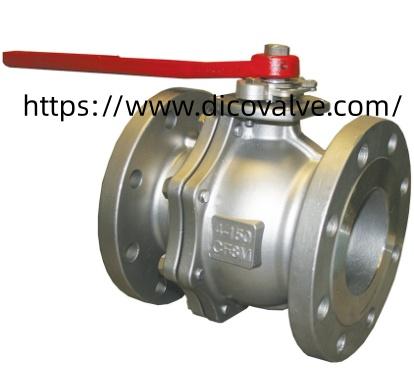

Stainless Steel Flanged Ball Valve selection plays an important role in industrial pipeline projects involving water treatment, chemical processing, petroleum transportation, and general fluid handling. Buyers need to consider several technical factors before making a purchasing decision, including material compatibility, operating pressure, temperature conditions, connection dimensions, and internal structure. For distributors, engineering contractors, and procurement teams, understanding these details helps establish clear product requirements and makes communication with manufacturers more efficient.
Check Material Compatibility With the Working Medium
Material selection is an important consideration when purchasing industrial pipeline components. Different working media may have different chemical properties, operating temperatures, and corrosion risks. Buyers should identify the fluid type and review whether the selected materials are appropriate for the intended application.
Common options include 304 and 316 grades. Each grade has different characteristics, so the choice should depend on actual operating conditions rather than price alone. Buyers can also ask manufacturers for material specifications and relevant documentation to support their evaluation.
Review Pressure and Temperature Requirements
Operating pressure and temperature directly influence product configuration. Before requesting a quotation, buyers should confirm the normal working pressure, possible pressure fluctuations, and expected temperature range.
These details help manufacturers determine suitable structural dimensions and sealing arrangements. If the equipment will operate under demanding conditions, buyers should provide complete application information during the inquiry stage. This makes technical communication clearer and reduces the possibility of selecting an unsuitable configuration.
Confirm Flange Dimensions and Connection Standards
Connection compatibility is another important purchasing factor. Industrial pipeline systems may follow different flange standards, dimensions, and pressure classifications. Even small differences can affect installation and maintenance.
Buyers should check the nominal diameter, flange drilling pattern, facing type, and relevant dimensional requirements. Providing technical drawings or existing pipeline specifications can help manufacturers confirm the required configuration before production begins.
For international projects, it is also useful to identify the applicable standards in advance. Clear documentation helps both parties avoid misunderstandings during order confirmation and installation preparation.
Understand the Internal Structure and Sealing Design
Internal construction affects operating performance, maintenance requirements, and service suitability. Buyers should understand the main components, including the body, closure element, stem, seats, and packing.
Different structural designs may be suitable for different pressure conditions and application environments. For example, floating and trunnion-mounted configurations have different structural characteristics. The appropriate option depends on factors such as diameter, operating pressure, and project requirements.
Sealing materials also deserve attention. Buyers should discuss media compatibility, temperature limits, and expected operating conditions with the manufacturer before confirming a design.
Examine Manufacturing and Inspection Procedures
Consistent manufacturing processes help ensure that products meet the agreed technical specifications. Buyers can ask about machining procedures, assembly arrangements, dimensional checks, and pressure testing.
Inspection records and product documentation are also useful when evaluating a potential supplier. Depending on project requirements, purchasers may request material certificates, dimensional inspection reports, or pressure test records.
A clear quality control process gives procurement teams more information when comparing different manufacturing sources. It also helps establish expectations for product acceptance before shipment.
Evaluate Communication and Order Support
A suitable manufacturing partner should be able to understand technical requirements and provide clear information throughout the purchasing process. Buyers should consider response efficiency, specification confirmation, customization communication, packaging arrangements, and delivery coordination.
Before placing an order, prepare a detailed inquiry that includes the required dimensions, material grade, pressure rating, connection standard, quantity, and application environment. This information allows the manufacturer to assess the request more accurately and prepare a relevant quotation.
For distributors and project contractors, stable communication is particularly important when handling repeat orders or multiple product specifications. A well-organized inquiry process can make cooperation more efficient and help both parties manage production expectations.When comparing suppliers, buyers should look beyond the initial quotation and consider technical understanding, manufacturing capabilities, inspection arrangements, and order communication. dicovalve provides industrial pipeline product solutions and supports buyers in discussing specifications according to different project requirements. To review available product information and prepare a purchasing inquiry, visit https://www.dicovalve.com/product/ and contact the team with your application details.
