

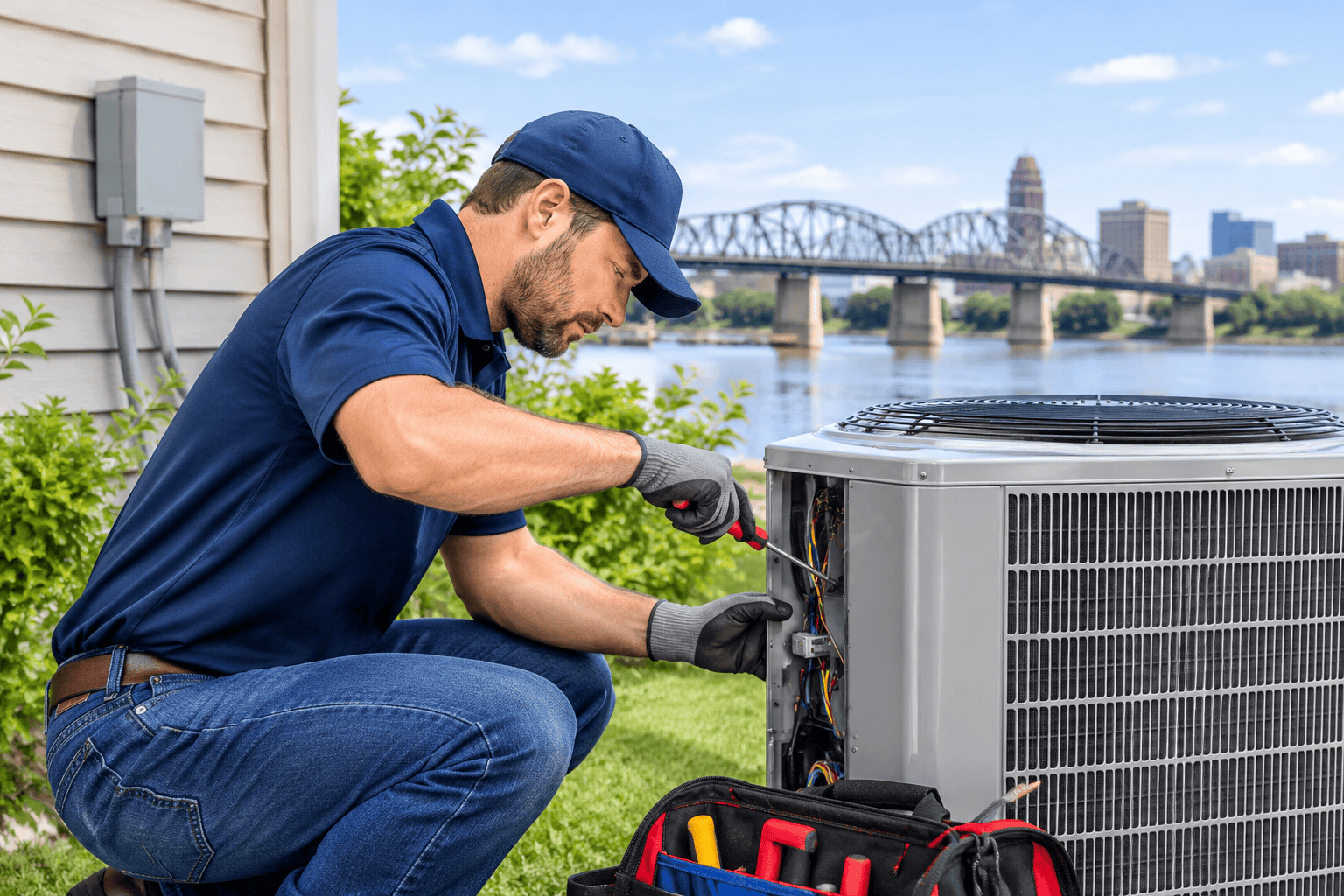
How to Recognize HVAC Problems Before They Affect Your Indoor Comfort
Your heating and cooling system plays an important role in maintaining a comfortable indoor environment throughout the year. During summer, it helps control indoor temperatures and humidity. In winter, the heating equipment keeps living spaces warm when outdoor conditions become uncomfortable. However, continuous operation, aging components, and restricted airflow can affect system performance.
Homeowners seeking HVAC repair in Rock Island, IL should understand that heating and cooling problems often share similar symptoms. Weak airflow, unusual sounds, inconsistent temperatures, and unexplained energy increases can indicate equipment malfunctions. Identifying these issues early helps protect system components and reduces the risk of unexpected interruptions.
Common HVAC Problems That Require Professional Attention
Heating and cooling systems contain electrical, mechanical, and airflow components. Their performance depends on these parts operating together correctly.
Restricted Airflow
Dirty filters, blocked return vents, damaged ductwork, and blower problems can prevent conditioned air from reaching different rooms. Restricted airflow also affects heat transfer across the equipment's internal components.
Check your filter regularly and keep registers clear. If airflow remains weak after replacing a dirty filter, professional inspection is appropriate.
Refrigerant-Related Cooling Problems
Air conditioners and heat pumps use refrigerant to transfer heat. Low refrigerant levels generally indicate a leak because refrigerant operates within a sealed circuit.
Warning signs include reduced cooling, ice formation on refrigerant lines or coils, and unusually long operating cycles. Refrigerant handling requires qualified professionals who can locate leaks, complete repairs, and charge equipment according to manufacturer specifications.
Thermostat Malfunctions
An inaccurate temperature reading, incorrect programming, loose wiring, or depleted batteries can interfere with HVAC operation. Sometimes the problem is related to thermostat placement rather than the main equipment.
A thermostat exposed to direct sunlight or nearby heat-producing appliances might register temperatures that do not represent the rest of your home.
Electrical and Mechanical Failures
Capacitors, contactors, motors, control boards, and electrical connections experience wear during normal operation. A failing component can cause delayed starting, unexpected shutdowns, or complete system failure.
Repeatedly resetting equipment without identifying the cause does not resolve an underlying electrical problem.
Signs Your HVAC System Is Losing Efficiency
A gradual performance decline is not always obvious. Pay attention to changes in everyday operation. Equipment efficiency ratings, such as SEER2 for air conditioners and AFUE for furnaces, also help homeowners understand how efficiently their systems use energy.
Important warning signs include:
A.Some rooms remain noticeably warmer or colder than others.
B.The equipment operates longer without reaching the thermostat setting.
C.Energy bills increase despite similar household usage.
D.Indoor humidity remains uncomfortable during cooling season.
E.The system starts and stops more frequently than usual.
F.Grinding, buzzing, clicking, or rattling sounds become noticeable.
G.Water collects near the indoor air-conditioning equipment.
A clogged condensate drain can cause water leakage around an air conditioner. Other possibilities include a frozen evaporator coil or drainage problems. Switching off cooling equipment when leakage or ice formation occurs and arranging professional inspection helps prevent additional damage.
What Happens During an HVAC Repair Appointment?
A professional repair visit begins with understanding the symptoms, operating history, and equipment configuration.
The technician then evaluates relevant components based on the reported problem. Depending on whether the issue involves heating or cooling, the inspection can include:
A.Thermostat settings and control operation.
B.Air filters, return vents, and supply registers.
C.Blower motor and electrical connections.
D.Indoor and outdoor coils.
E.Refrigerant circuit performance when applicable.
F.Condensate drainage and safety controls.
G.Heating components and ventilation arrangements.
After identifying the cause, the technician explains the necessary repair and checks whether related problems are affecting performance.
This diagnostic approach is more reliable than replacing parts without confirming their condition.
How Seasonal Maintenance Supports HVAC Performance
Rock Island experiences changing seasonal conditions, so preparing your equipment for both heating and cooling demands is important.
Before summer, inspect the outdoor unit for leaves, grass clippings, and other obstructions. Maintain the manufacturer's recommended clearance around the equipment. Replace air filters when required and arrange professional cooling-system maintenance.
Before winter, schedule a heating inspection, check thermostat operation, and ensure that vents remain unobstructed. Fuel-burning equipment also requires appropriate safety inspections, including checks for carbon monoxide leaks. Install functioning carbon monoxide detectors near sleeping areas and on every level of your home to help identify dangerous gas exposure.
Keep indoor and outdoor equipment accessible so technicians can complete inspections without unnecessary delays.
Improve Year-Round Comfort With Timely HVAC Repairs
A properly functioning HVAC system supports comfortable temperatures, dependable airflow, and better control over indoor conditions. Ignoring performance changes often allows minor problems to develop into more disruptive equipment failures.
If you notice unusual sounds, weak airflow, water leakage, or inconsistent heating and cooling, schedule HVAC repair in Rock Island, IL with a qualified professional. An accurate diagnosis and appropriate repairs help restore system performance and prepare your equipment for changing Illinois weather.
