

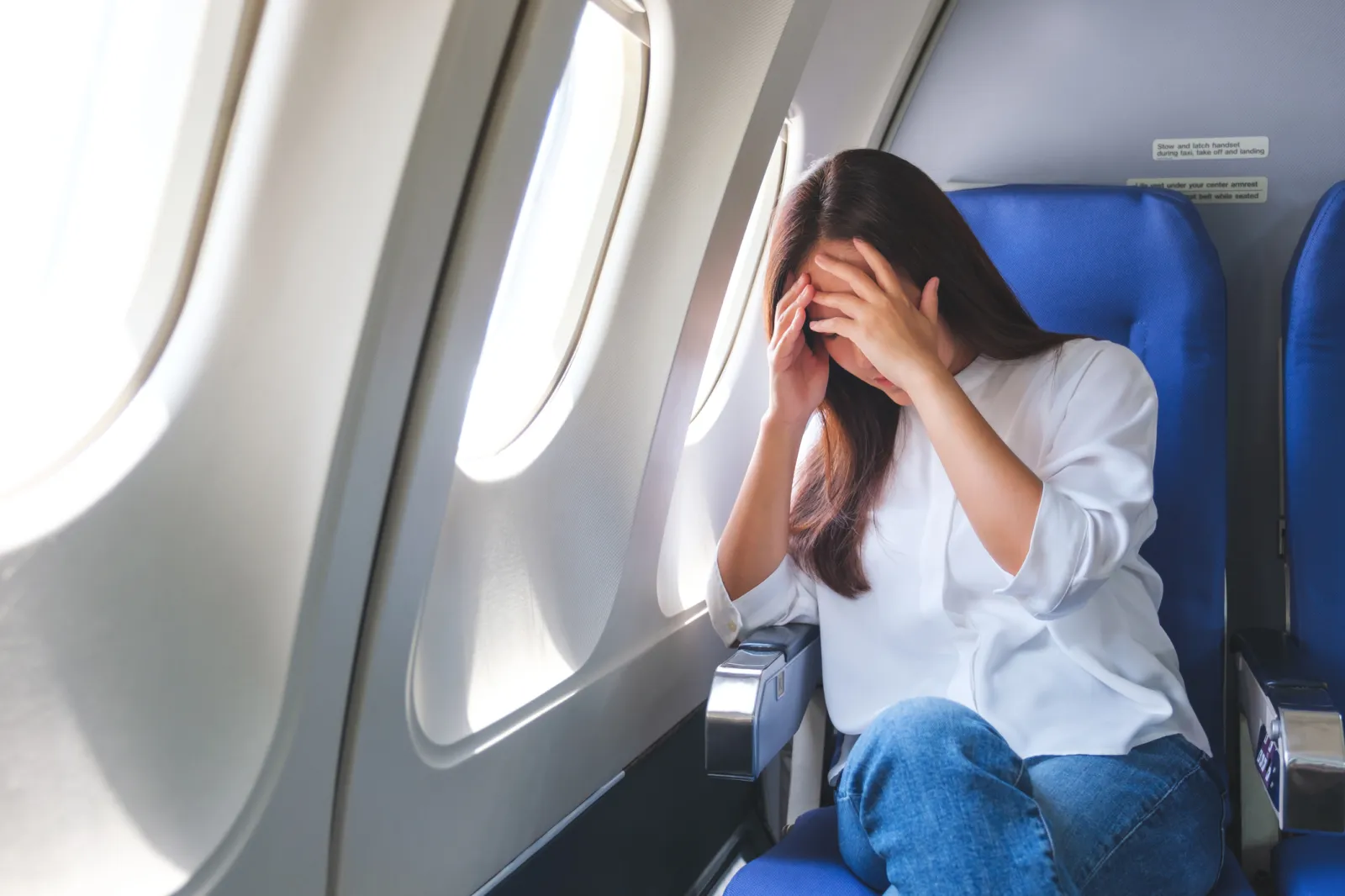

Traveling can be an exciting experience, but it does not feel enjoyable for everyone. While some people look forward to visiting new places, others feel nervous, worried, or uncomfortable when planning a trip. Even thinking about packing, booking tickets, going through an airport, or staying somewhere unfamiliar can create anxiety.
Travel anxiety is a common experience. It can happen before a trip, during travel, or when someone arrives at a new destination. For some people, these feelings are mild and temporary. For others, anxiety can become strong enough to affect their plans and daily lives.
Understanding why traveling makes some people feel anxious can help them recognize their triggers and find practical ways to manage their feelings.
What Is Travel Anxiety?
Travel anxiety refers to feelings of fear, worry, or nervousness related to traveling. These feelings may develop when someone thinks about leaving home, using public transportation, flying, driving long distances, or visiting unfamiliar places.
People experience travel anxiety differently. Some worry about missing a flight or losing their belongings. Others feel uncomfortable being away from family, having limited control over their surroundings, or dealing with unexpected situations.
Travel anxiety is not always a separate mental health condition. It can be related to general anxiety, specific phobias, previous negative experiences, or fear of uncertainty.
Why Does Traveling Make Some People Feel Anxious?
There are several reasons why someone may feel anxious about traveling. Understanding these causes can make it easier to identify what triggers the discomfort.
Fear of the Unknown
One common reason for travel anxiety is uncertainty. Visiting a new place means dealing with unfamiliar surroundings, people, transportation systems, and routines.
Some people feel uncomfortable when they do not know what to expect. They may worry about getting lost, facing unexpected problems, or not knowing how to handle a difficult situation.
This fear can become stronger when someone has limited travel experience or prefers familiar environments.
Fear of Flying
Flying is another common source of travel anxiety. Some people worry about turbulence, accidents, takeoff, landing, or feeling trapped inside an airplane.
Even when they understand that flying is generally safe, their fear may still feel difficult to control. Thoughts about losing control or experiencing an emergency can increase nervousness before and during a flight.
For some individuals, this fear may be connected to a specific phobia or a broader anxiety problem.
Previous Negative Travel Experiences
A difficult experience during a previous trip can affect how someone feels about traveling again. Missing a flight, becoming sick away from home, experiencing a travel emergency, or getting lost may create lasting worries.
A person may begin expecting similar problems on future trips. Even when the circumstances are different, memories of the earlier experience can trigger anxiety.
Recognizing this connection can help people understand why certain travel situations make them uncomfortable.
Separation From Home and Family
Some people feel anxious when they have to stay away from their home, family, or familiar surroundings. They may worry about loved ones, feel lonely, or struggle with being in an unfamiliar environment.
This can be especially difficult for people who rely on a regular routine for comfort or who have experienced separation-related anxiety.
The thought of being far away from home may create more stress than the journey itself.
Fear of Losing Control
Travel often involves situations that people cannot fully control. Flights may be delayed, traffic may become heavy, weather conditions may change, and plans may need to be adjusted.
People who strongly prefer predictability may find these situations stressful. They might spend a lot of time checking schedules, planning every detail, or worrying about possible problems.
When plans change unexpectedly, their anxiety may increase.
Social Anxiety in Unfamiliar Places
Traveling can involve interacting with strangers, asking for directions, speaking a different language, or visiting crowded places. These situations may feel uncomfortable for someone with social anxiety.
They might worry about making mistakes, being judged, or not knowing how to communicate. Eating alone, checking into a hotel, or using public transportation can also feel stressful.
These fears may make someone avoid certain travel activities or cancel plans altogether.
What Are the Common Symptoms of Travel Anxiety?
Travel anxiety can affect both the mind and body. Symptoms may appear before a trip or become stronger during the journey.
Common emotional and physical symptoms include:
-
Excessive worrying about travel plans or possible problems.
-
A racing heartbeat or sweating.
-
Feeling restless, nervous, or overwhelmed.
-
Difficulty sleeping before a trip.
-
Stomach discomfort or nausea.
-
Trouble concentrating.
-
Muscle tension or headaches.
-
Avoiding travel or repeatedly checking travel arrangements.
Not everyone experiences all these symptoms. Their intensity can also vary depending on the person and the travel situation.
Can Travel Anxiety Affect Your Daily Life?
Travel anxiety can affect more than the actual journey. Some people begin worrying days or weeks before their planned departure. They may have trouble sleeping, lose interest in preparing for the trip, or repeatedly imagine things going wrong.
In more severe cases, anxiety can lead someone to avoid vacations, family visits, work trips, or important events. This may affect personal relationships and opportunities to enjoy new experiences.
It is important to understand that avoiding travel may provide temporary relief, but it does not always address the underlying fear. Learning about the causes of anxiety and developing healthy coping strategies can help people feel more comfortable over time.
How Can You Manage Anxiety Before and During Travel?
Although travel anxiety can feel overwhelming, several practical steps may help make the experience easier.
Plan Your Trip in Advance
Having a basic travel plan can reduce uncertainty. Confirm your bookings, check transportation details, organize important documents, and allow enough time to reach your destination.
You do not need to plan every minute of your trip. Focus on the important details and leave some room for unexpected changes.
Practice Relaxation Techniques
Slow breathing, mindfulness, and simple relaxation exercises can help manage nervousness. Try taking slow breaths and paying attention to your surroundings when you begin feeling overwhelmed.
Practicing these techniques before traveling may make them easier to use during stressful moments.
Start With Small Trips
If traveling feels frightening, begin with shorter and more familiar journeys. A short visit to a nearby place may help you become more comfortable with being away from home.
Gradually increasing the length or distance of your trips can help build confidence. If your anxiety is severe, consider discussing this approach with a mental health professional.
Maintain Healthy Daily Habits
Sleep, nutrition, and physical activity can influence how well you manage stress. Try to maintain a regular sleep schedule before traveling, eat balanced meals, and avoid relying on excessive caffeine when you already feel nervous.
Taking care of your physical health can support your emotional well-being.
Focus on the Present Moment
Travel anxiety often involves worrying about things that might happen in the future. Instead of imagining every possible problem, focus on what is happening right now.
Pay attention to your breathing, surroundings, and immediate needs. Remind yourself that you can handle situations one step at a time.
When Should You Seek Professional Help for Travel Anxiety?
Occasional nervousness before a trip is normal. However, professional support may be helpful when travel anxiety becomes intense, happens frequently, or prevents you from participating in important activities.
A mental health professional can help identify the reasons behind your fear and recommend suitable treatment. Cognitive behavioral therapy (CBT), for example, can help people recognize unhelpful thoughts and develop healthier ways to respond to anxiety.
Final Thoughts
Traveling can create anxiety for many reasons, including fear of the unknown, previous negative experiences, fear of flying, and discomfort with unfamiliar situations. These feelings are real, but they do not have to control every travel decision.
Understanding your triggers, preparing in advance, practicing relaxation techniques, and taking small steps can help make traveling feel more manageable. If anxiety regularly affects your plans or prevents you from enjoying everyday activities, professional support can help you work toward greater confidence and emotional well-being.
