

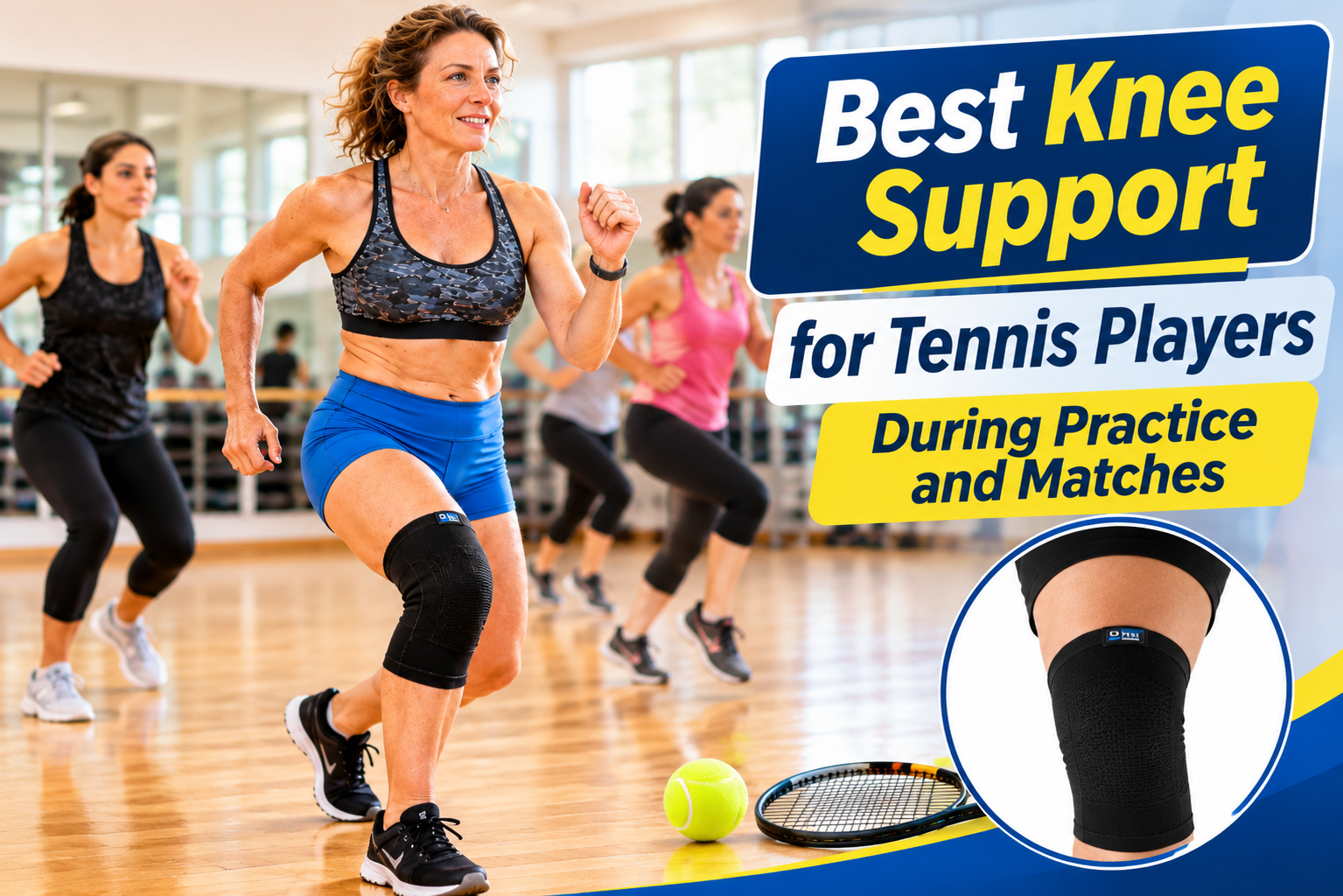

Best Knee Support for Tennis Players: Find Comfort and Support During Every Match
Tennis involves running, jumping, quick turns and sudden changes in direction. These movements put regular demands on your knees, especially during long practice sessions and competitive matches. Choosing the best knee support for tennis players can help provide additional support and comfort while playing, practising or staying active.
Whether you are a beginner, a regular tennis player or someone returning to the court after a break, the right knee support can be a useful addition to your sports gear. Different knee supports offer different levels of compression, stability and coverage, so it is important to choose one that suits your needs.
Along with suitable knee support, having the right tennis equipment and following a balanced training routine can help you enjoy your time on the court.
Why Do Tennis Players Need Knee Support?
Tennis requires continuous lower-body movement. Players regularly move from side to side, bend their knees, change direction and push off quickly to reach the ball. These movements can place repeated demands on the knee joints.
A suitable knee support may help with:
- Providing gentle compression around the knee.
- Offering additional support during physical activity.
- Improving comfort while walking and practising.
- Helping players feel more confident during movement.
- Supporting an active sports routine.
Knee supports are available in different designs, including sleeves, adjustable straps and more structured braces. The right option depends on your comfort, activity level and individual requirements.
How to Choose the Best Knee Support for Tennis Players
Not every knee support is suitable for every player. Before purchasing, consider how often you play, the type of support you prefer and how the product fits.
1. Check the Material and Comfort
Tennis practice can involve long periods of movement, so comfort matters. Look for breathable, flexible materials that feel comfortable against your skin.
A lightweight design can also make it easier to move naturally during training sessions.
2. Choose the Right Fit
A knee support should fit securely without feeling excessively tight. Check the manufacturer's sizing guide and measure your knee as instructed before ordering.
A support that is too tight may cause discomfort, while a loose one may move around during activity.
3. Consider the Level of Support
Different products provide different levels of compression and stability. Knee sleeves generally offer light compression, while some structured braces provide additional support.
Choose according to your requirements rather than assuming that the most restrictive option is always the best.
4. Look for Easy Maintenance
If you play tennis regularly, your sports accessories need proper care. Check the washing and maintenance instructions before buying so you can keep your knee support clean and ready for future sessions.
What Other Tennis Equipment Can Improve Your Practice Routine?
Knee support is only one part of a suitable tennis setup. The right training accessories can also help you organise practice sessions and work on different skills.
Tennis Practice With Ball Machine
Tennis practice with ball machine sessions allow players to repeat shots and focus on timing, positioning and ball control. A ball machine can be useful when you want to practise without depending on another player.
However, remember to use an appropriate warm-up and avoid increasing your training intensity too quickly.
Best Driveway Tennis Net for Home Practice
Finding the best driveway tennis net can make home practice more convenient. A suitable portable net allows players to work on basic strokes, controlled hitting and simple drills in an available outdoor space.
Before purchasing, check the net dimensions, stability, portability and available practice area.
Tennis Drills at Home for Juniors
Children can also develop their tennis skills through simple activities outside the court. Some useful tennis drills at home for juniors include:
- Ball bouncing on the racket for coordination.
- Target-hitting practice for accuracy.
- Simple footwork exercises using markers.
- Forehand and backhand movement practice.
- Controlled ball-handling activities.
Choose age-appropriate exercises and make sure children have enough safe space to practise.
Tennis Training Balls
Good-quality tennis training balls are useful for warm-ups, repeated hitting exercises and coaching sessions. When selecting balls, consider their bounce, durability and suitability for the player's skill level.
Having enough practice balls can also make individual and group training easier to organise.
Fast Track Tennis Machine
A fast track tennis machine or specialised training system can be another option for players looking to organise repeated practice activities. Compare its features, setup requirements and intended use before choosing a product for your training space.
Tips for Protecting Your Knees During Tennis Practice
Along with wearing suitable knee support, a few simple habits can make your training routine more comfortable.
- Warm up before playing: Start with light movement and gentle dynamic exercises.
- Build training gradually: Avoid suddenly increasing the duration or intensity of practice.
- Wear suitable footwear: Choose tennis shoes that provide appropriate grip and comfort.
- Take regular breaks: Allow your body time to recover between demanding sessions.
- Listen to your body: Do not continue playing through significant or worsening knee pain.
Remember that knee supports do not guarantee injury prevention or replace proper treatment. If you experience persistent pain, swelling or knee instability, consult a qualified healthcare professional before choosing a brace.
Mayo Clinic News Network+1
Where to Buy Knee Support for Tennis Players Online?
Finding suitable sports support products online makes it easier to compare different options and choose according to your requirements.
At Tennis Assist, you can explore knee support products designed for people who want additional support during their active routines.
Before ordering, check the product description, available sizes, material and fitting instructions to make sure the product matches your needs.
Explore the collection here:
Shop Knee Support for Tennis Players
Choose suitable sports support products and make them part of your regular tennis and fitness routine.
Final Thoughts
Finding the best knee support for tennis players starts with understanding your comfort, activity level and support requirements. A suitable knee sleeve or brace can provide additional compression and support during physical activities.
You can also improve your overall practice routine by combining appropriate sports accessories with tennis training balls, a fast track tennis machine and simple home exercises. Choose products carefully, follow proper training habits and enjoy your time on the court.
For Full Guide Visit: https://shop.tennisassist.com.au/
Frequently Asked Questions (FAQs)
1. What is the best knee support for tennis players?
The best option depends on your requirements. Compression sleeves may suit players looking for light support, while structured braces may be more appropriate for specific stability needs.
2. Should I wear knee support while playing tennis?
You may wear a suitable knee support during tennis if it feels comfortable and matches your needs. If you have an existing injury, consult a healthcare professional.
3. Are knee compression sleeves good for tennis?
Knee compression sleeves can provide warmth, gentle compression and a feeling of support while allowing relatively natural movement.
4. How do I choose the correct knee support size?
Measure your knee according to the manufacturer's instructions and compare the measurements with its sizing chart. Avoid supports that feel excessively tight.
5. Can beginners use knee supports during tennis practice?
Yes. Beginners can use suitable knee supports if they want additional comfort during activity. Proper footwear, warm-ups and gradual training are also important.
