

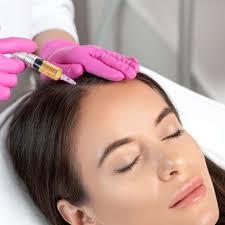

Hair thickness can change gradually after multiple PRP hair treatment in Dubai sessions. Some people notice stronger-looking hair, improved density, and reduced shedding, while others experience slower or less noticeable changes. These differences are influenced by several factors, including follicle health, the underlying cause of hair thinning, individual response to treatment, and the condition of the scalp.
PRP hair treatment has gained attention as a non-surgical option for people experiencing certain types of hair loss. It uses components from the patient's own blood to support the scalp's natural repair and hair growth processes. Understanding why hair thickness changes over multiple sessions can help individuals develop realistic expectations and make informed decisions about treatment.
How Does PRP Hair Treatment Influence Hair Thickness?
PRP hair treatment involves collecting a small blood sample and processing it to concentrate platelets in plasma. The prepared platelet-rich plasma is then injected into selected areas of the scalp.
Platelets contain growth factors involved in tissue repair and cellular communication. When introduced into the scalp, these growth factors may support the environment surrounding hair follicles.
Healthy follicle activity is important for maintaining hair growth and thickness. In some individuals with pattern hair loss, PRP may help improve hair density and the diameter of existing hair strands.
However, PRP does not guarantee thicker hair for everyone. Its effectiveness depends on individual circumstances, and it is generally more suitable for people with functioning hair follicles than areas where follicles have been permanently lost.
Why Can Hair Thickness Improve After Multiple PRP Sessions?
Hair growth follows a natural cycle consisting of growth, transition, and resting phases. Because individual follicles do not follow the same cycle simultaneously, improvements may take time to become noticeable.
Several factors explain why hair thickness can change after repeated PRP sessions.
1. Gradual Support for Hair Follicle Activity
Hair follicles require a healthy surrounding environment to produce strong hair strands. PRP introduces concentrated platelets containing growth factors that may support cellular activity around the follicles.
With repeated treatment, some individuals may experience improvements in the appearance of existing hair. This can contribute to fuller-looking areas, although the response varies.
2. Changes in Hair Growth Cycles
Hair does not grow continuously at the same rate. Each follicle moves through different stages, and temporary changes in the growth cycle can influence overall hair appearance.
PRP may help support the growth phase in certain individuals. However, visible changes depend on how follicles respond and how much time they need to produce new hair.
3. Differences in Hair Strand Diameter
Hair thickness refers to the diameter of individual hair strands, while hair density describes the number of hairs within a particular scalp area.
These measurements are different but can influence one another when assessing hair improvement.
Some people may notice that existing strands appear stronger or thicker following treatment. Others may experience changes in overall coverage without a significant difference in individual strand diameter.
What Factors Affect Hair Thickness After Multiple PRP Sessions?
Not everyone experiences the same results from PRP hair treatment. Several personal and biological factors influence treatment response.
Underlying Cause of Hair Loss
The reason behind hair thinning is one of the most important considerations. Genetic pattern hair loss, hormonal changes, nutritional deficiencies, stress, and certain medical conditions can affect hair growth differently.
PRP may be beneficial for selected individuals with androgenetic alopecia, but it cannot address every cause of hair loss. Identifying the underlying condition helps determine whether PRP is an appropriate option.
Condition of Existing Hair Follicles
Follicle health plays an important role in treatment outcomes. Individuals with miniaturised but functioning follicles may have different prospects from those with advanced follicular damage or permanent hair loss.
A scalp assessment helps identify areas where treatment may offer potential benefits.
Individual Biological Response
Every person responds differently to treatment. Platelet concentration, overall health, genetic factors, and individual healing responses may influence the outcome.
This explains why two people receiving similar PRP treatment schedules may notice different changes in hair thickness.
Consistency of Treatment
PRP is commonly performed as a series of sessions rather than a single procedure. Treatment intervals and maintenance requirements depend on individual assessment and clinical recommendations.
Following an appropriate treatment schedule allows specialists to monitor changes and evaluate whether the approach is providing meaningful benefits.
How Long Does It Take to Notice Changes in Hair Thickness?
Hair growth is a gradual biological process, so immediate improvements should not be expected.
Some individuals may notice reduced shedding or early changes in hair quality within a few months. More visible changes in hair thickness and density may take several months to assess.
Results should be evaluated over time rather than after an individual session.
Photographs taken under consistent lighting, scalp examinations, and hair density assessments can help identify changes that may not be obvious during everyday observation.
It is also important to understand that PRP results are not necessarily permanent. Some individuals may require maintenance sessions, while others may need additional treatments to address the underlying cause of hair thinning.
Can Hair Thickness Decrease Again After PRP Treatment?
Yes. Hair thickness can decrease again even after an initially positive response.
PRP does not permanently stop genetic hair loss or eliminate every factor affecting follicle health. Conditions such as hormonal changes, nutritional deficiencies, chronic stress, and ageing may continue to influence hair growth.
Additionally, some individuals may experience natural fluctuations in shedding and hair density.
If hair thinning continues or becomes more noticeable, a specialist may recommend further investigation. Depending on the diagnosis, treatment options may include medical therapies, lifestyle adjustments, or a combination of approaches.
How Can You Support Hair Health Alongside PRP Treatment?
Healthy hair growth depends on more than one treatment. Supporting overall scalp and hair health can contribute to better long-term management.
Consider the following practices:
-
Maintain balanced nutrition: Include sufficient protein, iron, zinc, and other essential nutrients through a balanced diet.
-
Avoid excessive heat styling: Frequent exposure to high temperatures can weaken hair strands and increase breakage.
-
Manage scalp conditions: Address dandruff, inflammation, or persistent irritation with appropriate professional guidance.
-
Avoid tight hairstyles: Repeated tension can contribute to traction-related hair loss.
-
Follow medical advice: Discuss supplements, medications, and additional hair treatments with a qualified healthcare professional.
These habits cannot guarantee thicker hair, but they can help reduce preventable damage and support general hair health.
PRP Hair Treatment at Tajmeels Clinic in Dubai
At tajmeels clinic dubai, PRP hair treatment planning can begin with an individual assessment of scalp condition, existing hair density, follicle health, and the pattern of hair thinning. Understanding these factors helps determine whether PRP may be suitable and what outcomes are realistic.
The treatment approach considers individual hair concerns rather than assuming everyone requires the same number of sessions or treatment intervals. Patients can discuss their expectations, possible benefits, limitations, and follow-up requirements during consultation.
Professional assessment is particularly important for distinguishing between different causes of hair loss. Where necessary, further medical evaluation may be recommended before beginning treatment.
Frequently Asked Questions
1. Does PRP make individual hair strands thicker?
PRP may improve the appearance and diameter of existing hair strands in some individuals, but results vary depending on follicle health and the underlying cause of hair loss.
2. Why do some people see better results after several sessions?
Hair growth cycles are gradual, and follicles respond differently. Repeated sessions may provide ongoing support, allowing changes to become more noticeable over time.
3. Can PRP restore permanently lost hair?
PRP cannot reliably restore hair in areas where follicles have been permanently destroyed. It is generally considered more suitable for selected cases of hair thinning involving functioning follicles.
4. Do PRP hair treatment results last forever?
No. Results may require maintenance, and ongoing hair loss conditions can continue to affect hair thickness after treatment.
Conclusion
Hair thickness can change after multiple PRP sessions because of differences in follicle activity, hair growth cycles, biological responses, and existing scalp conditions. While some individuals experience stronger-looking hair and improved density, others may notice limited changes. A professional assessment, realistic expectations, and appropriate follow-up are essential when considering PRP hair treatment in Dubai.
More Information
Tajmeels Clinic Dubai
WhatsApp: +971 56 203 8751
Phone: tel:+971 43739000
Social Media:
