

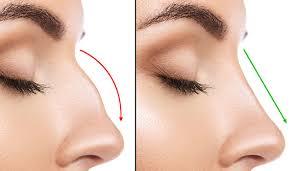

Choosing the right rhinoplasty technique is an important step towards achieving a balanced and natural-looking nose. Every individual has a different nasal structure, facial profile, skin thickness, and aesthetic goal. Therefore, the same surgical approach may not produce suitable results for everyone. Rhinoplasty in Dubai offers different surgical approaches to address concerns such as a wide nasal bridge, bulbous nasal tip, crooked nose, prominent nasal hump, or breathing difficulties.
Understanding the available techniques and how they relate to your nose shape can help you make an informed decision. A professional assessment is essential because the most appropriate approach depends on both the external appearance and internal structure of the nose.
Why Does Nose Shape Matter When Choosing Rhinoplasty?
Nose shape plays a significant role in determining the surgical technique. Some individuals want to refine the nasal tip, while others need adjustments to the bridge, nostrils, or overall nasal proportions.
A surgeon evaluates several factors before recommending an approach, including:
-
Nasal bone width and shape
-
Cartilage strength and positioning
-
Skin thickness and elasticity
-
Nasal tip projection
-
Existing facial proportions
-
Internal nasal structure and breathing function
For example, someone with thick nasal skin may require a different surgical plan from someone with thin skin and a narrow nasal bridge. Understanding these differences helps create realistic treatment goals and supports better surgical planning.
Which Rhinoplasty Technique Is Suitable for Different Nose Shapes?
There are different rhinoplasty techniques, and each has specific applications. The choice depends on the complexity of the required changes and the patient's anatomy.
1. Open Rhinoplasty for Complex Nasal Reshaping
Open rhinoplasty involves a small incision across the columella, the tissue separating the nostrils. It allows the surgeon to lift the nasal skin and gain a clearer view of the underlying bone and cartilage.
This approach may be considered for individuals with:
-
Significant nasal asymmetry
-
Complex nasal tip concerns
-
Structural abnormalities
-
Previous unsuccessful rhinoplasty
-
Extensive reshaping requirements
The increased visibility can help the surgeon make precise structural adjustments. However, open rhinoplasty is not automatically better for every patient. Its suitability depends on the nature of the correction required.
2. Closed Rhinoplasty for Selected Nasal Corrections
Closed rhinoplasty involves incisions placed inside the nostrils. Since there is no external incision across the columella, this approach avoids a visible external surgical scar.
It may be appropriate for selected patients who require adjustments to the nasal bridge or other areas that can be addressed through an internal approach.
Potential considerations include:
-
Limited or moderate nasal reshaping
-
Certain nasal hump corrections
-
Selected structural adjustments
-
Patients whose surgical goals can be achieved through internal access
The surgeon must determine whether sufficient visibility and access are possible for the planned changes.
3. Tip Rhinoplasty for a Bulbous or Drooping Nose Tip
Some individuals have a rounded, wide, or poorly defined nasal tip. Others notice that their nasal tip points downward, particularly when smiling.
Tip rhinoplasty focuses on reshaping the cartilage that supports the lower part of the nose. It may involve modifying cartilage position, improving support, or refining the tip's definition.
The technique depends on cartilage strength, skin thickness, and the desired projection. Maintaining proper structural support is important because excessive cartilage removal can affect both appearance and nasal function.
4. Septorhinoplasty for Structural and Breathing Concerns
Not every rhinoplasty procedure is performed solely for cosmetic reasons. Some patients experience breathing difficulties because of a deviated septum or other internal structural concerns.
Septorhinoplasty combines external nasal reshaping with correction of relevant internal abnormalities.
It may be considered when a patient has:
-
A visibly crooked nose
-
A deviated nasal septum
-
Certain structural breathing problems
-
A combination of aesthetic and functional concerns
A proper examination helps establish whether septal correction is necessary alongside cosmetic changes.
How Does Skin Thickness Influence the Choice of Technique?
Skin thickness is an important consideration during rhinoplasty planning. Thick nasal skin can make subtle cartilage refinements less visible because the skin may not closely reveal the underlying structure.
On the other hand, thin skin may make small irregularities in the nasal framework more noticeable.
For patients with thick skin, maintaining strong structural support and setting realistic expectations are particularly important. For patients with thin skin, careful attention to smooth contours and precise adjustments may be necessary.
The surgeon evaluates skin quality alongside bone and cartilage anatomy before selecting an appropriate technique.
Should You Choose Rhinoplasty Based on Your Desired Appearance?
Your aesthetic goals should contribute to the treatment plan, but they should not be the only deciding factor.
For example, someone may want a narrower nasal bridge, while another person may prefer a more defined tip or a smoother side profile. However, the surgeon must consider whether these changes are anatomically achievable without compromising nasal support or breathing.
A good rhinoplasty plan aims to maintain facial harmony rather than create an identical nose for every patient.
It is also important to understand that computer-generated simulations, when available, are planning aids rather than guaranteed predictions of surgical outcomes.
What Should You Discuss During a Rhinoplasty Consultation?
Before selecting a rhinoplasty technique, discuss your concerns and medical history with a qualified specialist.
Consider asking about:
-
Which nasal structures need modification?
-
Is an open or closed approach more appropriate?
-
Will the procedure affect nasal breathing?
-
How will skin thickness influence the expected outcome?
-
What are the potential complications and recovery requirements?
-
Are there any limitations based on my existing nasal anatomy?
A detailed consultation allows the surgeon to explain the benefits, limitations, and risks of each suitable approach.
Rhinoplasty Planning at Tajmeels Clinic
At tajmeels clinic dubai, rhinoplasty planning focuses on understanding individual nasal anatomy, facial proportions, and treatment expectations. The assessment considers features such as nasal bridge width, cartilage structure, tip definition, skin thickness, and possible breathing concerns. Based on these findings, an appropriate surgical approach can be discussed according to the patient's needs. The aim is to develop a personalised treatment plan that considers facial balance, structural support, functional requirements, and realistic expectations. Patients can also discuss recovery, potential risks, and the importance of follow-up appointments before making a decision.
What Is the Importance of Recovery and Follow-Up Care?
Choosing the right technique is only one part of the rhinoplasty journey. Following postoperative instructions is equally important for proper healing.
Swelling, bruising, temporary nasal congestion, and tenderness may occur after surgery. Initial recovery varies between individuals, while the final nasal shape can take several months or longer to become apparent.
Patients should avoid activities that may put pressure on the nose, follow wound-care instructions, and attend scheduled follow-up appointments. Any unexpected symptoms should be discussed with the treating medical professional.
Conclusion
Choosing the right rhinoplasty technique requires more than identifying the nose shape you want to achieve. Open rhinoplasty, closed rhinoplasty, tip refinement, and septorhinoplasty serve different purposes depending on nasal anatomy and individual concerns. A qualified surgeon can evaluate these factors and recommend an appropriate approach. With careful planning, realistic expectations, and proper aftercare, patients can make more informed decisions about rhinoplasty in Dubai.
More Information
Tajmeels Clinic Dubai
WhatsApp: +971 56 203 8751
Phone: tel:+971 43739000
Social Media:
