

Roof Repair and Roof Inspection: Essential Steps to Protect Your Property Year-Round
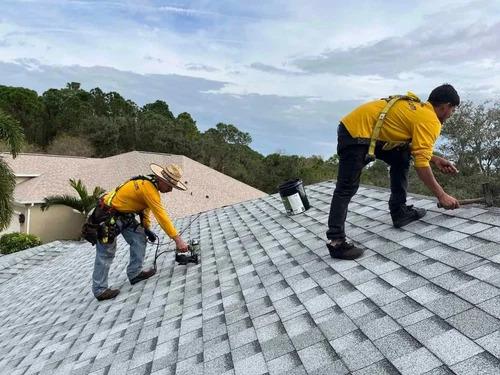
A strong and reliable roof plays a vital role in protecting any property from changing weather conditions. From heavy rainfall and strong winds to snow, hail, and intense sunlight, roofing materials face continuous environmental stress. Even a well-installed roof can develop problems over time due to natural ageing, poor drainage, or unexpected damage. This is why regular maintenance and professional roof inspection are important for homeowners and commercial property managers. Identifying minor issues early makes it easier to arrange timely roof repair, prevent structural damage, and avoid unnecessary expenses. Taking a proactive approach to roof maintenance helps maintain property value while ensuring long-term protection.
Why Regular Roof Inspections Matter
Many roofing problems begin with small warning signs that are difficult to notice from the ground. A loose shingle, damaged flashing, or minor crack may not immediately cause visible leakage, but these issues can gradually allow moisture to enter the roofing structure.
A professional roof inspection helps identify vulnerable areas before they become major concerns. Roofing specialists examine shingles, flashing, gutters, ventilation systems, roof valleys, and other important components to evaluate their condition.
Regular inspections also provide property owners with a better understanding of their roof's remaining lifespan. Instead of waiting for an unexpected leak or structural problem, they can plan maintenance and repairs according to the roof's actual condition.
Common Roofing Problems That Require Immediate Attention
Different roofing systems experience different types of damage depending on their materials, installation quality, and environmental exposure. However, several common problems require professional attention.
1. Missing or Damaged Shingles
Strong winds, heavy rain, and ageing can loosen or break roofing shingles. Missing sections expose the underlying layers to moisture and increase the possibility of leaks. Replacing damaged shingles promptly helps restore the roof's protective surface.
2. Roof Leaks and Water Stains
Water stains on ceilings and interior walls may indicate a roofing problem. Leaks can develop around flashing, roof penetrations, damaged shingles, or deteriorating seals. Professional roof repair helps locate the source of the problem and prevent further water damage.
3. Damaged Flashing
Flashing protects vulnerable areas around chimneys, skylights, vents, and roof intersections. When it becomes loose, corroded, or cracked, water can enter through these openings. Inspecting and repairing flashing is an important part of maintaining a weather-resistant roof.
4. Clogged Gutters and Poor Drainage
Gutters play an essential role in directing rainwater away from the building. When leaves, dirt, and debris block drainage pathways, water may accumulate near roof edges and potentially damage fascia boards and other roofing components.
5. Sagging Roof Sections
A visibly uneven or sagging roofline may indicate structural problems, moisture damage, or weakened supporting materials. This issue should be evaluated by a qualified roofing professional as soon as possible.
How Professional Roof Repair Prevents Expensive Damage
Ignoring roofing problems can create a chain reaction that affects multiple parts of a property. A small leak may eventually damage insulation, wooden structures, ceilings, electrical components, and interior finishes.
Timely roof repair addresses these problems before they spread. Depending on the condition of the roof, contractors may replace damaged shingles, repair flashing, seal vulnerable joints, correct drainage issues, or restore damaged roofing sections.
Professional repairs also help maintain the roof's ability to withstand changing weather conditions. Rather than applying temporary solutions that may fail again, an experienced contractor can identify the underlying cause and recommend an appropriate repair strategy.
What Happens During a Professional Roof Inspection?
A comprehensive roof inspection involves evaluating the overall condition of the roofing system and identifying areas that may require maintenance.
A roofing professional generally checks:
-
Roofing materials: Shingles, metal panels, tiles, or membranes for visible deterioration and damage.
-
Flashing and seals: Vulnerable joints around chimneys, vents, skylights, and other roof penetrations.
-
Drainage systems: Gutters, downspouts, and drainage outlets for blockages or improper water flow.
-
Roof ventilation: Ventilation components to identify potential airflow and moisture-related concerns.
-
Interior signs: Attic spaces, ceilings, and walls for moisture stains, leaks, or other warning signs.
After completing the assessment, the contractor can explain the findings and recommend suitable maintenance or repair solutions.
Roof Repair or Roof Replacement: Making the Right Decision
Not every roofing problem requires a complete replacement. The right approach depends on the roof's age, material, maintenance history, and extent of damage.
If the damage is isolated to a small area, targeted roof repair may provide a practical and affordable solution. Replacing a few damaged shingles, repairing flashing, or addressing a minor leak can help restore the roof's performance.
However, widespread deterioration, repeated leakage, significant structural damage, or ageing materials may indicate that replacement is a better long-term investment.
A professional roof inspection helps determine whether repairs are sufficient or whether replacing the existing roofing system would provide better value.
How Often Should You Schedule a Roof Inspection?
Most property owners should consider arranging professional inspections at least twice a year, depending on their roofing system and local weather conditions. Seasonal inspections can help identify damage caused by winter conditions, heavy rainfall, or summer heat.
It is also advisable to schedule an additional assessment after severe storms, hail, or strong winds. Older roofs and properties with a history of recurring leaks may require more frequent attention.
Keeping records of inspections and completed repairs also makes it easier to monitor roof conditions and plan future maintenance expenses.
Choose the Right Roofing Contractor for Reliable Results
Selecting an experienced roofing contractor is essential for achieving dependable results. Look for professionals with experience in your specific roofing material, appropriate licensing and insurance, and a transparent approach to inspections and repairs.
Before hiring a contractor, request a detailed estimate, ask about warranties, and understand the recommended repair process. A reliable professional should explain the identified problems and provide practical solutions without recommending unnecessary work.
Keep Your Roof Strong With Preventive Maintenance
A properly maintained roof provides essential protection, supports property value, and reduces the risk of unexpected expenses. Regular roof inspection helps uncover developing problems, while timely roof repair prevents minor damage from becoming a major concern.
Whether your property has asphalt shingles, metal panels, or another roofing system, investing in professional maintenance is a smart long-term decision. Work with a qualified roofing contractor to assess your roof's condition, address potential issues, and keep your property protected in every season.
