


Hyperpigmentation is a common skin concern that occurs when certain areas of the skin become darker than the surrounding complexion. It can appear as brown spots, dark patches, acne marks, or uneven skin tone. Sun exposure, hormonal changes, acne inflammation, ageing, and skin injuries can all contribute to excess melanin production. Although hyperpigmentation is usually harmless, it can affect the overall appearance of the skin and make the complexion look uneven.
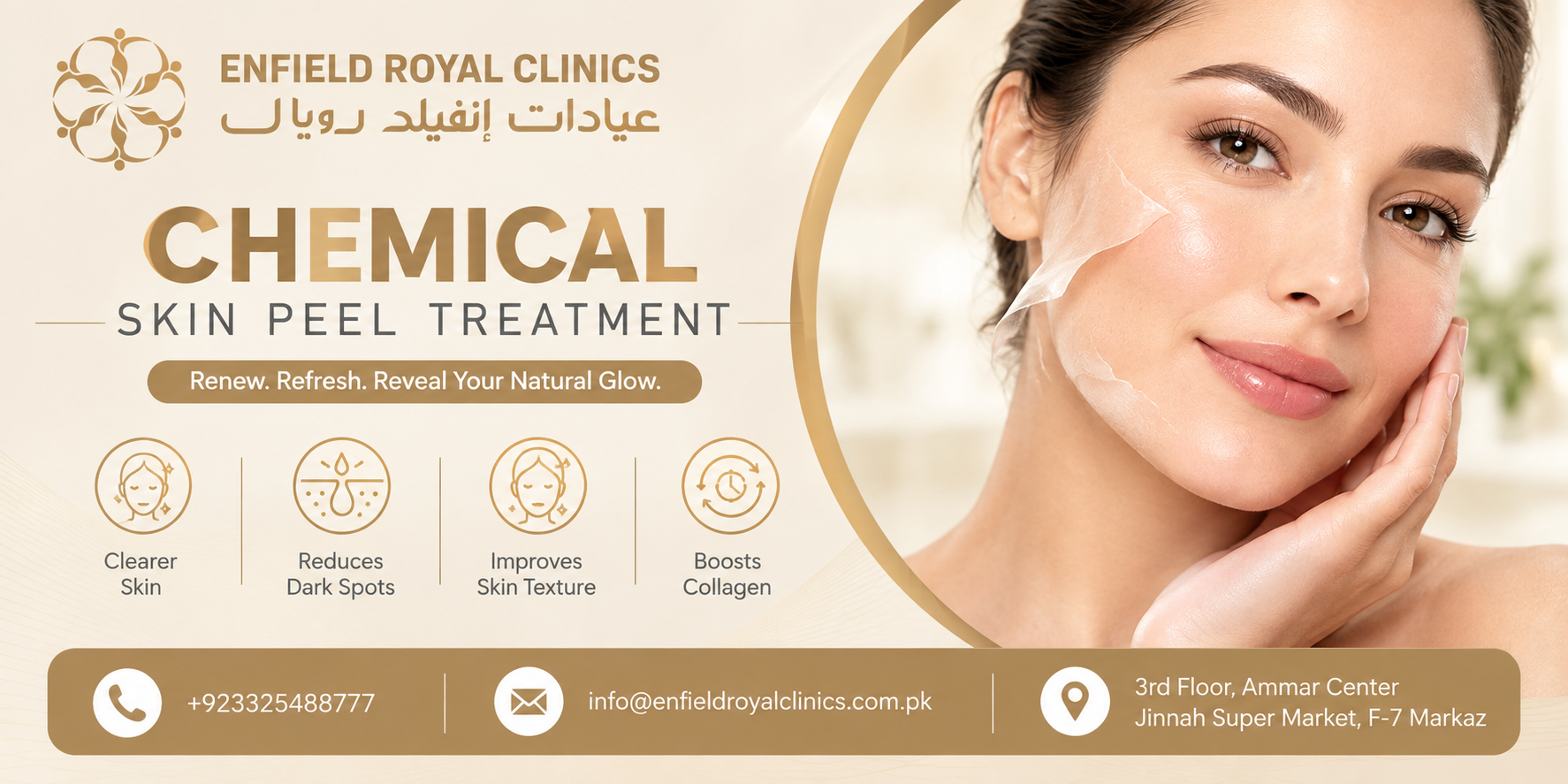
Chemical peel treatment is one option used to improve certain types of pigmentation. It involves applying a carefully selected chemical solution to exfoliate the outer layers of the skin and encourage skin renewal. People considering Chemical peel treatment in Islamabad often explore this procedure to reduce dark spots, improve acne marks, and achieve a more even-looking complexion.
The effectiveness of a chemical peel depends on the type of pigmentation, skin tone, treatment depth, and individual skin response. Understanding how the procedure works can help people make informed decisions about their skincare.
1. What Causes Hyperpigmentation on the Skin?
Hyperpigmentation develops when the skin produces or distributes excess melanin, the pigment responsible for natural skin colour. When melanin accumulates in certain areas, those areas appear darker than the surrounding skin.
Several factors can contribute to this condition.
-
Sun exposure: Ultraviolet radiation stimulates melanin production and can lead to sunspots and uneven pigmentation.
-
Hormonal changes: Pregnancy, hormonal medications, and other hormonal influences may contribute to melasma.
-
Acne and inflammation: Pimples, skin irritation, and injuries can leave dark marks known as post-inflammatory hyperpigmentation.
-
Ageing: Sun exposure over many years can contribute to age spots and uneven skin tone.
-
Skin irritation: Harsh skincare products, burns, and aggressive treatments may trigger pigmentation in some individuals.
Different types of hyperpigmentation require different approaches. For example, superficial dark spots may respond to exfoliating treatments, while deeper pigmentation can be more difficult to improve.
Identifying the cause is an important first step because treating the wrong type of pigmentation may produce limited results.
2. How Does Chemical Peel Treatment Reduce Hyperpigmentation?
Chemical peels use selected acids to exfoliate the skin in a controlled way. These ingredients loosen the bonds between dead skin cells, allowing pigmented cells in the outer layers to shed more easily.
As the skin gradually renews itself, some superficial dark spots and uneven patches may become lighter. The treatment can also improve skin texture and make the complexion appear fresher.
Chemical peels may help with hyperpigmentation through several processes:
Removing Pigmented Surface Cells
Some dark spots are concentrated in the upper layers of the skin. Exfoliation helps remove these accumulated cells and may gradually reduce the visibility of superficial discoloration.
Encouraging Skin Renewal
The controlled exfoliation process supports the development of newer skin cells. Over time, this may improve the appearance of uneven skin tone.
Improving Post-Acne Marks
Acne can leave brown or dark marks even after the pimples have healed. Certain chemical peels may help fade these superficial marks by encouraging the shedding of pigmented surface cells.
Improving Overall Skin Texture
Chemical peels can also reduce surface roughness and dullness, helping the complexion look more even.
However, chemical peels do not remove every type of pigmentation. Their effectiveness depends on how deeply the excess pigment is located and what caused it.
3. Which Types of Chemical Peels Are Used for Hyperpigmentation?
Different chemical peel ingredients target different skin concerns. The most suitable option depends on pigmentation depth, skin sensitivity, and overall skin condition.
Glycolic Acid Peel
Glycolic acid is an alpha-hydroxy acid that exfoliates the outer skin layers. It may help improve superficial pigmentation, sun-related discoloration, and post-acne marks. It is also used to improve dullness and uneven texture.
Lactic Acid Peel
Lactic acid provides exfoliation and may be considered for individuals who need a relatively gentle approach. It can help improve superficial discoloration while supporting skin hydration.
Mandelic Acid Peel
Mandelic acid has a larger molecular structure than glycolic acid, so it generally penetrates more slowly. It may be considered for selected individuals with sensitive or acne-prone skin who want to address mild pigmentation.
Salicylic Acid Peel
Salicylic acid is commonly used for oily and acne-prone skin. It helps exfoliate clogged pores and may be useful when pigmentation is associated with acne breakouts.
Jessner's Solution and Other Professional Peels
Certain professional formulations combine exfoliating ingredients to address selected pigmentation and texture concerns. Their suitability depends on the individual's skin tone, pigmentation type, and risk of irritation.
Stronger peels are not automatically more effective. Excessive exfoliation can cause inflammation and make pigmentation worse, especially in people who are prone to post-inflammatory hyperpigmentation.
4. Can Chemical Peel Treatment Help With Melasma and Dark Spots?
Chemical peels may improve some forms of hyperpigmentation, but results vary according to the underlying condition.
Sunspots and Age Spots
Sunspots develop after repeated ultraviolet exposure and are often concentrated in the upper layers of the skin. Selected superficial peels may help gradually reduce their appearance.
Post-Inflammatory Hyperpigmentation
Dark marks left after acne, irritation, or minor skin injuries may respond to carefully selected chemical peels. However, treatment should be conservative because additional inflammation can create more discoloration.
Melasma
Melasma causes brown or greyish patches, commonly on the cheeks, forehead, upper lip, and other facial areas. It is influenced by factors such as hormones, genetics, sunlight, and heat.
Chemical peels may improve some superficial melasma, but they do not permanently cure the condition. Melasma often requires long-term management involving sun protection and suitable topical treatments. Aggressive peels may worsen pigmentation.
People considering Chemical peel treatment in Islamabad should have their pigmentation assessed before choosing a procedure. This helps distinguish between different types of dark spots and reduces the risk of unsuitable treatment.
5. How Many Sessions Are Needed to Improve Hyperpigmentation?
The number of sessions depends on the type of pigmentation, its depth, the selected peel, and the individual's response to treatment.
Some individuals notice a brighter appearance after an initial superficial peel. However, visible improvement in persistent dark spots usually takes longer and may require several sessions.
Treatment is generally planned with appropriate intervals to allow the skin to recover. Repeating chemical peels too frequently can cause irritation, sensitivity, and further pigmentation.
Several factors influence the results:
-
Depth and severity of pigmentation.
-
Type and concentration of the chemical solution.
-
Natural skin tone and sensitivity.
-
Consistency with sunscreen use.
-
Existing skin conditions and acne activity.
-
Following the recommended aftercare routine.
Chemical peels should be viewed as part of a broader pigmentation-management plan rather than a one-time solution. Some conditions, particularly melasma, may return when triggering factors such as sunlight and hormonal changes remain present.
6. What Aftercare Is Important After a Chemical Peel?
Aftercare is essential because the skin becomes more sensitive during the recovery period. Proper care helps protect the skin barrier and reduces the risk of irritation and additional pigmentation.
Important aftercare practices include:
-
Apply sunscreen daily: A broad-spectrum SPF 30 or higher helps protect the treated skin from ultraviolet exposure.
-
Choose gentle skincare: Mild cleansers and fragrance-free moisturizers help reduce irritation.
-
Avoid picking peeling skin: Pulling away loose skin can cause inflammation and dark marks.
-
Pause exfoliating products: Retinoids, glycolic acid, salicylic acid, and other strong ingredients may need to be avoided temporarily.
-
Limit direct sunlight: Hats, shade, and protective clothing provide additional protection.
-
Avoid excessive heat: Saunas and very hot showers may aggravate recently treated skin.
-
Follow professional instructions: The recovery routine should match the depth and type of peel.
Tinted sunscreen containing iron oxides may provide additional protection against visible light, which can contribute to melasma and pigmentation in some individuals.
If severe pain, blistering, increasing redness, or unusual swelling develops, medical advice should be sought promptly.
7. Who Is a Suitable Candidate for Chemical Peel Treatment?
Chemical peels may be suitable for individuals with superficial dark spots, post-acne marks, uneven skin tone, and certain forms of sun-related pigmentation. They can also help people who want to improve dullness and rough skin texture.
However, not everyone is an ideal candidate. People with active skin infections, open wounds, severe irritation, or certain inflammatory skin conditions may need to postpone treatment.
Skin tone is especially important when selecting a chemical peel. Individuals with darker skin tones may have a greater risk of developing post-inflammatory hyperpigmentation after irritation. A carefully selected formulation and conservative approach can help reduce this risk.
People with melasma, deep pigmentation, or recurring dark patches may need a combination of treatments rather than chemical peels alone. A qualified healthcare professional can assess the skin and recommend an appropriate approach.
With suitable treatment selection, realistic expectations, and consistent sun protection, Chemical peel treatment in Islamabad may help improve superficial hyperpigmentation and create a more even-looking complexion.
Frequently Asked Questions (FAQs)
1. Can chemical peel treatment completely remove hyperpigmentation?
Chemical peels may reduce the appearance of superficial pigmentation, but they cannot guarantee complete or permanent removal. Results depend on the cause and depth of discoloration.
2. How long does it take to see results from a chemical peel?
Some individuals notice a brighter complexion after one session. However, dark spots and persistent pigmentation may require several sessions over time.
3. Can chemical peels treat melasma?
Selected chemical peels may improve superficial melasma, but the condition is often chronic and can return. Sun protection and other pigmentation treatments are usually important parts of long-term management.
4. Are chemical peels suitable for darker skin tones?
They may be suitable for some individuals with darker skin tones, but careful selection is essential because irritation can trigger post-inflammatory hyperpigmentation. A conservative treatment plan is generally preferred.
5. Can chemical peels remove dark spots caused by acne?
Yes, certain superficial chemical peels may gradually improve post-acne dark marks by exfoliating pigmented surface cells. Deep acne scars usually require different treatments.
6. Does sunscreen help maintain chemical peel results?
Yes. Daily broad-spectrum sunscreen helps protect sensitive skin from ultraviolet exposure and reduces the risk of new pigmentation developing after treatment.
