

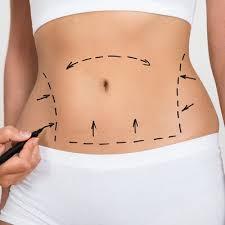

Uneven fat distribution is a common concern for people who maintain a healthy lifestyle but still notice that certain areas of their bodies appear fuller than others. For example, someone may have a relatively slim waist but carry stubborn fat around the hips, thighs, abdomen, or upper arms. These differences can affect overall body proportions and make achieving a balanced appearance challenging.
Liposuction in Dubai is a cosmetic surgical procedure designed to remove localised fat deposits and improve body contours. It can help address uneven fat distribution between selected body areas when a person is an appropriate candidate. However, its suitability depends on several factors, including skin elasticity, fat volume, general health, and individual aesthetic goals.
Why Does Uneven Fat Distribution Occur?
Fat distribution varies from person to person. Genetics, hormones, age, lifestyle, and natural body composition all influence where the body stores excess fat.
Some individuals tend to accumulate fat around their abdomen, while others notice greater fullness in their thighs, hips, back, or arms. Hormonal changes can also influence fat storage patterns, particularly during different stages of adulthood.
Weight fluctuations may contribute to these differences. When someone gains or loses weight, fat does not necessarily increase or decrease evenly throughout the body. Certain areas may retain noticeable fat deposits even after overall weight reduction.
This is why two people with similar body weights can have very different body shapes and proportions.
How Can Liposuction Help Improve Uneven Body Contours?
Liposuction removes localised fat through a surgical process involving small incisions and a specialised cannula connected to a suction device. The procedure is intended to reshape selected areas rather than produce significant overall weight loss.
When uneven fat distribution affects multiple body regions, a qualified surgeon may assess whether treating specific areas can create more balanced proportions.
For example, liposuction may be considered for:
-
Abdomen: To address localised fat around the upper or lower stomach.
-
Flanks: To reduce excess fat around the waist and sides.
-
Thighs: To improve contour irregularities caused by localised fat deposits.
-
Upper arms: To address persistent fullness that affects arm proportions.
-
Back: To reduce selected fat deposits around the upper or lower back.
-
Chin and neck: To improve contour where excess submental fat is present.
The treatment plan depends on individual anatomy. Removing fat from one area without considering surrounding body proportions may not produce the desired outcome. Therefore, careful planning is essential.
Can Multiple Body Areas Be Treated During One Procedure?
In some cases, liposuction can address more than one body area during the same surgical session. However, this decision requires an individual medical assessment.
The surgeon considers the number of areas involved, the expected amount of fat removal, the patient's health, surgical duration, and potential recovery requirements.
Treating multiple areas does not automatically mean better results. Excessive fat removal can increase surgical risks and may create irregular contours. A conservative approach that respects natural body proportions is often more appropriate.
If treating several areas simultaneously is not suitable, procedures may be planned in separate stages.
Why Is Skin Elasticity Important?
Skin elasticity plays an important role in how the body responds after fat removal. Once excess fat is removed, the skin needs sufficient elasticity to adjust to the new underlying contours.
People with good skin elasticity may experience better skin adaptation following liposuction. However, individuals with loose skin, significant stretch marks, or reduced skin firmness may experience remaining skin laxity.
Liposuction does not directly remove excess skin or tighten significantly loose tissues. In selected cases, another procedure may be more appropriate.
A professional assessment helps determine whether the expected improvement in body shape is realistic based on existing skin quality.
Who May Be Suitable for Liposuction?
Liposuction is generally considered for adults who have localised fat deposits that remain despite maintaining a relatively stable weight and healthy lifestyle.
Potential candidates typically:
-
Have realistic expectations about surgical outcomes.
-
Maintain a relatively stable body weight.
-
Have localised fat deposits affecting body proportions.
-
Have sufficient skin elasticity for the intended treatment.
-
Are in suitable general health for surgery.
-
Understand the recovery process and possible complications.
Liposuction is not a treatment for obesity or a substitute for weight management. It also cannot guarantee perfect symmetry because natural differences between body sides are common.
People with certain medical conditions, healing concerns, or other surgical risk factors may require additional evaluation before treatment.
What Should You Expect During Liposuction Recovery?
Recovery varies according to the number of treated areas, the surgical technique, and individual healing responses.
Swelling, bruising, tenderness, and temporary changes in sensation are common during the initial recovery period. Compression garments may be recommended to support healing and help manage swelling.
Patients should follow their surgeon's instructions regarding physical activity, wound care, medication, and follow-up appointments. Strenuous exercise and heavy lifting may need to be avoided until medical clearance is provided.
Initial changes in body contours may become noticeable as swelling decreases. However, final results can take several months to become clearer.
Like any surgical procedure, liposuction carries potential risks, including infection, bleeding, fluid accumulation, contour irregularities, changes in sensation, and complications related to anaesthesia. Understanding these risks is an important part of informed decision-making.
How Can You Maintain Liposuction Results?
Liposuction removes fat cells from treated areas, but remaining fat cells can still increase in size if significant weight is gained.
Maintaining a stable weight can help preserve the improvements achieved through surgery. A balanced diet, regular physical activity, sufficient sleep, and consistent healthy habits support long-term body composition.
It is also important to understand that natural ageing and hormonal changes can influence body shape over time.
Liposuction Assessment at Tajmeels Clinic
At tajmeels clinic dubai, liposuction planning focuses on understanding individual body proportions, localised fat deposits, skin quality, and personal aesthetic concerns. A consultation allows the clinical team to evaluate the areas a patient wishes to address and discuss whether liposuction may be an appropriate option.
The assessment considers factors such as fat distribution, existing body asymmetry, general health, and realistic surgical outcomes. Patients can also discuss treatment expectations, recovery requirements, potential risks, and whether treating multiple areas is suitable. This personalised approach supports informed decisions rather than applying the same treatment plan to every body type.
Final Thoughts
Uneven fat distribution can make certain body areas appear disproportionate, even when someone maintains a healthy weight. Liposuction may help improve these concerns by removing selected fat deposits and refining overall body contours.
However, successful treatment planning involves more than identifying areas with excess fat. Skin elasticity, body proportions, general health, and recovery expectations must also be considered. A consultation with a qualified plastic surgeon can help determine whether liposuction is suitable and what improvements may realistically be achieved.
More Information
Tajmeels Clinic Dubai
WhatsApp: +971 56 203 8751
Phone: tel:+971 43739000
Social Media:
