

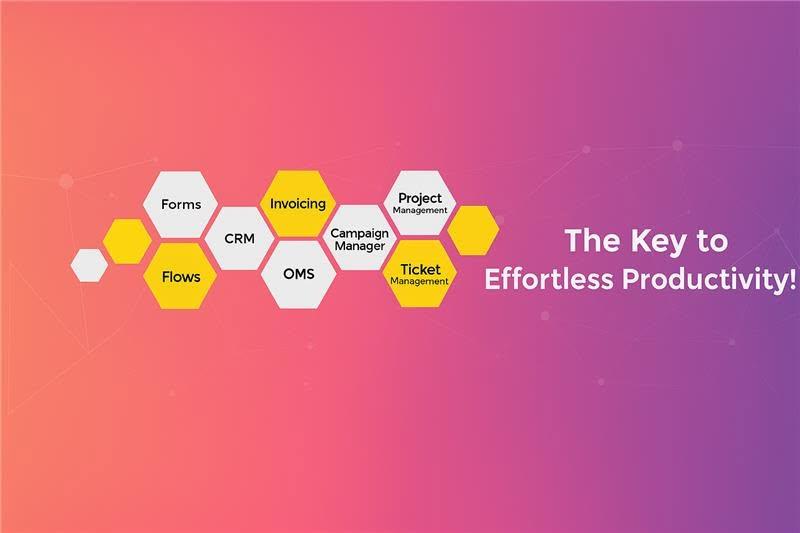

An order management system is a software solution that helps businesses manage the complete order lifecycle, from receiving customer requests to processing payments and completing deliveries. It brings important operational activities together, reducing the need to manage information across disconnected platforms.
For growing businesses, handling orders manually can become increasingly complicated. Employees may need to update spreadsheets, check inventory separately, and communicate order details across multiple departments. These fragmented processes create unnecessary workloads and increase the possibility of mistakes.
Modern order management tools simplify these responsibilities by providing centralized order information, automated updates, and better visibility into daily operations. Businesses can monitor transactions, track order progress, and manage customer requests more efficiently.
2. Why Modern Businesses Need Efficient Order Management
Customer expectations continue to evolve. People want accurate order information, faster processing, and dependable delivery services. Businesses that cannot meet these expectations may struggle to maintain customer loyalty.
An efficient order management process helps companies respond to these demands without creating additional operational pressure. Instead of relying on manual coordination, employees can use automated workflows to process orders and monitor their status.
Another important advantage is consistency. When order information is stored in one centralized system, employees can access accurate details without repeatedly requesting updates from different departments.
This improves coordination and reduces communication gaps. It also allows business owners to focus more attention on strategic decisions rather than routine administrative responsibilities.
3. How Order Management Systems Improve Operational Efficiency
Operational efficiency depends on how effectively a business uses its available resources. Delayed order processing, duplicated information, and disconnected workflows can consume valuable time and reduce productivity.
Order management systems address these challenges by automating repetitive tasks and organizing essential business information.
For example, when a customer places an order, the system can record the transaction, update inventory information, and provide employees with the details needed for fulfillment. This reduces unnecessary manual intervention.
Centralized information also improves departmental coordination. Sales teams can monitor order progress, warehouse employees can prepare shipments, and customer service representatives can access relevant updates.
The result is a more streamlined operational structure. Businesses can process higher order volumes without proportionally increasing their administrative workload.
4. The Role of Business Management Software in Business Growth
Business growth requires more than increasing sales. Companies must also develop systems that can support expanding operations without compromising service quality.
Business management software helps organizations coordinate different business functions, including order processing, inventory management, customer information, and operational reporting.
When these activities work together, businesses gain a clearer understanding of their performance. Managers can identify bottlenecks, evaluate productivity, and make informed decisions using organized information.
For instance, reviewing order trends can help businesses recognize popular products and anticipate inventory requirements. Similarly, analyzing processing times can reveal opportunities to improve fulfillment procedures.
This analytical visibility supports better resource allocation and long-term planning. Rather than relying entirely on assumptions, business owners can make decisions based on operational data.
5. Improving Inventory Accuracy and Stock Control
Inventory management is closely connected to successful order processing. Businesses need accurate stock information to avoid overselling products, delaying shipments, or maintaining unnecessary inventory.
Order management tools can help businesses monitor inventory movements and maintain more reliable stock records. When an order is processed, inventory information can be updated automatically, depending on the system's capabilities.
This visibility makes it easier to identify low-stock products and plan replenishment activities. It also reduces discrepancies between recorded inventory and actual stock levels.
Better inventory control can improve cash flow as well. Businesses can avoid tying up excessive capital in slow-moving products while maintaining sufficient stock of items customers frequently purchase.
6. Enhancing Customer Experience Through Better Order Processing
Customer experience does not end when someone completes a purchase. The entire fulfillment journey influences how customers perceive a business.
Delayed confirmations, inaccurate order details, and limited shipment visibility can create frustration. Efficient order management helps prevent these problems by organizing information and improving communication.
Businesses can use centralized order records to respond to customer questions more quickly. Employees can check transaction details, identify processing delays, and provide more accurate updates.
Reliable order fulfillment also strengthens customer confidence. When customers consistently receive the correct products within expected timeframes, they are more likely to return.
A smooth purchasing experience creates lasting value. It can encourage repeat purchases, positive reviews, and stronger customer relationships.
7. Reducing Operational Costs and Manual Errors
Manual business processes often involve hidden expenses. Employees spend time entering information, correcting mistakes, checking stock levels, and resolving communication problems.
These activities may appear manageable individually, but their cumulative impact can become substantial as order volumes increase.
Order management systems help reduce these inefficiencies through automation and centralized recordkeeping. Automated workflows minimize repetitive data entry, while organized information reduces the risk of inconsistent records.
Fewer errors can also mean fewer product returns, order corrections, and customer complaints. Businesses can therefore use their resources more effectively.
Over time, these improvements may contribute to lower operational expenses and better profitability. The objective is not simply to reduce employee involvement but to eliminate unnecessary tasks so teams can concentrate on higher-value responsibilities.
8. Key Features to Look for in Order Management Tools
Choosing the right order management solution requires understanding the operational requirements of a business. Different companies have different workflows, order volumes, and inventory challenges.
A useful system should provide centralized order tracking, allowing employees to monitor transactions from placement through fulfillment. Inventory synchronization is another important capability because accurate stock information supports dependable order processing.
Automation features can reduce repetitive administrative work, while reporting and analytics help managers evaluate business performance.
Integration capabilities also deserve attention. Businesses often use separate platforms for accounting, customer management, sales, and shipping. A solution that connects relevant tools can reduce information silos and improve workflow continuity.
Scalability is equally important. The selected software should accommodate increasing order volumes and evolving operational requirements as the business expands.
9. How to Choose the Right Order Management Solution
Selecting business software should begin with a clear assessment of existing challenges. Businesses should identify where delays occur, which processes require excessive manual work, and what information employees struggle to access.
Once these issues are understood, companies can evaluate solutions based on their practical requirements.
Ease of use should be a priority. Complicated interfaces can create adoption problems and reduce the benefits of automation. Employees should be able to understand essential features without extensive training.
Businesses should also consider customization, integration options, reporting capabilities, and ongoing support.
Cost is another important consideration, but the cheapest option is not necessarily the most economical. A reliable system that reduces errors and improves productivity may deliver greater long-term value.
For businesses exploring organized operational solutions, Aroopa Apps offers a relevant starting point for understanding order management tools and business management solutions.
10. The Future of Order Management Systems
The future of order management is closely connected to automation, artificial intelligence, and data-driven decision-making.
Businesses increasingly need systems that can handle larger transaction volumes while maintaining accuracy and operational flexibility. Intelligent automation can help identify recurring patterns, improve inventory planning, and support more efficient workflows.
Real-time information will also become increasingly important. Businesses need timely updates to coordinate sales, inventory, and fulfillment activities across different channels.
Cloud-based platforms and connected business applications can further improve accessibility and collaboration. Employees may be able to access essential operational information from different locations, supporting more flexible business structures.
As technology advances, order management systems will become increasingly important for companies seeking to maintain efficiency and competitiveness.
Conclusion
Managing business orders efficiently is essential for maintaining customer satisfaction, controlling operational costs, and supporting sustainable growth. Order management systems help businesses organize transactions, improve inventory accuracy, automate repetitive tasks, and establish more consistent workflows.
When supported by effective business management software, these capabilities create a stronger operational foundation. Businesses can gain better visibility into their activities, reduce unnecessary complexity, and make more informed decisions.
For companies looking to improve their daily operations, investing in reliable order management tools is a practical step toward building a more organized, productive, and scalable business.
