

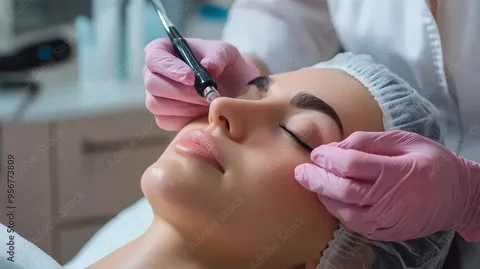

Choosing the right specialist is an important step when considering aesthetic treatments or hair restoration services. Every person has different skin concerns, beauty goals, and treatment needs. Some people want to improve their skin texture, while others want to reduce visible signs of aging or address hair thinning. A professional consultation helps identify suitable options and creates a treatment plan based on individual requirements. An experienced Aesthetic Treatment Specialist can evaluate these concerns and recommend suitable procedures based on skin condition, personal goals, and treatment expectations.
Understanding Modern Aesthetic Treatments
Aesthetic treatments focus on improving the appearance and condition of the skin. These treatments may address concerns such as uneven skin tone, fine lines, wrinkles, acne marks, and reduced skin firmness. The right procedure depends on the person's skin type and specific concerns. A professional assessment helps determine which options may provide suitable results.
Modern aesthetic procedures include several non-surgical and minimally invasive options. Some treatments focus on skin hydration, while others target pigmentation, texture, or signs of aging. Each procedure has its own purpose and requires proper evaluation before treatment. Understanding these differences helps individuals make informed decisions.
People should also understand that aesthetic treatments are not the same for everyone. A procedure that works well for one person may not be appropriate for another. Skin sensitivity, age, medical history, and lifestyle can influence treatment selection. Professional guidance helps reduce unnecessary procedures and supports better treatment planning.
Why Professional Consultation Matters?
A consultation is an essential part of any aesthetic treatment process. It gives the specialist an opportunity to understand the patient's concerns and examine the affected area. Patients can also discuss their expectations, previous treatments, and any questions they have. This discussion helps create a realistic plan.
A professional consultation should include an explanation of the recommended procedure. Patients should understand how the treatment works, what results may be expected, and whether recovery time is required. The specialist should also explain possible side effects and aftercare instructions. Clear communication helps patients feel more confident about their decisions.
It is also important to choose a clinic that follows proper hygiene and safety practices. Treatment equipment should be maintained according to professional standards. The procedures should be performed by appropriately qualified professionals. These factors help support a safer treatment experience.
Hair Restoration and Scalp Care Solutions
Hair thinning and hair loss can affect people of different ages. Common contributing factors include genetics, hormonal changes, nutritional deficiencies, stress, and certain medical conditions. The first step is understanding the possible cause of the problem. A proper assessment can help determine whether a treatment or medical evaluation is needed.
People experiencing hair loss may benefit from consulting a Hair Regrowth Therapy Specialist who can assess scalp health and discuss appropriate treatment options. Different approaches may be considered depending on the pattern and severity of hair thinning. These can include medical treatments, scalp-focused procedures, and supportive hair care plans. Treatment recommendations should always be based on individual needs.
Scalp health is another important part of hair restoration. Excessive oil, irritation, inflammation, and certain scalp conditions can affect hair quality. Maintaining a suitable hair care routine may help support scalp health. However, persistent hair loss should not be ignored because early assessment can help identify underlying concerns.
Understanding Different Cosmetic Procedures
Cosmetic procedures are designed to address specific appearance-related concerns. These may include improving skin texture, reducing wrinkles, treating pigmentation, or enhancing facial appearance. Some procedures are non-invasive, while others involve more advanced techniques. The choice depends on the patient's goals and professional recommendations.
A qualified Cosmetic Treatment Specialist can explain available procedures and help patients understand their suitability. The consultation may include a discussion about skin condition, desired improvements, and possible treatment outcomes. Patients should have enough information before agreeing to any procedure. This allows them to make decisions based on realistic expectations.
It is also important to avoid choosing treatments only because they are popular. Social media trends do not always reflect individual needs or professional recommendations. Every cosmetic procedure should have a clear purpose. A personalized approach can help avoid unnecessary treatments and support more appropriate results.
The Importance of Personalized Treatment Plans
A personalized treatment plan considers the patient's skin condition, hair concerns, lifestyle, and expectations. It helps the specialist select procedures that are appropriate for the individual. Instead of recommending the same services to everyone, a personalized approach focuses on specific concerns. This makes the treatment process more organized.
Some patients may need a single procedure, while others may require multiple sessions. The number of sessions depends on the treatment type and individual response. Specialists should explain the expected schedule before beginning the process. Patients should also understand that some treatments require maintenance.
Regular follow-up appointments can help evaluate progress. These visits allow the specialist to assess changes and discuss any concerns. If the treatment is not producing the expected response, adjustments may be considered. Proper follow-up supports informed decisions throughout the treatment process.
Skin Health and Daily Care After Treatment
Aftercare plays an important role in maintaining skin health following aesthetic procedures. Patients should follow the instructions provided by their specialist. Depending on the treatment, this may include avoiding direct sunlight, using recommended skincare products, and keeping the treated area clean. Proper aftercare can help reduce irritation and support recovery.
Sun protection is especially important after many skin treatments. Exposure to ultraviolet rays can contribute to pigmentation and skin damage. Using suitable sunscreen and limiting unnecessary sun exposure can help protect the skin. Patients should also avoid applying unapproved products to recently treated areas.
A consistent skincare routine can support long-term skin maintenance. Gentle cleansing, regular moisturizing, and appropriate sun protection are common parts of daily care. However, the products should match the person's skin type. A specialist can recommend suitable products based on individual concerns.
Factors to Consider When Choosing an Aesthetic Clinic
Selecting the right clinic requires careful consideration. Patients should look into the qualifications and experience of the professionals providing the treatments. They should also ask about the procedures available and the equipment used. These details help them understand the quality of care they may receive.
A good clinic should provide clear information about its services. Patients should be able to discuss treatment costs, expected results, possible risks, and recovery requirements. There should be no pressure to choose a procedure without understanding its purpose. Honest communication is an important part of professional care.
Location and appointment accessibility can also influence the overall experience. Choosing a clinic that is convenient to visit makes consultations and follow-up appointments easier. Patients should also consider whether the clinic provides guidance throughout the treatment process. Consistent communication can make treatment planning more comfortable.
Maintaining Realistic Expectations
Aesthetic and hair restoration treatments can support improvements, but results vary between individuals. Factors such as skin condition, hair health, treatment type, and personal response can influence outcomes. Some procedures may show gradual changes rather than immediate results. Patients should understand the expected timeline before starting treatment.
It is also important to recognize that no single procedure can address every concern. Some skin and hair conditions require ongoing management. Others may need medical assessment before cosmetic treatment is considered. Professional advice helps patients understand the available options.
Patience and consistency are important during the treatment journey. Following the recommended schedule and aftercare instructions can support better treatment management. Patients should communicate any unexpected reactions or concerns to their specialist. This helps ensure that appropriate guidance is provided when needed.
Making Informed Decisions About Aesthetic Care
Before choosing a treatment, patients should identify the concerns they want to address. They should prepare questions about the procedure, expected results, possible risks, and aftercare. Understanding these details makes consultations more productive. It also helps patients compare suitable treatment options.
Professional guidance should remain the foundation of every treatment decision. Patients should avoid relying entirely on online advertisements or unverified recommendations. A proper examination provides more relevant information than general treatment descriptions. This is especially important when dealing with persistent skin problems or hair loss.
The best approach is to select treatments that match individual needs rather than following temporary beauty trends. Clear communication, professional assessment, and realistic expectations can make the experience more effective. Taking time to understand each option helps patients make confident decisions about their appearance and personal care.
Professional Aesthetic and Cosmetic Care in Lahore
Finding the right specialist can make a difference when planning skin improvement, cosmetic procedures, or hair restoration treatments. Patients should choose professionals who understand their concerns and provide suitable guidance. An experienced specialist can explain available procedures and help develop an appropriate treatment plan. Proper assessment and aftercare should remain important parts of the process.
For individuals seeking professional aesthetic and cosmetic care, Dr Badie Idris provides these services in DHA, Lahore, and surrounding areas. As a leading choice for aesthetic and cosmetic treatment services, Dr Badie Idris focuses on understanding individual concerns and recommending suitable care options. Patients can consult the clinic to discuss their skin and hair goals, learn about available treatments, and understand the next steps toward their desired results.
