

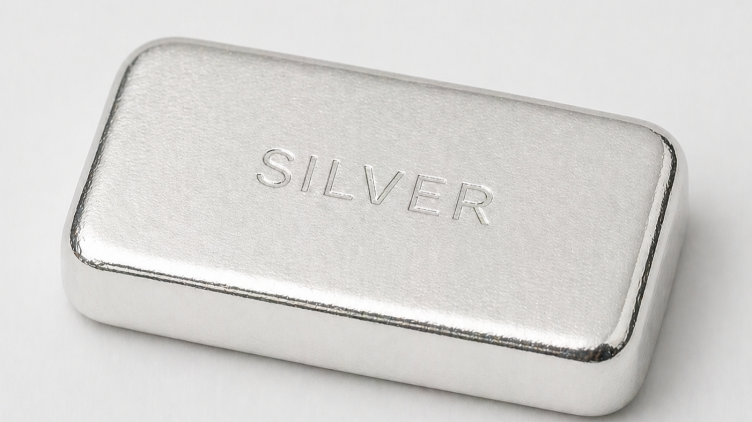

The Silver Price Trend experienced significant fluctuations during Q3 2026, as changing industrial demand, developments in solar panel production, and broader economic conditions influenced the international precious metals market.
Silver is an important metal used in various industries, including electronics, solar energy, electrical equipment, jewellery, and other manufacturing applications. Its market value is influenced by both industrial consumption and investment activities.
During this period, silver prices faced considerable downward pressure due to changing market sentiment and fluctuations in treasury yields.
Higher yields increased the opportunity cost of holding precious metals, encouraging some investors to reduce their positions. At the same time, profit-taking activities across major commodity exchanges added further pressure to the market.
However, the market started showing signs of recovery towards the end of September. Technical buying, renewed investor interest, and position adjustments helped silver prices regain some strength. This improvement provided temporary support after the earlier decline and helped stabilise market sentiment.
Silver Price Trend and Market Overview
The Silver Price Trend remained volatile during Q3 2026, with the global market recording an overall decline of approximately 13.55%. The movement reflected changing industrial demand, uncertainty surrounding solar panel technology, and fluctuations in financial market conditions.
Silver has an important position in both the precious metals and industrial commodities markets. Unlike metals that are mainly purchased for investment or jewellery, silver has a wide range of industrial applications. It is commonly used in electrical components, electronic devices, solar panels, and specialised manufacturing processes.
One of the important factors influencing the market during the quarter was changing demand from the solar energy industry. Solar panels require silver for their electrical conductivity, making the renewable energy sector an important source of industrial consumption. However, developments in photovoltaic technology and changes in silver usage per panel influenced expectations about future demand.
Financial market conditions also played an important role. Higher treasury yields and currency movements affected investor interest in precious metals. As a result, some market participants reduced their silver holdings and preferred to wait for clearer market signals.
Despite these challenges, September brought a noticeable improvement. Increased technical buying and renewed interest from traders helped prices recover approximately 3% during the month.
Factors Affecting Silver Prices
Several factors influenced Silver Prices during Q3 2026. Industrial demand, solar technology developments, treasury yields, investor behaviour, and trading activities all contributed to market movements.
Industrial Demand and Manufacturing Activity
Industrial consumption is one of the major factors influencing the silver market. Silver is widely used in electronics, electrical equipment, solar energy systems, and several manufacturing applications.
Changes in industrial production can directly affect the demand for silver. When manufacturing activity increases, companies may require more silver for their production processes. On the other hand, slower industrial activity can reduce purchasing requirements and affect market sentiment.
During Q3 2026, changing industrial demand created uncertainty among market participants. Buyers remained cautious about their procurement decisions, particularly as broader economic conditions influenced manufacturing expectations.
The performance of industries that regularly consume silver will therefore remain important for understanding future price movements.
Solar Panel Production and Photovoltaic Technology
The solar energy industry is an important consumer of silver. The metal is used in photovoltaic cells because of its excellent electrical conductivity and ability to support efficient electricity generation.
However, changes in solar panel technology can influence the amount of silver required during manufacturing. Improvements in production processes and efforts to reduce material costs can affect silver consumption per panel.
This creates an important relationship between solar panel production and silver demand. Even when solar installations increase, changes in manufacturing technology may influence the overall quantity of silver required.
During the quarter, developments in photovoltaic technology contributed to uncertainty about future industrial consumption. Market participants continued to evaluate how changes in solar production and material efficiency could influence demand.
Treasury Yields and Currency Movements
Financial market conditions also played an important role in the silver market. Treasury yields influence the attractiveness of holding precious metals because silver does not generate regular interest income.
When treasury yields increase, some investors may prefer interest-bearing financial instruments instead of holding precious metals. This can reduce investment demand and create downward pressure on silver prices.
Currency movements also affect international silver trading. Since silver is generally priced in US dollars, changes in the dollar's value can influence purchasing costs for buyers using other currencies.
During Q3 2026, fluctuations in treasury yields and currency conditions contributed to market uncertainty and affected trading decisions across major commodity exchanges.
Profit-Taking and Margin Liquidations
Profit-taking was another important factor affecting silver prices during the quarter. Following earlier year-over-year price increases, some traders decided to secure their gains by selling existing positions.
Such activities can increase selling pressure, particularly when many market participants follow similar strategies.
Margin-related liquidations also influenced trading activity. When market volatility increases or financial conditions become less favourable, traders may reduce their positions to manage risk and meet margin requirements.
These activities contributed to the downward movement in silver prices during Q3 2026.
Global Silver Price Movement (XAG/USD)
The global Silver Price Trend (XAG/USD) recorded a decline of approximately 13.55% during Q3 2026. The downward movement was mainly associated with changes in industrial demand, developments in solar panel technology, and fluctuations in treasury yields.
Trading desks across major bullion exchanges experienced profit-taking and margin pressure after the strong price increases seen earlier. These developments encouraged some investors to reduce their exposure to silver.
At the same time, uncertainty surrounding industrial consumption affected purchasing sentiment. Changes in photovoltaic technology created questions about future silver requirements in the solar energy sector, while broader economic conditions influenced manufacturing demand.
However, the market experienced a recovery towards the end of September 2026. Silver prices increased by approximately 3% during the month as technical support buying, speculative interest, and position adjustments encouraged fresh market activity.
This improvement helped reduce some of the pressure created by the earlier quarterly decline. It also provided temporary support to traders and industrial buyers who were monitoring lower price levels for potential purchasing opportunities.
Although September showed positive movement, the overall quarterly performance remained negative. The market continued to reflect uncertainty surrounding industrial demand and investment conditions.
Silver Price Chart: Understanding Market Movements
The Silver Price Chart is a useful tool for understanding changes in silver market values over different periods. It helps investors, traders, manufacturers, and procurement professionals identify price movements and observe how the market responds to changing economic conditions.
During Q3 2026, the silver price chart reflected a significant decline followed by a recovery towards the end of September. This movement highlighted the influence of financial market conditions and changing buying interest on silver prices.
Studying the price chart can help businesses understand historical price behaviour and identify periods of higher volatility. It also allows buyers to compare current market conditions with previous movements.
For industrial consumers, monitoring the chart can support better purchasing decisions. Companies that regularly use silver in manufacturing can review historical price levels to plan their procurement requirements and manage raw material costs.
Silver Price Index and Market Performance
The Silver Price Index reflected the overall weakness in the international silver market during Q3 2026. Higher treasury yields, changing industrial demand, and profit-taking activities contributed to the downward movement.
The index also highlighted the improvement recorded towards the end of September. Technical buying and renewed market interest supported prices and helped the market recover part of its earlier losses.
For traders and industrial buyers, the silver price index provides a broader understanding of market performance. It helps participants observe general price direction rather than focusing only on individual daily movements.
Regular monitoring of the index can also help businesses understand changes in market sentiment and evaluate the relationship between industrial demand and investment activity.
Silver Price Forecast and Future Market Outlook
The future direction of the Silver Price Forecast will depend on several important factors, including industrial consumption, solar energy development, treasury yields, currency movements, and investment demand.
The solar energy sector will remain an important area to watch. Growing renewable energy installations may support silver consumption, although improvements in photovoltaic technology and efforts to reduce silver usage could influence the overall demand outlook.
Electronics and electrical equipment manufacturing will also contribute to industrial demand. Any improvement in manufacturing activity could support silver consumption, while weaker production may limit purchasing interest.
Financial market conditions will remain equally important. Changes in treasury yields and the US dollar can influence investor interest in precious metals. Lower yields may encourage greater interest in silver, while higher yields could create additional pressure.
Investment activity will also influence short-term price movements. Increased buying interest, technical support, and renewed positions may provide support to prices. However, profit-taking and margin-related selling could continue to create volatility.
The September recovery of approximately 3% provided some positive momentum, but a sustained improvement will depend on stronger demand and supportive financial conditions.
Market participants should therefore monitor solar panel production, industrial consumption, treasury yields, currency movements, and investor positioning to understand the possible direction of silver prices.
👉 👉 👉 Please submit your query to get Silver Price Trend, forecast and market price analysis: https://www.price-watch.ai/book-a-demo/
About Price Watch™
Price Watch™ is an India-based, independent raw material price reporting agency that provides real-time price forecasts and data-driven insights into global raw material markets. Price Watch™ specializes in tracking raw material prices, analyzing market trends, and delivering timely updates on plant shutdowns, supply disruptions, capacity expansions, and demand-supply dynamics. The Price Watch™ platform empowers manufacturers, traders, and procurement professionals to make faster, smarter decisions. Leveraging AI-powered forecasting and over a decade of historical data, Price Watch™ transforms market volatility into actionable opportunity.
Futura Tech Park,
C Block, 8th floor 334,
Old Mahabalipuram Road,
Sholinganallur, Chennai,
Tamil Nadu, Pincode - 600119.
LinkedIn: https://www.linkedin.com/company/price-watch-ai/
Facebook: https://www.facebook.com/people/Price-Watch/61568490385598/
Twitter: https://x.com/pricewatchai
Website: https://www.price-watch.ai/
