

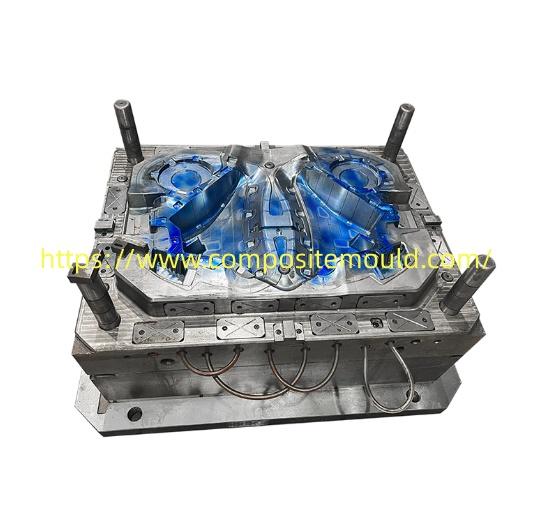

Prepreg Mould projects require careful coordination between product engineering, material preparation, tooling development, and production planning. For buyers sourcing custom manufacturing solutions, the decision should involve more than reviewing a quotation or comparing dimensions. A suitable supplier needs to understand the intended component, processing conditions, material characteristics, and expected production volume. Reviewing these factors before ordering can help reduce communication gaps and support a more predictable manufacturing process.
Define the Component Requirements Clearly
Before requesting a quotation, buyers should prepare detailed information about the intended component. Important details include overall dimensions, wall thickness, geometric features, surface requirements, and dimensional tolerances. Drawings and three-dimensional files can help the engineering team understand the product structure and identify areas that may require further discussion.
The application should also be explained. Components used in automotive, electrical, industrial, or other technical fields may have different structural and appearance requirements. Sharing the operating environment, expected service conditions, and planned production quantity gives the supplier a clearer basis for evaluating the project.
When some specifications remain undecided, buyers can discuss possible design arrangements during the initial engineering review. Early communication helps both parties establish a practical scope before manufacturing begins.
Match Material Characteristics With Processing Conditions
Material selection influences the design and production arrangement. Buyers should provide information about the material grade, reinforcement type, resin system, and processing requirements. Different composite materials may respond differently to pressure, heat, curing time, and other production conditions.
The supplier should review whether the proposed structure is suitable for the selected material and intended process. This assessment may include checking material flow, component thickness, local reinforcement areas, and possible changes during curing.
It is also useful to discuss material availability and storage requirements. Some materials require controlled handling before processing, so the production schedule should account for preparation time and storage conditions. Clear material information helps the engineering team plan the project with fewer uncertainties.
Evaluate Cavity Geometry and Release Arrangements
Cavity geometry directly affects component dimensions, surface quality, and production convenience. Buyers should review the internal structure, corner transitions, draft arrangements, and areas with complex contours. These details can influence how the finished component is formed and released.
Release arrangements deserve particular attention when a product has deep sections, narrow features, or complicated shapes. The engineering team should consider whether the proposed structure allows practical demolding without causing unnecessary stress or surface damage.
Buyers can also ask how dimensional accuracy will be checked. Critical areas may require specific measuring methods, inspection points, or sample approval procedures. Agreeing on these details before production helps prevent different interpretations of the final requirements.
Examine Heating and Temperature Distribution
For processes involving controlled heating, temperature management is an important part of project evaluation. Uneven heat distribution may affect curing consistency and create differences between areas of a component. Buyers should therefore ask how the heating arrangement is designed and monitored.
Relevant details may include heating zones, sensor positions, temperature settings, insulation arrangements, and control methods. The supplier should explain how these elements correspond with the selected material and production cycle.
It is also worth discussing temperature measurement and verification. Buyers may request information about inspection procedures and the methods used to check operating conditions. A clear understanding of these arrangements can help production teams prepare suitable process parameters.
Confirm Manufacturing Capabilities and Inspection Methods
A supplier's manufacturing resources can influence project coordination, processing accuracy, and delivery planning. Buyers should review available machining equipment, engineering support, assembly procedures, and quality inspection arrangements.
Ask whether the supplier can evaluate technical drawings, identify potential design concerns, and provide feedback before production. It is also useful to understand how critical dimensions are inspected and how production records are maintained.
Sample verification is another important step. Buyers should agree on the sample quantity, inspection criteria, approval process, and procedure for handling any required adjustments. Written acceptance standards make communication clearer and provide a reference for later production batches.
Organize Project Communication and Approval
A well-managed project needs clear communication between purchasing teams, engineers, and production personnel. Before confirming an order, buyers should identify the main contact person and establish how technical questions, drawing revisions, and approval requests will be handled.
The quotation should clearly describe the agreed specifications, included services, payment terms, estimated lead time, packaging arrangements, and delivery conditions. Any special requirements should be recorded rather than left to verbal discussion.
Buyers should also confirm which documents will be provided during the project. Depending on the application, these may include technical drawings, inspection records, material information, and sample approval documents. An organized approval process can reduce misunderstandings during different production stages.
Consider Maintenance and Future Production Needs
Purchasing decisions should account for the expected service period and future manufacturing plans. Buyers can ask about routine maintenance, cleaning procedures, replacement components, and recommended storage conditions when the tooling is not in use.
If repeat orders are expected, discuss how production specifications and inspection standards will be retained. Consistent documentation can help maintain alignment between separate manufacturing batches and make future project planning easier.
A long-term supplier relationship also depends on practical communication after delivery. Buyers should understand how technical questions, maintenance requests, and possible design changes will be addressed.Before making a final decision, compare each supplier's technical understanding, manufacturing arrangements, inspection procedures, and communication process. A detailed evaluation helps purchasing teams identify a partner whose capabilities match the actual project requirements. Buyers can review the available services and product information from compositemould at https://www.compositemould.com/product/ to support their supplier assessment.
