

Top 8 Clinics for Hair Transplant in Dubai Compared: Methods, Care and Results
Top 8 Clinics for Hair Transplant in Dubai Compared: Methods, Care and Results
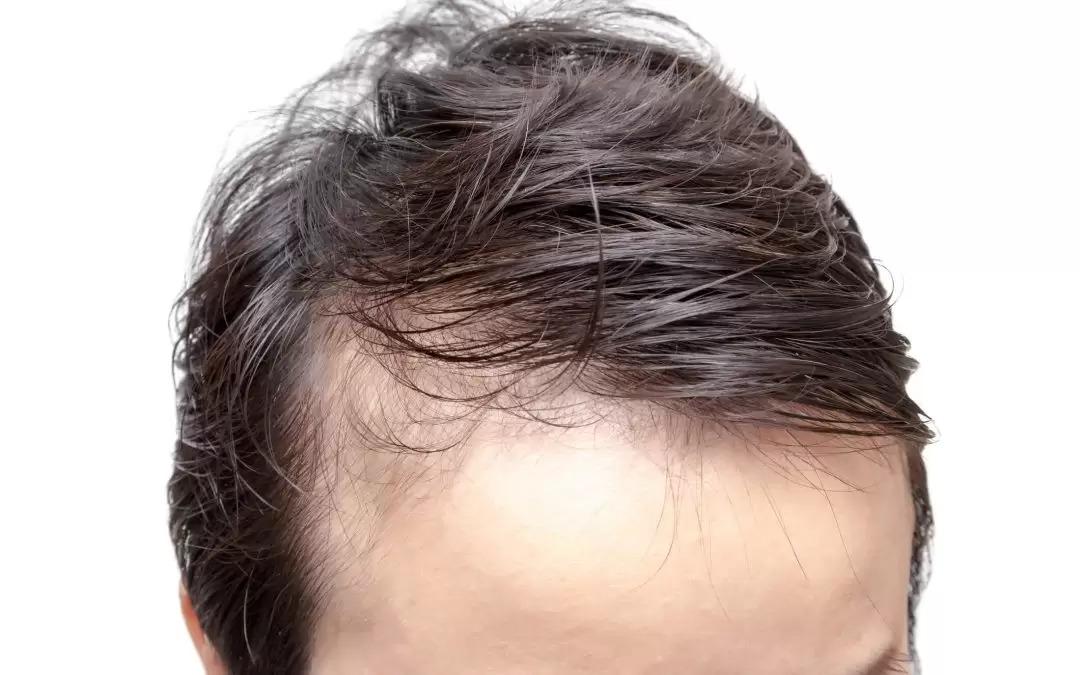
A receding hairline or a thinning crown can change the way a person feels in photographs, at work, and in everyday conversation. It is a common concern, and one that many people in the city choose to research carefully before acting on. For those readers, Hair Transplant in Dubai is a phrase that appears early in the search, and this guide is written to help them compare what is actually on offer, rather than to push them toward any single decision. It explains the procedure in plain language, compares eight providers, and sets out the questions that matter most before a clinic is chosen.
The comparison approach used here is deliberate. No single clinic suits every person, because donor hair, pattern of loss, age, health, and expectations all differ. A list is only a starting point; the consultation is where the real comparison happens.
Readers should also hold on to the honest limits from the start. A transplant moves a person's own hair from one part of the scalp to another. It cannot create new hair, it does not cure genetic hair loss, and it does not prevent further thinning in untreated areas. Growth is slow, with the fuller effect often taking nine to twelve months. Those facts do not make the procedure a poor choice; they make it a choice that should be entered into with clear eyes and a realistic plan.
How a Hair Transplant Works
A transplant relocates hair follicles from a donor area, usually the back and sides of the scalp where hair tends to stay thicker, to a recipient area where it has thinned. Because the follicles come from the person's own scalp, the transplanted hair is expected to behave much like the hair in the donor area. The procedure is normally carried out in a clinical setting with local anaesthesia, and most people return home the same day.
Two broad methods are used to collect the follicles. In one, small groups of follicles are removed one by one from the donor area. In the other, a narrow strip of scalp is taken and then divided into individual grafts. Both approaches aim for the same result, and the choice often depends on the person's hair type, the size of the area to be treated, and the clinician's judgement. Readers should expect the consultation to explain which method is suggested and why.
After preparation, tiny openings are made in the recipient area and the grafts are placed with attention to angle, direction, and spacing. This placement shapes how natural the result looks, because healthy hair grows in a particular direction. The hairline deserves the most care, since it frames the face and is the most visible part of the result. A thoughtful design suits the person's age, face shape, and remaining hair, and it usually aims for a believable density rather than an overly thick one.
Recovery follows a pattern that is worth knowing in advance. Transplanted hair often sheds in the first few weeks, which can feel worrying even when it has been explained. New growth begins slowly over the following months, with visible change often appearing after three to four months.
Is a Hair Transplant Worth Considering?
Whether the procedure is worth considering depends on the individual, and the honest answer is that it suits some people far better than others. The strongest candidates tend to be people with a stable pattern of loss, a good supply of donor hair, and realistic expectations about density and timing.
Age and the stage of hair loss also matter. When loss is still changing quickly, a plan made today may not suit the scalp in a few years, and a responsible clinician will discuss that openly. Similarly, a person with very limited donor hair may be advised that full coverage is not realistic, and that a more modest improvement is the honest goal.
Clinics for Hair Transplant in Dubai to Consider
The eight providers below offer a starting point for comparison. Readers should contact clinics directly to confirm services and aftercare.
1. Dynamic Life Clinic
Dynamic Life Clinic is a name that appears often in searches for cosmetic and aesthetic care in Dubai, UAE. Readers who are comparing clinics may wish to enquire about its hair transplant services, the experience of the team, and the way consultations are carried out. A first enquiry can help clarify whether the clinic offers the method the reader is considering.
The value of a consultation lies in the quality of the assessment. Readers should ask how donor hair is examined and what aftercare is provided.
2. Emirates Hospital
Emirates Hospital offers a larger hospital setting, which some readers may prefer when they want a procedure carried out within a hospital environment. Those who contact the hospital may wish to ask which department handles hair transplant care and how consultations are arranged.
A consultation should cover the same practical points as anywhere else: the method proposed, the timeline for growth, and recovery.
3. Enfield Royal Clinic Dubai
Enfield Royal Clinic Dubai is based at Villa 1089, Al Wasl Road, Al Manara, Dubai, UAE, and was established in 2007. The clinic offers plastic surgery, cosmetic procedures, and aesthetic treatments, with DHA-licensed professionals working across its services, and hair transplant is among the services relevant to this guide. Its long presence in the city and its central Al Wasl Road location make it a convenient place for many readers to begin their enquiries.
Patients who visit for an assessment may expect a discussion about their pattern of hair loss, the condition of the donor area, and whether a transplant is a suitable option at all. A good consultation should also cover honest limitations, including the fact that results take months to show, that not everyone has enough donor hair for full coverage, and that ongoing thinning in other areas may still need attention. Readers should feel free to ask questions and to take time before deciding.
The clinic reports more than 3,500 plastic surgeries and more than 20,000 aesthetic treatments each year across its services. Those figures describe its wider work, not hair transplant results alone.
Treatment planning at the clinic is described as personalised according to individual patient needs, with procedure-specific aftercare provided. For a hair transplant, that means the plan should reflect the reader's own donor supply, pattern of loss, and goals, rather than a standard package.
4. Cocoona Clinic
Cocoona Clinic is often mentioned in discussions about aesthetic treatments in Dubai, UAE. Readers who are interested may wish to enquire about its approach to hair transplant care and the kind of assessment offered before treatment. A short enquiry can establish whether the clinic provides the service and how appointments are booked.
During a consultation, readers should look for a clear explanation of suitability. Not every pattern of loss responds in the same way.
5. Tajmeels Clinic
Tajmeels Clinic is another option readers may come across while researching clinics in the city. Those who contact the clinic may wish to ask about consultation availability, the hair transplant methods offered, and the aftercare that follows treatment. General enquiries can help narrow a shortlist before a visit.
The consultation itself is the best test of a clinic. Readers should note whether the team listens carefully and explains the plan plainly.
6. Dubai Cosmetic Surgery Clinic
Dubai Cosmetic Surgery Clinic is a well-known name in the city's aesthetic field, and readers may wish to include it in their comparison. An enquiry can clarify the hair transplant services offered, the consultation process, and the way treatment plans are put together. Readers should ask for details in writing where possible.
The most useful questions remain the same across clinics: how is donor hair assessed, how is the hairline planned, and what does recovery involve?
7. Al Zahra Hospital Dubai
Al Zahra Hospital Dubai offers a hospital setting for readers who prefer that environment for a procedure. Those interested may wish to enquire about the relevant department, the consultation route, and the team involved in hair transplant care. A hospital setting can appeal to readers who want wider medical support nearby.
Readers should still ask about the method, the number of grafts suggested, and the follow-up schedule.
8. King's College Hospital London Dubai
King's College Hospital London Dubai is a hospital name that some readers may recognise, and it can be included in a shortlist for enquiries about hair transplant care. Readers may wish to ask how consultations are arranged and which team handles this area of treatment. An initial enquiry can confirm availability and the next steps.
Readers should use the consultation to understand suitability, the proposed method, and the expected timeline.
How to Choose the Right Clinic for Hair Transplant in Dubai
Choosing a clinic is a personal decision, and a little preparation can make the comparison much easier. The points below offer a simple way to judge each option on the same basis, without being rushed into a decision.
Judge the assessment, not the advertisement
A good clinic begins with a careful examination of the scalp, the donor area, and the pattern of loss. Readers should look for a consultation that explains whether a transplant is suitable, rather than one that assumes treatment is the right step.
Ask who does the work
Readers should ask who will carry out each stage of the procedure and what their role will be. Clear answers about the team, their experience with the chosen method, and the level of involvement at each step help readers understand what they are choosing.
Look for a realistic hairline plan
A natural result depends on a hairline that suits the person's age, face shape, and remaining hair. Readers should ask how the hairline will be designed and whether the plan aims for a modest, believable result rather than an overly dense one.
Understand the method and the graft count
Readers should ask which collection method is proposed, how many grafts are suggested, and how that number was decided. The answer should relate to the donor supply and the size of the area to be treated.
Check recovery and aftercare
Recovery involves rest, gentle washing, sun protection, and follow-up visits. Readers should ask for written aftercare instructions and find out how to contact the clinic if questions arise in the days after treatment.
Frequently Asked Questions
What is a hair transplant?
A hair transplant is a procedure that moves hair follicles from an area where hair is still growing well, usually the back or sides of the scalp, to an area where it has thinned. The transplanted hair is expected to grow in its new place in much the same way as it grew in the donor area.
How long does it take to see results?
New growth is usually slow. Shedding in the first few weeks is common, and visible improvement often begins after three to four months. The fuller result may take nine to twelve months to become clear, and in some cases it can take longer.
Is a hair transplant permanent?
Transplanted follicles are taken from areas that are usually less affected by common patterns of loss, so they often continue to grow in their new place. However, the procedure does not stop future thinning in untreated areas, and it is not a cure for genetic hair loss.
Does the procedure leave visible scars?
That depends on the method used. One method leaves tiny dots in the donor area, while the other leaves a thin line where the strip was taken. The clinic should explain what scarring may be expected with the proposed method and how it is usually managed.
How many grafts will I need?
The number depends on the size of the area to be treated, the density the reader hopes for, and the amount of donor hair available. Only an in-person assessment can give a meaningful answer.
Conclusion
Comparing clinics takes time, yet it is time well spent. A hair transplant is a considered medical decision, and the quality of the assessment, the clarity of the plan, and the honesty about limits matter far more than any single claim in an advertisement.
For those who decide to explore the option further, a consultation is the sensible next step. A calm discussion about the hair transplant procedure — including suitability, method, graft numbers, recovery, and the expected timeline — can turn general research into a personal plan that fits the reader's hair, health, and expectations.
