

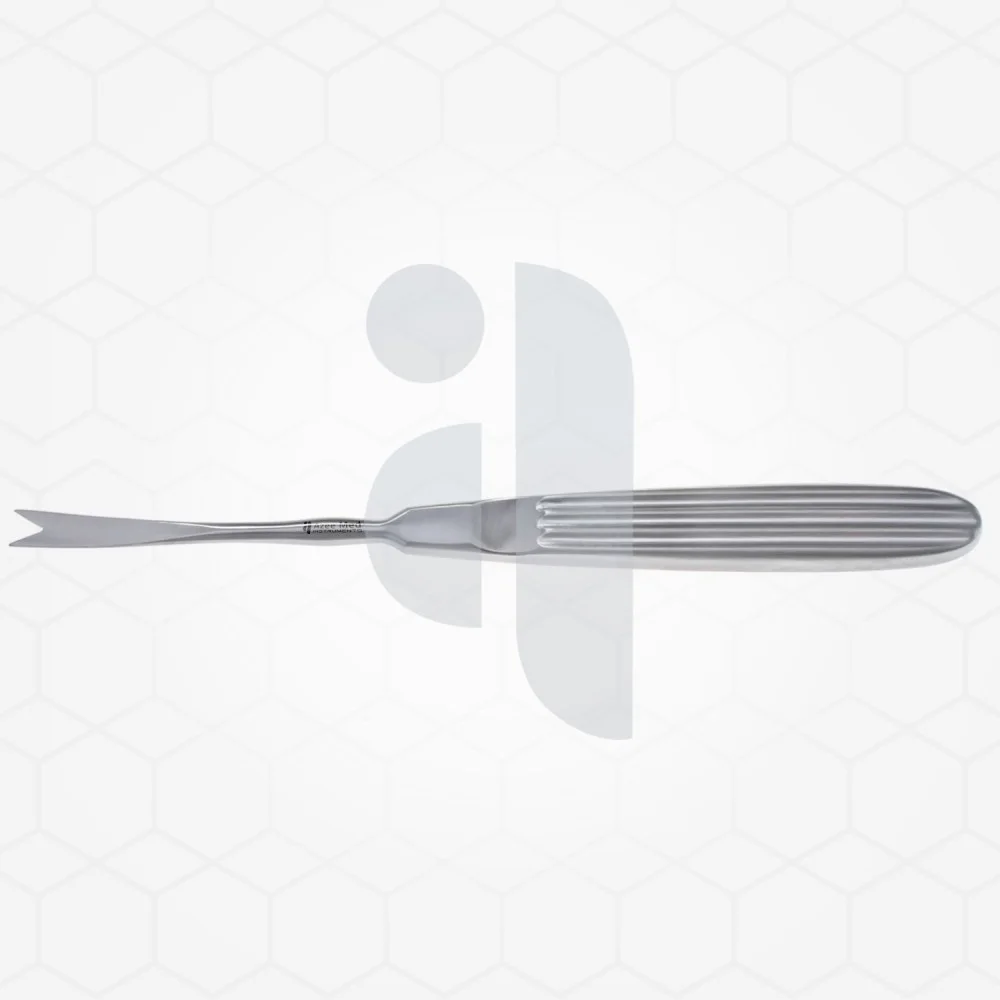

In delicate surgery, a few millimeters can make all the difference. Surgeons need tools that separate tissue gently without tearing or bruising nearby structures. The penfield elevator is one of the most trusted instruments for this kind of careful work.
The Story Behind the Instrument
This instrument is named after Dr. Wilder Penfield, a pioneering neurosurgeon who changed how surgeons approached the brain and nervous system. He needed a tool that could move delicate tissue with control and minimal trauma. His design remains a standard in operating rooms around the world. Today, the penfield elevator is found in neurosurgical, spinal, and many other specialty instrument sets.
Design Features That Support Precision
Most versions are double-ended, so the surgeon can use either end without switching instruments. The tips are smooth and blunt, which lets them slide between layers of tissue without cutting. They come in several numbered patterns, and each offers a different tip width, curve, or angle. This variety lets surgeons match the tool to the anatomy in front of them. A well-balanced handle gives steady control, which makes the penfield elevator dependable during long and demanding procedures.
Applications Across Surgical Specialties
In neurosurgery, surgeons use this instrument to separate the dura from the skull and to dissect around sensitive neural tissue. Spine surgeons rely on the penfield elevator to gently retract nerve roots and clear tissue during decompression procedures. Dental and oral surgeons use it to lift soft tissue flaps away from bone. ENT and plastic surgeons also value its fine control in reconstructive work. This wide range of uses makes it one of the most versatile tools in modern surgery.
Why Quality Makes the Difference
A poorly made instrument can bend under pressure or develop rough edges that harm delicate tissue. Low-grade metal may also corrode after repeated sterilization. A high-quality penfield elevator made from surgical-grade stainless steel keeps its shape, stays smooth, and performs the same way every time. Surgeons can then focus fully on the patient rather than the tool in their hand.
Trusted Craftsmanship from AzeeMed
AzeeMed focuses on making surgical instruments of the highest quality for the medical community around the globe. With over two decades of experience, we furnish you with an array of instruments for various surgical specialties, including plastic, dental, ophthalmic, neuro and spine, and orthopedic surgeries. We craft every corneal trephine with careful attention to steel quality, tip finish, and balanced handling, so it meets the real demands of clinical practice.
Conclusion
Delicate dissection calls for control, smoothness, and reliability, and this instrument delivers all three. Its blunt tips, range of patterns, and balanced design make it valuable in neurosurgery, spine, dental, and reconstructive procedures. When you choose a penfield elevator from a trusted manufacturer like AzeeMed, you get lasting durability, consistent performance, and the confidence your surgical team needs in every case.
