

How Does Tajmeels Clinic Evaluate Individual Suitability for NAD+ Therapy?

NAD+ IV therapy has gained attention among people interested in cellular health, energy metabolism, and personalised wellness. NAD+ (nicotinamide adenine dinucleotide) is a coenzyme naturally present in the body that supports essential cellular processes, including energy production, metabolic activity, and DNA repair. However, NAD+ IV Drip in Dubai may not be appropriate for everyone. Individual health conditions, medical history, current medications, and wellness goals all play an important role in determining suitability.
Before considering NAD+ IV therapy in Dubai, it is important to undergo a professional medical assessment. A personalised evaluation helps identify potential concerns, establish realistic expectations, and determine whether the treatment is an appropriate option for an individual's circumstances.
Understanding the Purpose of NAD+ Therapy
NAD+ is involved in several biological functions that help cells maintain normal activity. It plays an important role in mitochondrial energy production, cellular metabolism, and processes involved in maintaining healthy DNA.
NAD+ levels naturally change with age and may also be influenced by metabolic activity and other biological factors. This has increased interest in NAD+ supplementation and intravenous administration as part of wellness programmes.
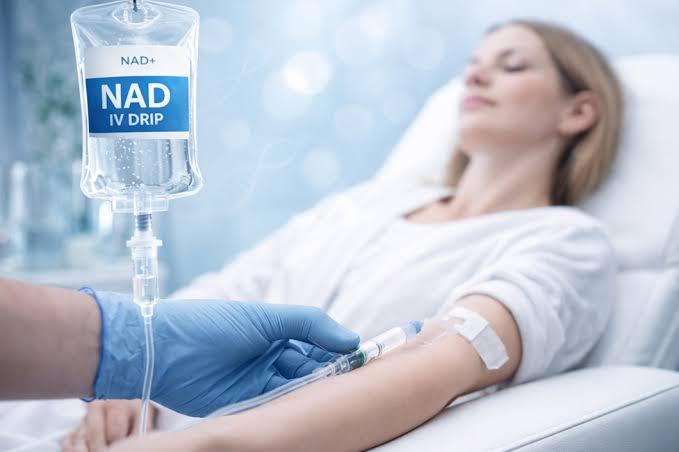
NAD+ IV therapy delivers the coenzyme directly into the bloodstream through an intravenous infusion. However, its potential benefits in healthy individuals remain an area of ongoing research. It should not be considered a proven treatment for ageing, chronic fatigue, neurological conditions, or other medical diseases.
Understanding these limitations is an important part of deciding whether the therapy is suitable.
Why Individual Suitability Matters Before NAD+ IV Therapy
Wellness treatments should never follow a one-size-fits-all approach. Two individuals may have similar goals but different medical backgrounds, lifestyle habits, and treatment requirements.
For example, someone interested in supporting general wellness may have different considerations from someone experiencing persistent fatigue or managing an existing health condition.
An individual assessment helps healthcare professionals understand these differences before recommending treatment. It also provides an opportunity to identify situations where further investigation or an alternative approach may be more appropriate.
Important considerations include:
-
General health and current medical conditions.
-
Previous experiences with intravenous treatments.
-
Existing medications and supplements.
-
Allergies and previous infusion reactions.
-
Current wellness goals and expectations.
-
Pregnancy or breastfeeding status.
-
Any symptoms that require medical investigation.
These factors help establish a clearer picture of an individual's health and potential treatment risks.
Reviewing Medical History and Existing Health Conditions
Medical history is one of the most important elements of a NAD+ IV therapy assessment. Healthcare professionals need to understand whether an individual has any existing conditions that could affect treatment decisions.
During this process, individuals may be asked about cardiovascular conditions, kidney or liver problems, metabolic disorders, and other ongoing health concerns. Previous hospitalisations, surgical procedures, and reactions to medications or infusions may also be relevant.
People experiencing unexplained tiredness, persistent weakness, or other concerning symptoms should receive an appropriate medical evaluation rather than assuming NAD+ therapy will resolve the problem.
A detailed medical history allows healthcare professionals to identify potential contraindications and decide whether additional medical advice or investigations are necessary.
Evaluating Current Medications and Supplements
Another important part of assessing suitability involves reviewing medications and supplements.
Some individuals regularly use prescription medicines, vitamins, herbal products, or other wellness supplements. Although NAD+ is naturally produced in the body, intravenous administration introduces additional considerations that should be reviewed professionally.
Patients should provide accurate information about everything they currently take, including medication names, dosages, and any recent changes.
This information helps healthcare professionals assess possible interactions, identify relevant precautions, and determine whether the proposed treatment requires additional review.
Individuals should never stop prescribed medication simply to qualify for NAD+ IV therapy.
Understanding Personal Wellness Goals
Treatment suitability also depends on understanding why someone is interested in NAD+ therapy.
Some people explore NAD+ IV drips because they are interested in cellular health, while others enquire about energy metabolism, general wellness, or age-related changes.
During a consultation, healthcare professionals should discuss these expectations and explain what current scientific evidence does and does not support.
NAD+ plays an established role in cellular metabolism, but evidence supporting intravenous NAD+ therapy for specific wellness outcomes remains limited. It is therefore important to avoid unrealistic promises or assumptions about guaranteed improvements.
Clear communication helps individuals make informed decisions based on their actual needs rather than marketing claims.
Assessing Lifestyle and General Health Factors
Lifestyle habits can influence overall health and may provide useful information during a NAD+ therapy assessment.
Healthcare professionals may discuss sleep quality, dietary habits, physical activity, hydration, stress levels, and daily routines. These factors help provide a broader understanding of an individual's wellness priorities.
For example, someone experiencing low energy because of insufficient sleep or inadequate nutrition may benefit more from addressing these underlying factors.
A balanced approach considers the person's overall health instead of focusing exclusively on an intravenous treatment.
Checking Safety and Possible Treatment Risks
Safety screening is essential before administering any intravenous therapy. NAD+ IV infusions may cause side effects, and individuals can respond differently depending on their health and treatment circumstances.
Possible infusion-related effects include:
-
Nausea or digestive discomfort.
-
Flushing or a feeling of warmth.
-
Headache.
-
Dizziness.
-
Abdominal discomfort.
-
Changes in heart rate or blood pressure.
The speed of infusion and individual tolerance may influence the experience. Healthcare professionals should explain potential reactions, discuss appropriate monitoring, and establish when an infusion should be paused or stopped.
People with a history of severe allergic reactions, significant medical conditions, or previous infusion complications may require additional assessment before proceeding.
How Tajmeels Clinic Evaluates Individual Suitability for NAD+ Therapy
At tajmeels clinic dubai, the NAD+ IV therapy consultation should focus on understanding individual health requirements rather than automatically recommending treatment. The assessment process considers medical history, current medications, existing health concerns, lifestyle factors, and personal wellness objectives.
Tajmeels Clinic can use this consultation to discuss whether NAD+ IV therapy is an appropriate option, explain potential limitations, and identify precautions that may influence treatment planning. Where necessary, further medical evaluation may be recommended before proceeding.
The clinic-based approach should also prioritise informed consent, realistic expectations, appropriate infusion monitoring, and individual safety considerations. If NAD+ therapy is not suitable, discussing alternative wellness or medical approaches is an important part of responsible care.
This personalised assessment helps individuals understand their options and make decisions with a clearer understanding of the treatment.
What Should You Discuss During Your NAD+ IV Consultation?
Preparing a few questions before an appointment can make the consultation more useful. Individuals considering NAD+ IV therapy in Dubai should discuss:
-
Am I medically suitable for NAD+ IV administration?
-
Are there any risks related to my existing health conditions?
-
Could my current medications affect treatment decisions?
-
What side effects should I understand before starting?
-
What scientific evidence supports the expected outcomes?
-
What monitoring will be provided during the infusion?
Providing honest and complete medical information helps healthcare professionals make more informed recommendations.
Making an Informed Decision About NAD+ IV Therapy
Individual suitability is an essential consideration before starting NAD+ IV therapy. Although NAD+ supports important cellular functions, intravenous supplementation is not appropriate for everyone, and its clinical benefits for many wellness claims have not been firmly established.
A professional assessment helps identify potential risks, review personal health requirements, and establish realistic expectations. Choosing a clinic that prioritises medical screening, patient education, and safety can make the decision-making process more responsible.
For anyone exploring NAD+ IV drip treatment in Dubai, a personalised consultation at Tajmeels Clinic is a useful starting point for understanding available options and determining the next appropriate steps.
how NAD+ supports DNA repair, cellular energy, and mitochondrial function, and explore its connection to cellular wellness and IV therapy.
