

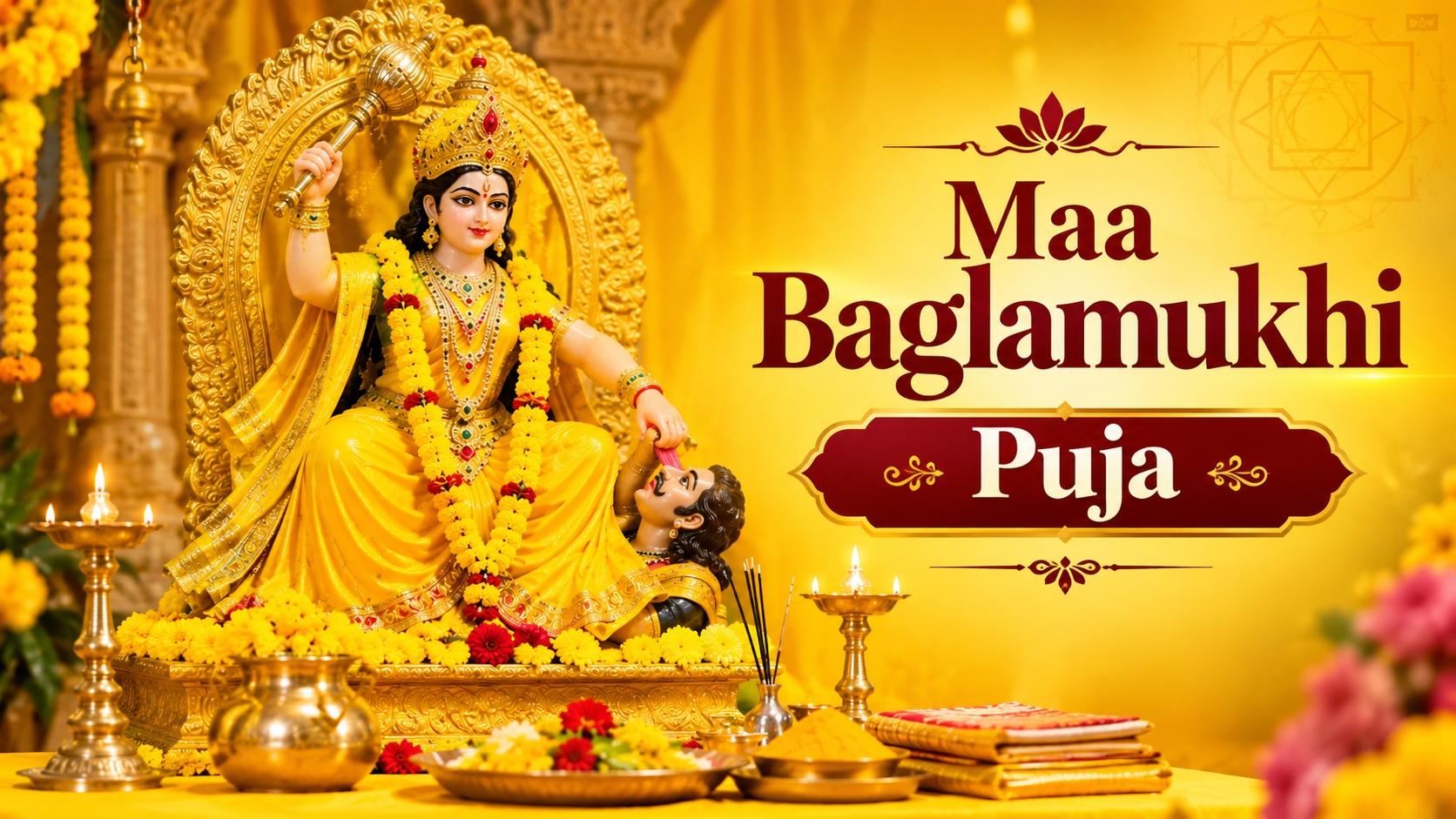

Family prayer books play an important role in keeping religious traditions alive across generations. In many households, devotional books are more than collections of prayers; they are valuable records of family beliefs, worship habits, sacred verses, and cultural practices. Baglamukhi family prayer books can help families maintain a meaningful connection with Maa Baglamukhi while preserving the traditional customs followed by previous generations.
These books may contain mantras, stotras, aarti verses, prayer sequences, and personal notes about family worship. Their contents can differ according to regional traditions, religious backgrounds, and family practices. By maintaining and using these records respectfully, families can pass their devotional knowledge to younger members.
What Are Baglamukhi Family Prayer Books?
Baglamukhi family prayer books are devotional collections maintained by households that worship Maa Baglamukhi. They may include printed religious texts, handwritten notebooks, prayer collections, or family records containing traditional verses and worship instructions.
Some books focus mainly on mantra recitation and stotras, while others include aarti, devotional songs, festival prayers, and notes about household worship customs.
The contents are not necessarily identical in every family. Some households follow a particular regional tradition, while others maintain prayer collections passed down by elders. Therefore, these books reflect both shared religious beliefs and individual family customs.
How Family Prayer Books Preserve Worship Customs
1. Keeping Traditional Prayers Together
One of the main benefits of a family prayer book is that it keeps frequently used prayers in one organised place. Families may otherwise depend on separate books, loose pages, or remembered verses.
A dedicated collection can include traditional prayers, selected stotras, aarti, and other devotional material used during worship. This makes it easier for family members to follow familiar practices without repeatedly searching for different sources.
It also helps preserve the exact versions of prayers that a household has traditionally used. When a family values a particular text or recitation style, recording it can help prevent it from being forgotten.
2. Passing Family Devotion to Younger Generations
Family devotion often develops through observation and participation. Children may first learn about worship by watching parents or grandparents offer prayers, light a diya, or recite devotional verses.
A family prayer book can support this learning process. Younger members can read the prayers, understand their meaning, and become familiar with the customs followed at home.
Elders can also explain why certain prayers are included and when the family traditionally recites them. These conversations help children understand that worship is connected with family values, respect, and cultural identity rather than being limited to memorising verses.
3. Preserving Regional and Household Traditions
Maa Baglamukhi worship customs may vary across regions, temples, and family lineages. Differences can be seen in devotional songs, prayer arrangements, festival observances, and the selection of religious texts.
A family prayer book can preserve these local details. For example, a household may record a traditional prayer followed during a particular festival or a devotional song regularly sung by older family members.
Such records help future generations understand how their family has practised worship. They also prevent different customs from being mistakenly treated as one universal method.
What Should a Family Baglamukhi Prayer Book Include?
A useful prayer book should be organised, readable, and based on reliable devotional sources. Families can include material that reflects their established practices.
Traditional Mantras and Stotras
Mantras and stotras are important parts of many Maa Baglamukhi devotional traditions. A family may maintain the specific versions it regularly uses, along with accurate pronunciation guidance where available.
It is helpful to record the source of each text, especially when different versions exist. This allows readers to understand where the prayer comes from rather than assuming every version has the same origin.
Aarti and Devotional Songs
Aarti and devotional songs are commonly included in household prayer collections. Families can preserve the lyrics of the versions they regularly sing.
If a particular song has been passed down orally, family members may record its words and mention who taught it to them. This helps protect devotional material that may not be available in printed books.
Festival and Special Occasion Prayers
Some households follow particular prayer customs during religious festivals or family observances connected with Maa Baglamukhi. These may include selected prayers, devotional readings, or songs.
Recording these practices can help younger members understand how their family observes important occasions. However, festival customs should be identified as household or regional traditions when they are not universal religious requirements.
Family Notes and Explanations
Short explanations can make a prayer book more useful. Families may add the meaning of selected verses, pronunciation notes, or explanations shared by knowledgeable elders.
These notes should be clearly separated from the original religious text. This distinction helps readers recognise which words belong to the source and which explanations reflect family understanding.
The Role of Family Devotion in Maintaining Religious Identity
Family devotion is often strengthened through regular, meaningful participation. A shared prayer book can provide a familiar starting point for household worship and encourage members to take part according to their understanding and comfort.
When parents and grandparents explain traditional prayers, younger members gain insight into the family's religious background. They may learn why a particular stotra is recited, how the family observes aarti, or why certain devotional customs are important to older generations.
This shared learning can create a sense of continuity. Even when family members live in different places, a preserved prayer collection can help them remain connected with familiar worship traditions.
However, devotion should not become a matter of pressure. Family members may have different levels of religious knowledge or participation. Respectful explanations and voluntary involvement can make traditional practices more meaningful.
How to Maintain and Organise a Family Prayer Book
Preserving a prayer book requires attention to both its physical condition and the accuracy of its contents.
Use Clear Sections
Organise the book into sections such as mantras, stotras, aarti, devotional songs, festival prayers, and family notes. A contents page can help readers locate material quickly.
Verify Religious Texts
Before adding a prayer, check its wording against a reliable printed source or a knowledgeable religious teacher. If a version comes from an oral family tradition, identify it accordingly rather than presenting it as a verified ancient text.
Record the Source and Date
Mention the book, publication, teacher, or family member from whom a prayer was received whenever possible. Adding dates to family notes can also help future generations understand when a particular custom was documented.
Preserve Older Handwritten Pages
If the family has an old prayer notebook, keep it in a clean, dry place away from moisture and direct sunlight. Avoid unnecessary handling of fragile pages. A digital copy can provide an additional record while the original is preserved.
Review the Collection Periodically
Families can review the prayer book together to correct obvious copying errors, improve organisation, and add explanations where necessary. Changes should be made carefully so that older versions and their origins are not lost.
Common Mistakes to Avoid When Preserving Traditional Prayers
A prayer book is most valuable when its contents are recorded responsibly. Families should avoid copying unverified prayers from unknown sources and presenting them as traditional scriptures.
Another common mistake is combining different regional versions without identifying their origins. If a family uses more than one version of a prayer, each can be recorded separately with a clear source note.
It is also important not to treat every household custom as a compulsory rule for all devotees. Worship practices can differ, and a family prayer book should preserve its own traditions without making unsupported claims about universal requirements.
Conclusion
Baglamukhi family prayer books help preserve devotional knowledge, traditional prayers, and household worship customs across generations. By recording mantras, stotras, aarti, festival practices, and explanations from elders, families can protect meaningful parts of their religious heritage.
More importantly, these books encourage family members to learn about their traditions through shared reading and discussion. When maintained with accurate sources, clear organisation, and respect for regional differences, they become valuable records of family devotion and the continuing worship of Maa Baglamukhi.
