

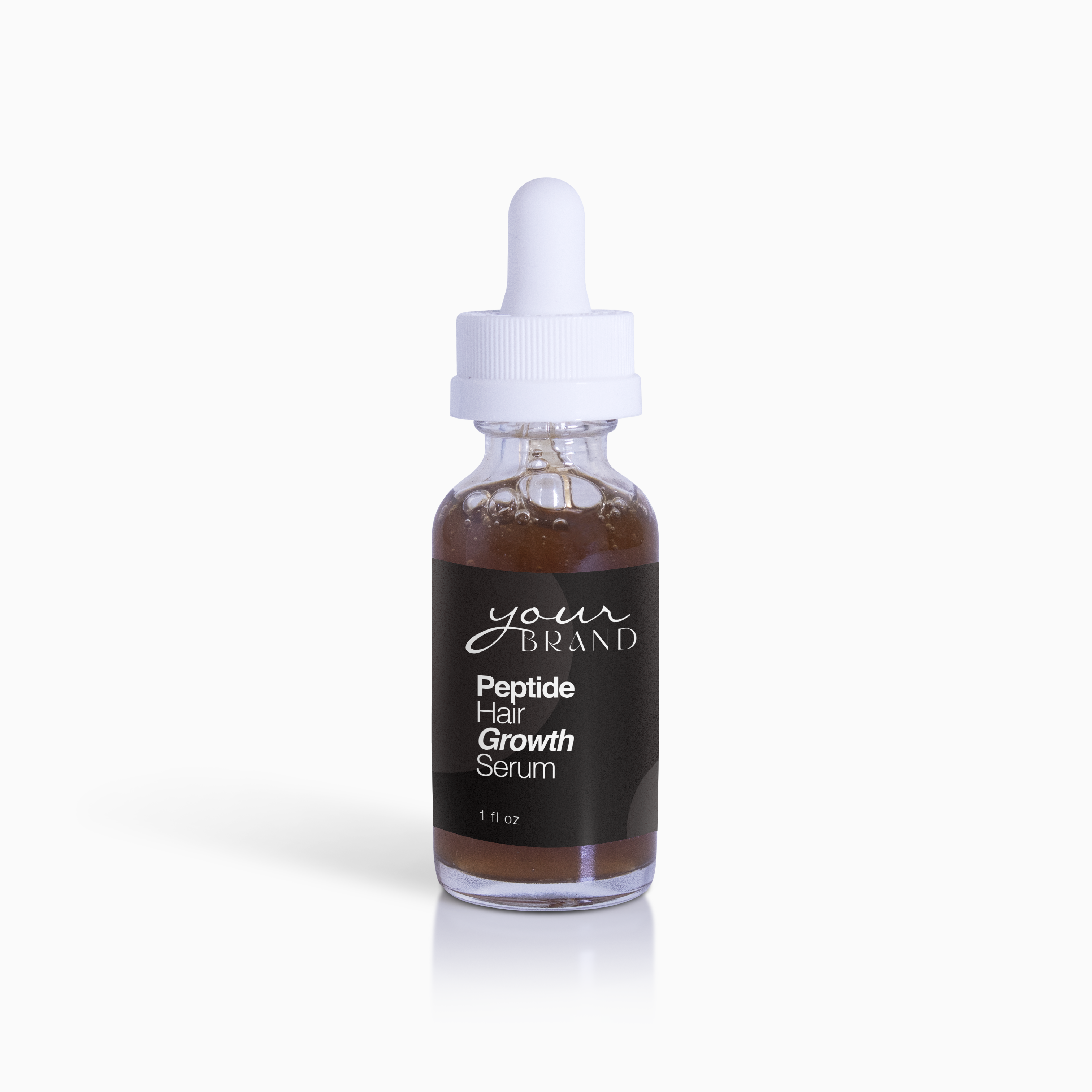

Hair density and hair strength are often discussed together, but they describe different aspects of hair health. Density refers to how many hairs grow within a particular area of the scalp, while strength relates to the ability of individual strands to resist damage and breakage.
Understanding this difference is important when evaluating products promoted for fuller-looking hair. Hair growth peptides have become a subject of interest because researchers are exploring their possible effects on biological processes associated with follicles and surrounding tissue. However, improving the condition of existing strands is not the same as increasing the number of actively growing follicles.
Hair Density: What Does It Really Mean?
Hair density is generally assessed by measuring the number of hairs within a defined scalp area. It can be influenced by genetics, age, hormonal activity and the natural hair cycle.
Some people naturally have finer or less densely distributed hair than others. A change in density may also occur when follicles gradually produce thinner strands or when increased shedding reduces the number of visible hairs.
Visual comparisons can be misleading. Lighting, hair length, styling and even the angle of a photograph can make the scalp appear more or less visible.
For meaningful assessment, consistent photographs or professional measurements are more useful than occasional visual checks.
Hair Strength and Breakage
Hair strength is affected by the structure of the hair fibre and the way it is treated. Heat styling, bleaching, colouring, chemical straightening and rough brushing can weaken strands.
Breakage can make hair appear thinner even when the number of follicles has not changed. Someone experiencing frequent snapping may notice shorter strands, uneven lengths and reduced volume.
A suitable conditioner, gentle handling and reduced exposure to damaging styling practices can help protect existing hair. These measures support the appearance and condition of strands but do not necessarily stimulate new growth.
How Peptides Are Being Investigated
Peptides are short chains of amino acids that can interact with biological systems in different ways. In hair-related research, scientists are exploring whether selected peptides influence cellular signalling, follicle activity and the structure of surrounding tissue.
Some studies have examined ingredients such as acetyl tetrapeptide-3, biotinoyl tripeptide-1 and GHK-related peptides. These ingredients are found in or discussed in connection with certain cosmetic formulations.
The possible mechanisms vary. Some research focuses on tissue-supporting pathways, while other work investigates signals involved in the hair-growth cycle.
It is important to remember that biological activity in a laboratory does not guarantee an effective treatment in everyday use. The concentration, formulation and delivery of an ingredient can all influence its performance.
Can Peptides Increase Hair Density?
This is one of the most important questions for people experiencing thinning. Certain peptide-containing formulations have been evaluated in human studies, with some research reporting improvements in hair-related measurements.
However, study findings should be interpreted cautiously. Some trials involve relatively small groups, short follow-up periods or multi-ingredient products. When several ingredients are used together, it may be difficult to identify which component contributed to the outcome.
A 2026 systematic review of clinical studies reported differing levels of evidence for several peptide formulations. This provides a reason for continued interest, but it does not establish every marketed peptide as a proven treatment for hair loss.
A product's ability to improve density should be supported by controlled human research using reliable measurements rather than testimonials alone.
Can Peptides Make Existing Hair Stronger?
Some peptide-based hair products are designed to support the scalp or improve the cosmetic condition of hair. Their formulas may also contain conditioning ingredients that make strands easier to manage.
If a product reduces friction or helps improve the feel of hair, it may contribute to a routine that reduces mechanical damage. Nevertheless, this effect should not be confused with changing the internal structure of every strand or repairing all forms of damage.
For people with brittle hair, everyday habits can be just as important as product selection. Avoiding excessive heat, limiting harsh chemical treatments and using suitable conditioning products may help maintain the appearance of stronger hair.
Other Factors That Influence Hair Growth
Peptides are only one part of a much broader picture. Hair growth can be affected by several factors, including:
Nutrition: Inadequate intake of certain nutrients may contribute to hair problems. Testing and professional advice can help determine whether a deficiency is present.
Hormonal changes: Hormonal conditions and inherited sensitivity to hormones can influence follicle behaviour.
Stress and illness: Significant physical or emotional stress can trigger temporary shedding in some people.
Scalp conditions: Inflammation, infection and certain skin disorders may affect the scalp and require targeted care.
Medication: Some medicines can contribute to shedding. Any suspected medication-related effect should be discussed with the prescribing professional rather than stopping treatment independently.
Identifying the underlying cause is often more useful than trying several products without a clear plan.
Comparing Peptide Products With Other Options
A product containing hair growth peptides should be evaluated according to its intended purpose and the evidence for its specific formulation.
For certain types of hair loss, established treatments may be more appropriate. Topical minoxidil is one example used for selected cases of pattern hair loss. It can take several months to assess a response, and ongoing use is generally needed to maintain benefits.
Other options depend on the diagnosis and may include treating an underlying medical condition, correcting a confirmed nutritional deficiency or considering specialist procedures.
No single approach works for everyone. A dermatologist can explain which options are suitable based on the pattern and cause of hair loss.
How to Assess Progress
Hair changes are gradual, so it is helpful to use a consistent method when monitoring results.
Take photographs under similar lighting, from the same angles and with similar hair positioning. Avoid drawing conclusions from daily shedding because normal hair loss can fluctuate.
Keep a record of new products and note any irritation or unwanted reactions. If a product causes persistent redness, itching or discomfort, discontinue it and seek appropriate advice.
People should also understand the difference between cosmetic improvement, reduced breakage and measurable regrowth. These are separate outcomes and may require different forms of assessment.
Safety Before Trying New Peptide Products
The term peptide covers many different substances. Safety information for one topical cosmetic ingredient cannot be used to establish the safety of an injectable or experimental compound.
Check the product's intended route of use, ingredient information, manufacturing quality and applicable regulatory status. Do not inject products or use research-only compounds for personal hair treatment without appropriate medical authorisation and professional oversight.
Researching adoniselitepeptides
Before considering adoniselitepeptides, examine the specific product information and verify its intended use. Look for clear ingredient descriptions, appropriate quality documentation and realistic statements about available evidence. If you have ongoing hair loss or are considering an experimental product, discuss the options with a qualified healthcare professional rather than relying on marketing claims.
Conclusion
Hair density and hair strength are related to different aspects of hair health. Peptides are being investigated for their possible role in follicle-related biology, while conditioning and protective routines can help reduce breakage. Current evidence varies between formulations, so realistic expectations and an accurate diagnosis remain essential when deciding how to manage thinning or damaged hair.
