

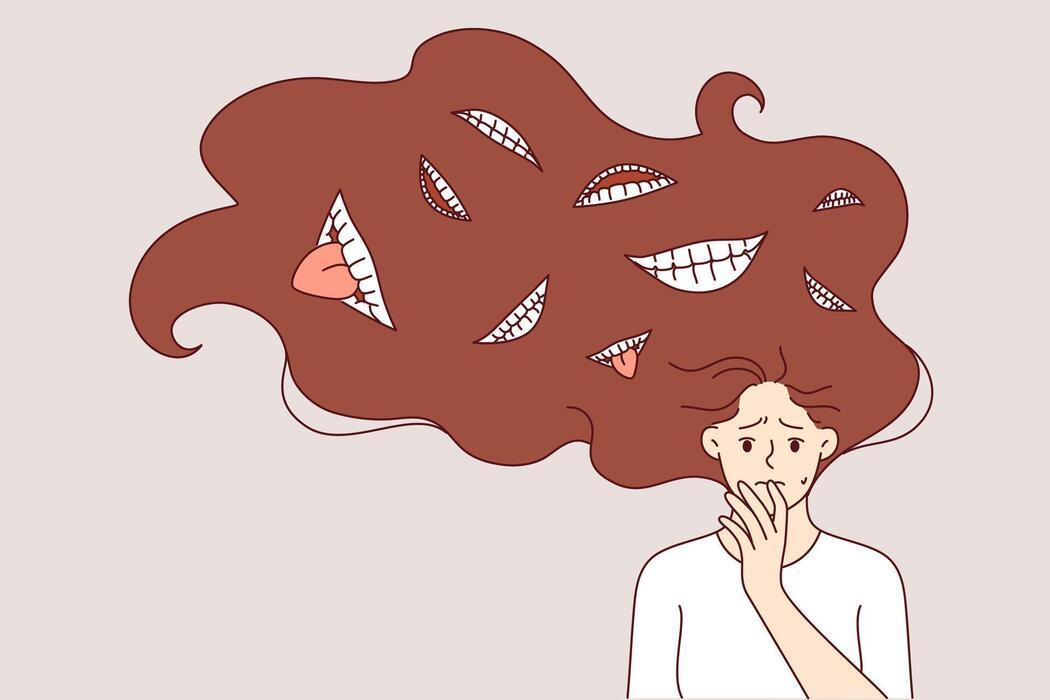
Signs of Schizophrenia, Understanding Symptoms, Types, and Effective Treatment Options

Mental health challenges can sometimes feel confusing, frightening, and isolating, especially when a person begins experiencing changes in thoughts, emotions, or behaviour.
Schizophrenia is one such mental health condition that can significantly affect how someone perceives reality, communicates, and interacts with the world. Recognising the signs of schizophrenia early can make a meaningful difference in accessing professional support and improving long-term well-being. Although the condition is often misunderstood, proper diagnosis, compassionate care, and appropriate treatment can help individuals manage symptoms and lead fulfilling lives.
What Is Schizophrenia?
Schizophrenia is a serious mental disorder that affects how a person thinks, feels, and interprets reality. It can influence perception, emotional responses, decision-making, and everyday activities. People experiencing schizophrenia may have difficulty distinguishing between what is real and what is not.
The condition does not mean someone has multiple personalities, despite this common misconception. Instead, it involves a combination of symptoms that can affect mental functioning and relationships.
The experience of schizophrenia differs from person to person. Some individuals experience noticeable symptoms, while others may have periods when symptoms become less intense. Understanding the condition without judgment is an important first step towards encouraging treatment and emotional support.
Common Signs of Schizophrenia That Should Not Be Ignored
Recognising the early warning signs can help individuals and families seek professional guidance before symptoms significantly interfere with daily life. While symptoms vary, several common changes deserve attention.
1. Hallucinations
Hearing voices, seeing things, or sensing experiences that others cannot perceive may indicate hallucinations. Auditory hallucinations, such as hearing voices without an external source, are particularly common. These experiences can create fear, confusion, and emotional distress.
2. Delusions
Delusions involve strongly held beliefs that are not supported by reality. For example, someone may believe they are being watched, followed, or targeted by others. These beliefs can feel completely real to the individual and may affect personal relationships.
3. Disorganised Thinking and Speech
Difficulty organising thoughts can make conversations challenging. A person may jump between unrelated topics, struggle to explain ideas, or provide responses that seem disconnected from the discussion.
4. Changes in Behaviour
Unusual behaviour, social withdrawal, reduced motivation, and difficulty maintaining daily routines may also occur. These changes can gradually affect work, education, friendships, and family life.
5. Reduced Emotional Expression
Some individuals experience limited facial expressions, reduced emotional responses, or difficulty showing enthusiasm. This does not necessarily mean they lack feelings; expressing emotions may simply become more difficult.
Noticing these changes in someone close can be concerning. However, experiencing one or more symptoms does not automatically mean a person has schizophrenia. A qualified mental health professional should conduct a proper assessment.
Understanding the Different Types of Schizophrenia
People often search for the different types of schizophrenia to understand how the condition presents. Historically, schizophrenia was divided into categories such as paranoid, disorganised, catatonic, residual, and undifferentiated schizophrenia.
However, modern diagnostic systems no longer recognise these as separate official subtypes because symptoms frequently overlap and change over time.
Instead, mental health professionals evaluate the specific symptoms, their severity, duration, and impact on everyday functioning. This individualised approach helps determine the most appropriate treatment and support.
Understanding these differences can reduce confusion and remind families that every person's experience deserves attention and compassionate care.
Why Early Diagnosis and Professional Support Matter
Living with untreated schizophrenia can create significant challenges. Difficulties with concentration, relationships, emotional regulation, and daily responsibilities may become increasingly overwhelming.
Early professional intervention can help identify symptoms, rule out other possible conditions, and establish an effective care plan. A psychiatric evaluation generally includes a review of medical history, mental health symptoms, behaviour, and overall functioning.
For individuals searching for a schizophrenia specialist near me, finding a qualified psychiatrist or experienced mental health professional is an important step. Professional guidance can provide clarity, reduce uncertainty, and help individuals access appropriate treatment.
Therapy for Schizophrenia: Building a Stronger Foundation
Medication plays an important role in managing schizophrenia, but psychological and supportive interventions are also valuable. Therapy for schizophrenia can help individuals develop coping strategies, improve communication, and manage everyday challenges.
Cognitive behavioural therapy (CBT) may help individuals understand distressing thoughts, respond to challenging experiences, and develop healthier coping mechanisms.
Family therapy can improve communication, reduce misunderstandings, and help relatives understand how to provide meaningful support. Psychoeducation also helps individuals and caregivers recognise symptoms, understand treatment options, and identify early signs of relapse.
Working with a qualified behavioural health therapist can provide additional emotional support and encourage positive changes in daily routines, relationships, and overall functioning.
Treatments and Therapies for Schizophrenia
Effective care often involves a combination of medical treatment, psychological support, and lifestyle adjustments. The right approach depends on symptom severity, individual needs, treatment history, and overall health.
Common treatments and therapies for schizophrenia include:
- Antipsychotic medication: These medications can help reduce symptoms such as hallucinations, delusions, and disorganised thinking. Medication selection and dosage require professional supervision.
- Cognitive behavioural therapy: CBT can support emotional regulation and help individuals manage distressing thoughts and experiences.
- Family interventions: Education and family-focused support can strengthen relationships and create a more understanding home environment.
- Psychosocial rehabilitation: These programmes help develop social skills, independence, communication, and practical life skills.
- Lifestyle support: Consistent sleep, physical activity, balanced nutrition, and avoiding recreational drugs can contribute to better overall health.
Treatment is not identical for everyone. Regular follow-ups and adjustments help ensure that care remains appropriate as needs change.
Can Mental Health Treatment Online Make Support More Accessible?
Accessing mental healthcare is not always easy. Busy schedules, geographical limitations, transportation challenges, and concerns about social stigma can prevent individuals from seeking help.
Mental health treatment online offers another way to connect with qualified professionals through virtual consultations, where available and clinically appropriate.
Online psychiatric consultations and therapy sessions can make follow-up appointments more convenient and provide additional flexibility. However, schizophrenia may require comprehensive psychiatric assessment, medication monitoring, and coordinated care. Online services should be selected according to individual clinical needs, with in-person or emergency support arranged whenever necessary.
The most important factor is receiving appropriate care from qualified professionals rather than delaying treatment because accessing traditional services feels difficult.
Breaking the Stigma Around Schizophrenia
One of the greatest challenges surrounding schizophrenia is the stigma attached to mental illness. Misunderstandings can make individuals feel embarrassed, isolated, or afraid to discuss their experiences.
Compassion, education, and open conversations can help change these perceptions. Schizophrenia is a treatable mental health condition, not a personal failure or character weakness. With appropriate care, consistent support, and professional guidance, many individuals can experience meaningful improvements in their quality of life.
For individuals or families seeking compassionate mental healthcare, Emotiva Healthcare can be a starting point for exploring professional support and appropriate treatment options. Take the first step towards better mental health by connecting with a qualified mental health professional and exploring the support available through Emotiva Healthcare.
