

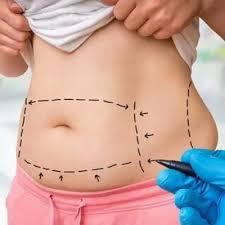
Liposuction is a body contouring procedure designed to remove localised fat deposits that may remain despite regular exercise and a balanced lifestyle. However, not every area of the body is suitable for fat removal. Identifying the right treatment areas requires careful evaluation of fat distribution, skin quality, body proportions, and individual expectations. A personalised assessment helps determine whether liposuction is an appropriate option and how it may support a more balanced body appearance.
For individuals considering Liposuction in Dubai, understanding how a clinic identifies suitable treatment areas is an important part of making an informed decision. The assessment should focus on individual anatomy rather than following a standard treatment approach.
Understanding Individual Fat Distribution
Fat is not distributed equally throughout the body. Some people experience stubborn fat around the abdomen, while others notice persistent deposits around the thighs, hips, flanks, upper arms, or back.
During an initial assessment, the practitioner examines where excess fat is concentrated and whether it is localised or distributed across several areas. This helps identify the regions that may benefit from targeted fat removal.
The evaluation also considers overall body proportions. Removing fat from one area can influence the appearance of surrounding regions, so treatment planning should consider the body's overall shape rather than focusing on a single measurement.
Evaluating Skin Elasticity and Quality
Skin quality is an important factor when identifying suitable liposuction areas. After fat removal, the skin needs sufficient elasticity to adapt to the body's new contours.
If the skin has good elasticity, it may contract more effectively after the procedure. However, loose skin, significant stretch marks, or reduced skin firmness can influence the expected outcome.
For example, someone with localised abdominal fat and firm skin may be a suitable candidate for abdominal liposuction. Someone with considerable loose abdominal skin may require a different treatment discussion.
A professional assessment helps distinguish between concerns caused primarily by excess fat and those involving skin laxity.
Assessing Different Body Areas
Liposuction can be considered for several body regions, depending on individual anatomy and medical suitability. Each area requires a different assessment because fat thickness, skin characteristics, and natural body structure vary.
Common areas evaluated include:
-
Abdomen: Assessment of localised fat around the upper and lower abdominal regions.
-
Flanks: Examination of stubborn fat around the waist and sides of the torso.
-
Thighs: Evaluation of inner or outer thigh fullness and overall leg proportions.
-
Upper arms: Assessment of localised fat deposits and skin firmness.
-
Back: Identification of fat deposits around the upper and lower back.
-
Chin and neck: Evaluation of localised fullness affecting the jawline and neck contour.
The suitability of each area depends on the patient's anatomy, health, and realistic treatment goals. Not every area requires liposuction, and some concerns may be better addressed through alternative approaches.
Distinguishing Between Fat and Other Causes of Fullness
One of the most important steps in liposuction planning is determining what causes the appearance of fullness.
Not all prominent body areas are caused by removable fat. Muscle structure, loose skin, posture, and underlying anatomical features can also influence body shape.
For example, abdominal fullness may sometimes be associated with weakened abdominal muscles, loose skin, or internal abdominal fat rather than localised fat beneath the skin. Liposuction primarily targets subcutaneous fat and does not remove visceral fat surrounding internal organs.
Understanding these differences helps prevent unrealistic expectations and supports appropriate treatment recommendations.
Considering Body Proportions and Symmetry
Body contouring should aim to create balanced proportions rather than simply remove as much fat as possible. The practitioner evaluates how different areas relate to one another and whether treating a particular region could improve overall body harmony.
For instance, reducing fat around the flanks may influence the appearance of the waist, while evaluating both thighs can help identify natural differences in volume.
Body symmetry is also important. Most individuals have some degree of natural asymmetry, and the assessment should consider these differences when planning treatment.
A personalised approach helps establish realistic goals based on the patient's natural body structure.
Reviewing Medical History and Treatment Suitability
Identifying suitable liposuction areas is not limited to physical examination. A patient's medical history also plays an important role in determining whether the procedure is appropriate.
The assessment may include:
-
Previous surgeries and medical procedures.
-
Existing health conditions and medications.
-
Previous weight changes and current weight stability.
-
Smoking habits and lifestyle factors.
-
History of healing complications.
-
Expectations regarding body contouring results.
The practitioner may also recommend additional medical assessments when necessary. These details help evaluate potential risks and determine whether treatment should proceed, be postponed, or be avoided.
Why Realistic Expectations Matter
Liposuction is designed for body contouring, not general weight reduction. It is not a substitute for a healthy lifestyle or a primary treatment for obesity.
Suitable candidates generally have localised fat deposits, a relatively stable weight, and realistic expectations about the results. Patients should understand that final contours develop gradually as swelling decreases and healing progresses.
The amount of fat removed and the areas treated depend on individual safety considerations. A responsible treatment plan prioritises health, appropriate proportions, and achievable outcomes over dramatic changes.
How Tajmeels Clinic Identifies Suitable Liposuction Areas
At tajmeels clinic dubai, liposuction planning focuses on individual body characteristics and treatment suitability. The assessment considers fat distribution, skin elasticity, body proportions, medical history, and personal aesthetic concerns.
Rather than recommending the same treatment areas for everyone, the clinic-based evaluation helps identify which regions may benefit from targeted fat removal. Patients can discuss their concerns, understand the available treatment approaches, and receive guidance based on their individual assessment.
This personalised process also helps clarify the limitations of liposuction and whether another procedure may be more appropriate for specific concerns. The objective is to develop a medically appropriate plan that supports balanced body contouring while maintaining realistic expectations.
Conclusion
Identifying suitable areas for liposuction requires more than locating stubborn fat deposits. Skin quality, body proportions, medical history, anatomical differences, and personal goals all contribute to treatment planning. A thorough professional assessment helps determine whether liposuction is appropriate and which areas may benefit from the procedure. Choosing an individualised approach supports informed decisions and more realistic body contouring expectations.
More Information
Tajmeels Clinic Dubai
WhatsApp: +971 56 203 8751
Phone: tel:+971 43739000
Social Media:
