

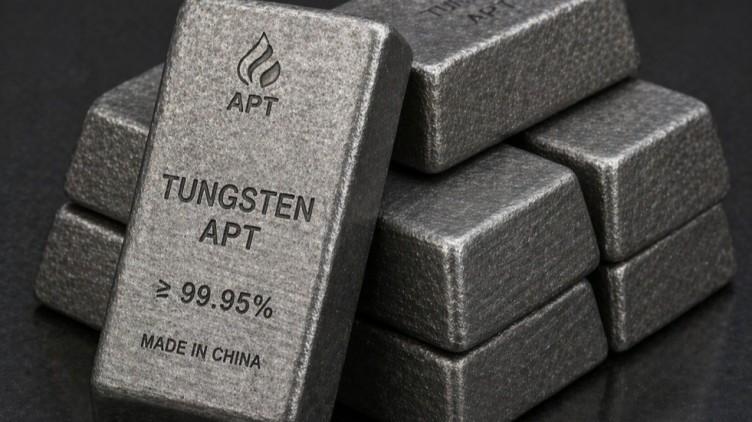
Tungsten APT Price Trend Q3 2026 | Price Trends, Forecast, Chart, Prices and Index

The Tungsten APT Price Trend in Q3 2026 showed different movements across major markets, with China experiencing a significant decline while the Netherlands recorded a modest increase.
Changes in downstream demand, raw material availability, and international trade restrictions played an important role in shaping market conditions.
Tungsten APT (Ammonium Paratungstate) is an important intermediate material used in the production of tungsten metal, tungsten carbide, and other tungsten-based products. Its prices are closely connected to demand from the metalworking, mining, automotive, construction, and industrial manufacturing sectors.
During the quarter, weaker demand from the carbide industry affected purchasing activity in China. Several converters reduced their procurement requirements and focused on clearing existing inventories rather than placing fresh orders.
This created additional selling pressure and resulted in lower market prices. In contrast, the Netherlands experienced some support from tighter secondary raw material availability, which increased replacement cost concerns among Western processors.
The Tungsten APT Price Chart reflected this difference between the two markets. Chinese prices declined during most of the quarter before recovering partially in September, while Dutch prices strengthened through mid-quarter and corrected toward the end of the period.
The Tungsten APT Price Index also highlighted these different market conditions, showing how regional supply and demand factors influenced pricing.
Key Factors Influencing Tungsten APT Prices
Tungsten APT Prices are influenced by several factors, including tungsten concentrate availability, production costs, downstream consumption, and international trade policies. Since Tungsten APT is an intermediate product, its market performance is closely connected to the conditions of the wider tungsten industry.
One of the main factors during Q3 2026 was the slowdown in demand from tungsten carbide manufacturers. Tungsten carbide is widely used in cutting tools, drilling equipment, mining machinery, and industrial components. When demand from these industries becomes weaker, manufacturers often reduce their production schedules and purchase fewer raw materials. This directly affects demand for Tungsten APT.
Inventory management also played an important role. When companies hold sufficient material in their warehouses, they generally avoid making additional purchases unless prices become attractive. This reduces immediate buying interest and can put pressure on supplier offers.
Another important factor was the availability of secondary raw materials. Recycling tungsten-bearing scrap helps processors manage their feedstock requirements. Any restrictions affecting the movement of these materials can increase procurement costs and influence regional price differences.
China: Tungsten APT Export Prices FOB Shanghai, China; Grade: 88.5% Minimum
The Tungsten APT Price Trend in China recorded a decline of 12.12% in Q3 2026 compared to the previous quarter. The main reason behind this downward movement was weak demand from the tungsten carbide sector. Manufacturers and converters reduced their purchasing activity as downstream orders remained limited throughout the summer months.
The carbide industry is an important consumer of Tungsten APT. When orders for cutting tools, drilling products, and other industrial components become slower, manufacturers tend to adjust their production levels. This reduces the need for fresh raw material purchases and creates pressure on the intermediate tungsten market.
During the quarter, Chinese converters focused more on reducing existing inventories than purchasing additional material.
This aggressive destocking activity affected market confidence and encouraged suppliers to lower their offers to attract buyers. With fewer fresh orders entering the market, sellers faced greater competition to secure business.
The availability of tungsten concentrate also contributed to the price decline. Sufficient raw material availability reduced production cost pressure and limited the support that suppliers could receive from the upstream market. As a result, weaker downstream demand had a stronger influence on price movements.
International trade developments added another layer of uncertainty. Restrictions on US exports of tungsten-bearing scrap and battery black mass, effective August 27, attracted attention from Western processors.
However, these developments did not provide enough support to overcome the weakness in Chinese carbide demand.
In September 2026, Tungsten APT Prices in China increased by 4.65% compared to August. This recovery was mainly supported by bargain hunting, as some buyers considered the lower market levels suitable for fresh procurement. The improvement in purchasing interest helped suppliers increase their offers.
However, the September recovery was not sufficient to reverse the overall quarterly decline. The Chinese market finished Q3 2026 on a negative note, reflecting weak carbide demand, inventory reduction, and comfortable concentrate availability.
The Tungsten APT Price Chart for China therefore showed a sharp downward movement followed by a partial recovery toward the end of the quarter.
Netherlands: Tungsten APT Domestic Prices Ex-Warehouse Rotterdam, Netherlands; Grade: 88.5% Minimum
The Tungsten APT Price Trend in the Netherlands recorded an increase of 1.91% in Q3 2026 compared to the previous quarter. Unlike China, the Dutch market received some support from tightening secondary feedstock availability and concerns about replacement costs among Western processors.
An important development during the quarter was the restriction on US exports of tungsten-bearing scrap and battery black mass, which became effective on August 27. These materials are relevant to the secondary raw material supply chain. Reduced availability can make it more difficult for processors to secure alternative feedstock at competitive prices.
As a result, Western converters became more cautious about their future raw material requirements. Concerns about replacement costs encouraged suppliers to maintain relatively firm offers during the middle part of the quarter.
Demand from European tungsten carbide manufacturers, however, remained measured. Buyers continued to assess their inventory positions and avoided unnecessary purchases while downstream orders remained limited. This restricted the potential for a stronger price increase.
Despite moderate consumption, supply-side concerns helped support the market. Processors considered the possibility of higher procurement expenses if secondary material availability remained restricted. This allowed Tungsten APT suppliers to maintain comparatively firm pricing during the earlier part of the quarter.
In September 2026, Tungsten APT Prices in the Netherlands declined by 5.47% compared to August. The correction followed the earlier improvement as weak downstream orders reduced buying interest. Some buyers continued to postpone fresh purchases, while suppliers adjusted their offers to reflect the softer market environment.
Even with the September decline, the Netherlands recorded a positive quarterly movement of 1.91%. This indicated that earlier supply-side support was sufficient to offset the late-quarter correction.
The Tungsten APT Price Chart for the Netherlands reflected this pattern, with moderate gains through mid-quarter followed by a decline in September.
Tungsten APT Price Chart and Price Index Analysis
The Tungsten APT Price Chart for Q3 2026 highlighted the difference between the Chinese and Dutch markets. While both regions were influenced by downstream demand and raw material availability, their pricing movements were shaped by different supply conditions.
China experienced a significant decline because carbide manufacturers reduced purchases and converters focused on clearing inventories. The availability of concentrate further limited upward cost pressure. September bargain hunting provided some relief, but the overall market remained weaker.
The Netherlands followed a different pattern. Concerns about secondary feedstock availability supported prices during the middle of the quarter. However, the decline in September showed that supply-side support alone could not fully protect the market from weaker downstream demand.
The Tungsten APT Price Index provides a useful way to understand these regional movements. It reflects the combined influence of procurement activity, supplier offers, production expenses, and changes in material availability.
For manufacturers and procurement teams, reviewing the Price Chart and Price Index together can help identify changes in market direction. These indicators also provide useful historical context when evaluating purchasing decisions and comparing regional price developments.
Tungsten APT Price Forecast and Market Outlook
The Tungsten APT Price Forecast will largely depend on the recovery of downstream tungsten carbide demand, concentrate availability, and developments in international trade. If industrial manufacturers increase their production requirements, demand for Tungsten APT may improve as converters begin replenishing their inventories.
In China, the recovery in September purchasing activity could provide some support if buyers continue placing fresh orders. However, a sustained improvement will depend on stronger demand from carbide manufacturers and a reduction in excess inventories. Comfortable concentrate availability may continue to limit production cost pressure.
In the Netherlands, secondary feedstock availability will remain an important factor. Any further restrictions or supply disruptions could increase replacement costs for Western processors. At the same time, weak European carbide orders may limit the extent of potential price increases.
Recycling activity will also influence future market conditions. Tungsten-bearing scrap provides an important source of secondary material, helping processors manage their dependence on primary raw materials. Changes in international scrap movements can therefore affect regional supply balances.
Another factor to watch is the performance of industrial manufacturing. Demand from mining equipment, cutting tools, automotive components, and construction machinery can influence tungsten carbide consumption. Improvements in these sectors may gradually support demand for Tungsten APT.
Overall, the Tungsten APT Price Trend is expected to remain sensitive to changes in industrial demand and raw material availability. The contrasting performance of China and the Netherlands during Q3 2026 demonstrates how regional supply conditions can create different pricing outcomes even when both markets are connected to the same international tungsten industry.
👉 👉 👉 Please submit your query to get Tungsten Apt Price Trend, forecast and market price analysis: https://www.price-watch.ai/book-a-demo/
About Price Watch™
Price Watch™ is an India-based, independent raw material price reporting agency that provides real-time price forecasts and data-driven insights into global raw material markets. Price Watch™ specializes in tracking raw material prices, analyzing market trends, and delivering timely updates on plant shutdowns, supply disruptions, capacity expansions, and demand-supply dynamics. The Price Watch™ platform empowers manufacturers, traders, and procurement professionals to make faster, smarter decisions. Leveraging AI-powered forecasting and over a decade of historical data, Price Watch™ transforms market volatility into actionable opportunity.
Futura Tech Park,
C Block, 8th floor 334,
Old Mahabalipuram Road,
Sholinganallur, Chennai,
Tamil Nadu, Pincode - 600119.
LinkedIn: https://www.linkedin.com/company/price-watch-ai/
Facebook: https://www.facebook.com/people/Price-Watch/61568490385598/
Twitter: https://x.com/pricewatchai
Website: https://www.price-watch.ai/
